Salvador Metro Automates Bicycle Parking Access Via New App
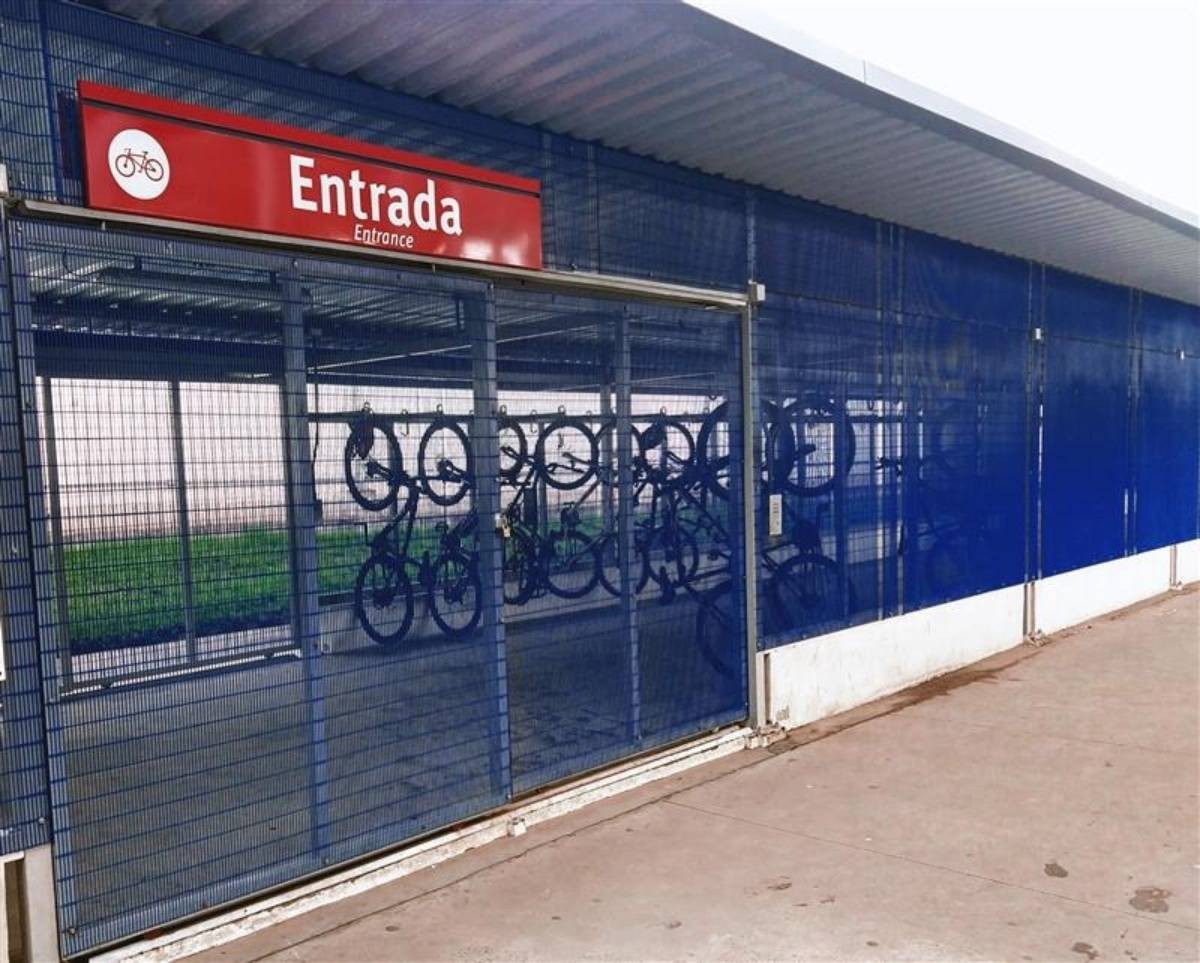
The Salvador Metro system in Bahia, Brazil, has automated access to its bicycle parking facilities, known as bicicletários, through a new mobile application called "Bicicletário Motiva." This service, launched on Wednesday, May 29th, aims to provide a more practical and autonomous experience for metro passengers who use bicycles for part of their commute. The app is available for free on both Android and iOS devices.
The automated access is being implemented at seven locations within the metro system: Aeroporto, Mussurunga, Pituaçu, Imbuí, Pirajá, and Pernambués stations, as well as the Aeroporto Terminal. The service is free and exclusively for registered metro passengers. Initially, users must visit an Operational Support Service (SSO) at a station with a bicicletário to validate their registration and receive a bicycle identification device. Subsequently, access is granted by generating a QR Code within the app and scanning it at the bicicletário entrance. The facilities operate daily from 5 AM to midnight.
The service accommodates conventional two-wheeled bicycles and electric bicycles, but prohibits those with combustion engines. Each user's CPF (Brazilian individual taxpayer registry number) can register only one bicycle. Users must be over 18 years old or accompanied by a guardian if younger. The Salvador Metro emphasizes that this initiative encourages sustainable mobility and the integration of different transportation methods, aligning with broader goals for public transport development in Salvador.
The Salvador Metro's implementation of app-based access to bicycle parking represents a strategic move to enhance user convenience and promote multimodal transportation. By leveraging digital technology, the metro system aims to streamline the user experience, potentially increasing ridership and reducing reliance on single-occupancy vehicles. This initiative aligns with global trends in smart city development and sustainable urban mobility, encouraging the integration of cycling with public transit. The system's design, requiring initial in-person validation, balances technological advancement with security and user verification. Future considerations might involve further integration with broader transit payment systems and data analytics to optimize facility usage and urban planning, reinforcing the long-term vision of interconnected, eco-friendly urban transit.
AI-generated to prompt reflection — not editorial opinion, not advice, not a statement of fact. How this works.