Salvador Metro Hosts Fatherhood Recognition Event with DNA Tests and Civil Services
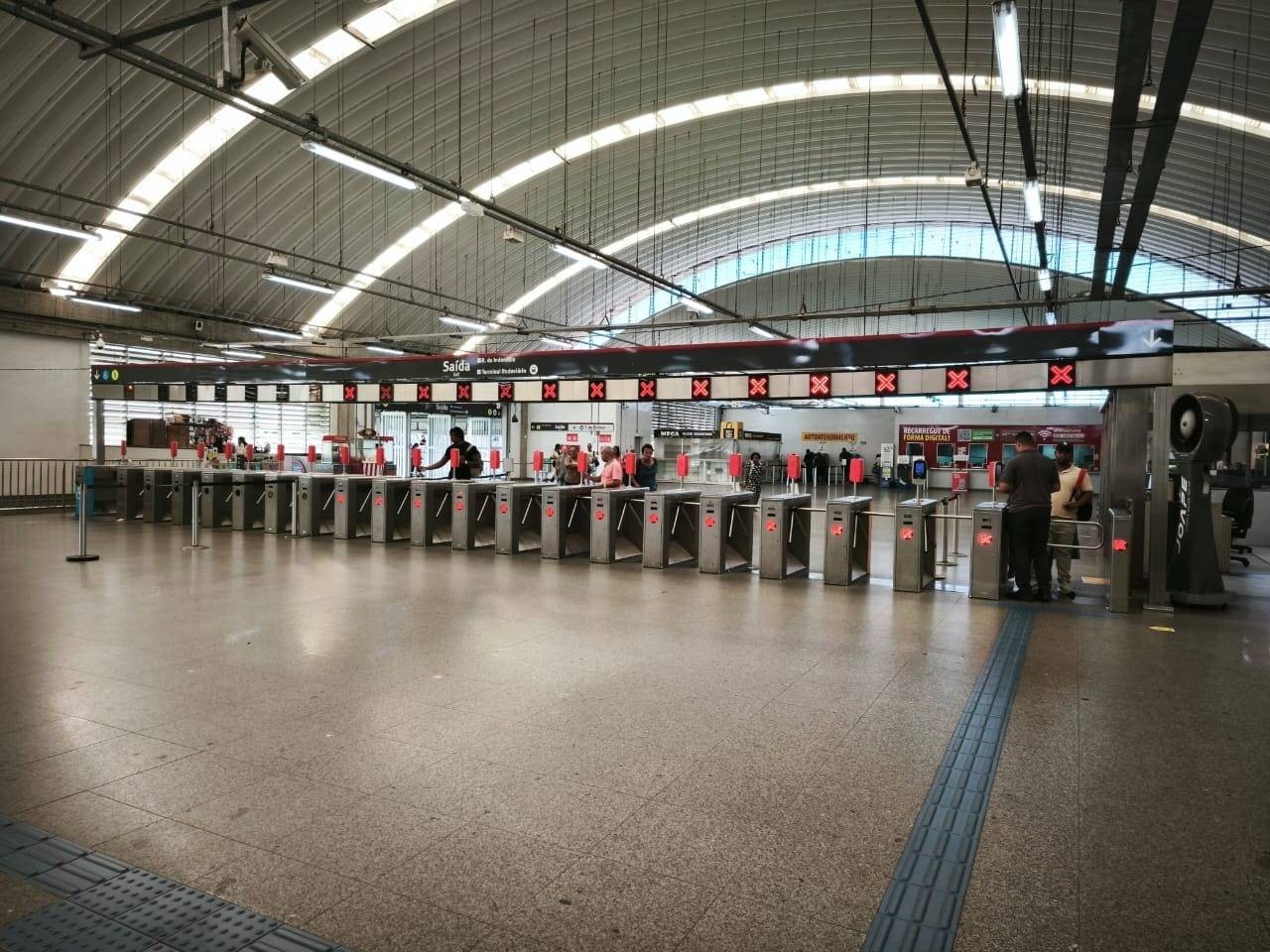
Metrô Bahia is organizing a citizenship event at the Pirajá Station in Salvador on Wednesday, the 5th, and Thursday, the 6th, from 8 AM to 4 PM. The event will offer free services including paternity recognition, DNA testing, and civil registry regularization. Held in the week leading up to Father's Day, the initiative aims to improve public access to fundamental rights and essential services. Services will be provided through the "Paternidade Responsável" (Responsible Fatherhood) and "Viver com Cidadania" (Living with Citizenship) projects. Participants need to present their RG (official ID) and CPF (taxpayer ID). For the "Paternidade Responsável" project, the child's or adolescent's birth certificate is also required. For "Viver com Cidadania," original or copied birth, marriage, or death certificates are necessary. The "Viver com Cidadania" project focuses on addressing the under-registration of births, enabling basic documentation and enhancing access to rights and public policies. Coordinated by the Ministry Public of Bahia's Center for Operational Support to Civil Prosecutor's Offices and Foundations (Caocif), the event encourages spontaneous paternity recognition. Between 2023 and 2025, over 12,000 children in Bahia were registered without their father's name on their birth certificates. The Pirajá Station was chosen based on a Caocif survey of 20 schools in the Pirajá, Campinas de Pirajá, and Castelo Branco neighborhoods, which identified 315 children without recognized paternity. The event will accommodate both pre-scheduled appointments and walk-in attendees.
This initiative highlights the persistent challenge of civil under-registration and the importance of paternal recognition in Brazil, particularly in regions like Bahia. By leveraging public transportation hubs and coinciding with Father's Day, Metrô Bahia and the Ministry Public of Bahia are strategically increasing accessibility to vital legal and social services. The data revealing over 12,000 children registered without paternal names in Bahia between 2023 and 2025 underscores a systemic issue that impacts children's rights and access to social benefits. The choice of Pirajá, based on local school surveys, demonstrates a data-driven approach to target areas with a demonstrated need. Such community-focused outreach, while commendable, raises questions about scalability and the long-term structural mechanisms required to ensure all citizens, especially vulnerable children, have their identities and rights fully recognized from birth. Future efforts could explore integrating these services more permanently into public administrative processes or leveraging digital platforms to reach a broader population, addressing the root causes of under-registration.
AI-generated to prompt reflection — not editorial opinion, not advice, not a statement of fact. How this works.
