Salvador Officials Detached Amidst R$38 Million Corruption Probe
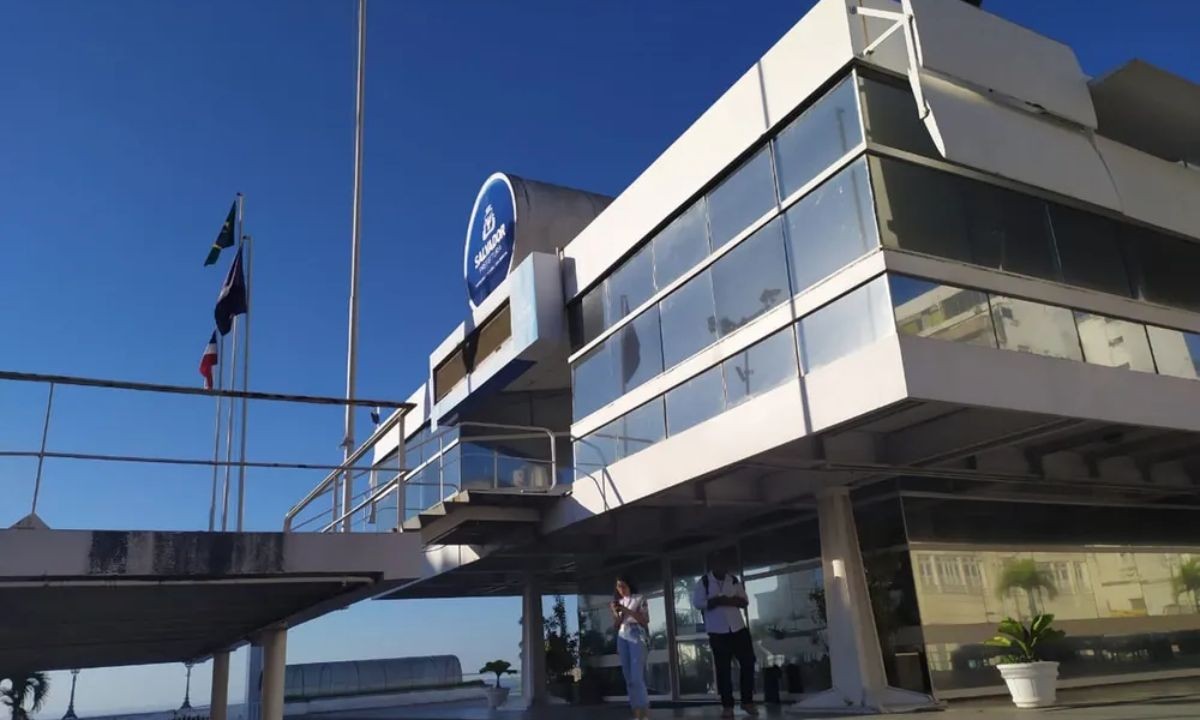
A significant corruption investigation in Salvador, Brazil, has led to the removal of a municipal secretary and a city councilor from their posts. The operation, conducted by the Special Action Group to Combat Organized Crime (Gaeco) of the Bahia Public Prosecutor's Office (MP-BA), targets an alleged criminal organization suspected of defrauding public funds by over R$38 million. Investigations suggest this group has been operating within the Salvador municipal government for a decade, specifically within the Municipal Secretariat for City Maintenance (Seman) and the Urban Development Company of Salvador (Desal). The alleged crimes include bid rigging, bid manipulation, and overpricing of contracts.
According to the MP-BA, 19 individuals and five legal entities are under investigation. The primary suspects identified are Seman Secretary Luciano Sandes and councilor George Carlos Reis Pereira, known as Gordinho da Favela (PP). While the MP-BA requested preventive detention for these and four other individuals, the court did not grant these requests. Instead, the suspects are prohibited from contacting each other during the investigation. Search and seizure warrants were executed at various locations, including business offices and properties, with a freeze placed on assets totaling R$38,321,127.95, corresponding to the suspected financial loss.
The group is accused of manipulating public tenders, directing contracts, overcharging for services, and concealing municipal fund movements. The Salvador City Hall has pledged full cooperation with the judicial determination and will initiate administrative procedures to assess any financial losses. Councilor Gordinho da Favela stated he was unaware of the investigation's specifics and affirmed his commitment to clarifying his actions, expressing confidence in demonstrating the legality of his conduct. Efforts to reach former Secretary Luciano Sandes' defense were unsuccessful at the time of reporting.
This investigation into alleged bid rigging and embezzlement in Salvador highlights systemic vulnerabilities in public procurement processes. The scale of the suspected financial misconduct, exceeding R$38 million, suggests potential weaknesses in oversight mechanisms and internal controls within municipal departments. Future governance reforms could focus on enhancing transparency in tender processes, implementing robust auditing protocols, and strengthening whistleblower protections to deter such activities. Examining the decade-long alleged operation also prompts consideration of how prolonged periods of potential malfeasance can occur and what early warning systems might be improved to detect and address such patterns before significant financial damage is inflicted on public resources.
AI-generated to prompt reflection — not editorial opinion, not advice, not a statement of fact. How this works.