Salvador Port Seizes One Ton of Cocaine, Nine Suspects Arrested
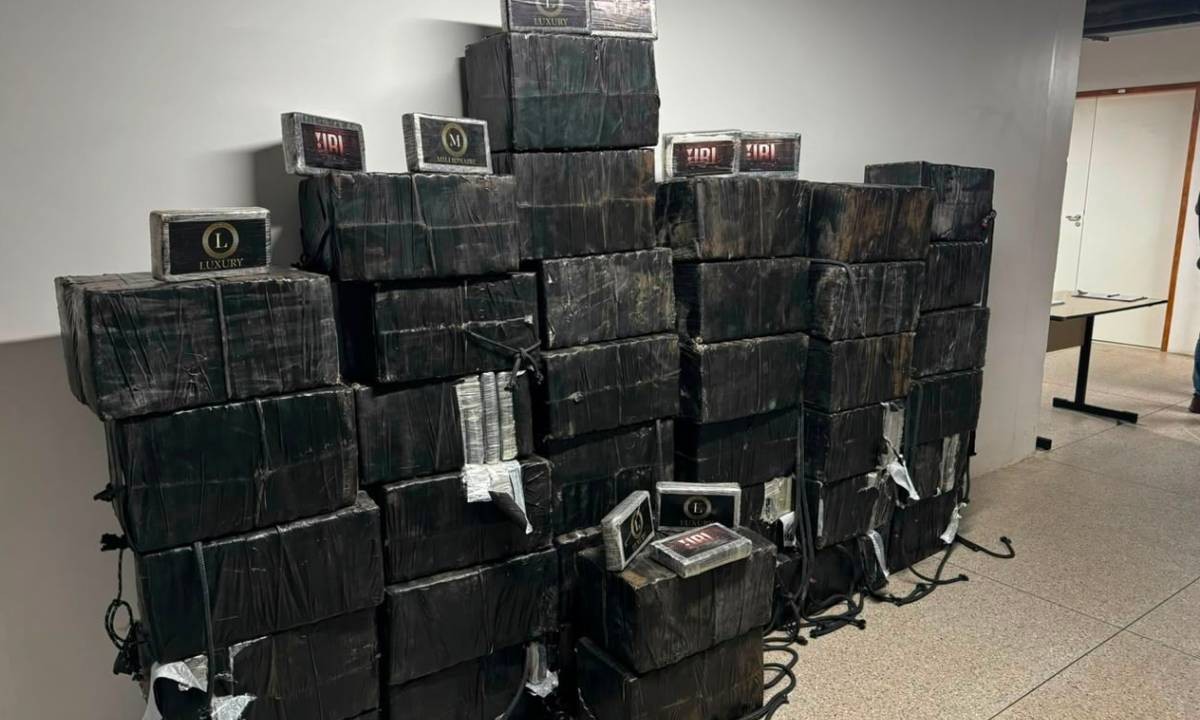
Authorities in Salvador, Bahia, have arrested nine suspects and seized approximately one ton of cocaine at the city's port. The operation, which took place in the Comércio neighborhood early Sunday, May 2nd, was conducted by the Secretariat of Public Security of Bahia (SSP-BA). Preliminary investigations suggest the seized cocaine was intended for shipment to European countries. The group, reportedly wearing hoods, utilized a semi-trailer truck to transport the drugs to the port and were apprehended while transferring the illicit cargo. The arrested individuals have been transferred to the prison system and are awaiting judicial proceedings. This seizure is part of a larger effort against organized crime in Bahia, with the SSP-BA reporting a total of 13 tons of drugs confiscated in the state this year alone. The SSP-BA has been actively engaged in combating drug trafficking, with other recent operations in Camaçari and Salvador resulting in significant drug seizures and arrests, including law enforcement officers and students.
This significant drug seizure at the Port of Salvador highlights the persistent challenges in interdicting international drug trafficking routes originating from South America. The operation's success underscores the effectiveness of intelligence-led interdiction efforts by the Bahia State Public Security Secretariat. However, the sheer volume of drugs seized, both in this instance and cumulatively this year, indicates the scale of the organized crime networks operating within the region. Future strategies will likely need to focus on disrupting the financial and logistical infrastructure supporting these networks, beyond mere interdiction, to address the root causes of drug flow into global markets. The involvement of a semi-trailer truck suggests sophisticated logistical capabilities, pointing to a need for enhanced port security and supply chain monitoring technologies.
AI-generated to prompt reflection — not editorial opinion, not advice, not a statement of fact. How this works.