Salvador Project Offers Free Open Water Swimming Lessons to Vulnerable Residents
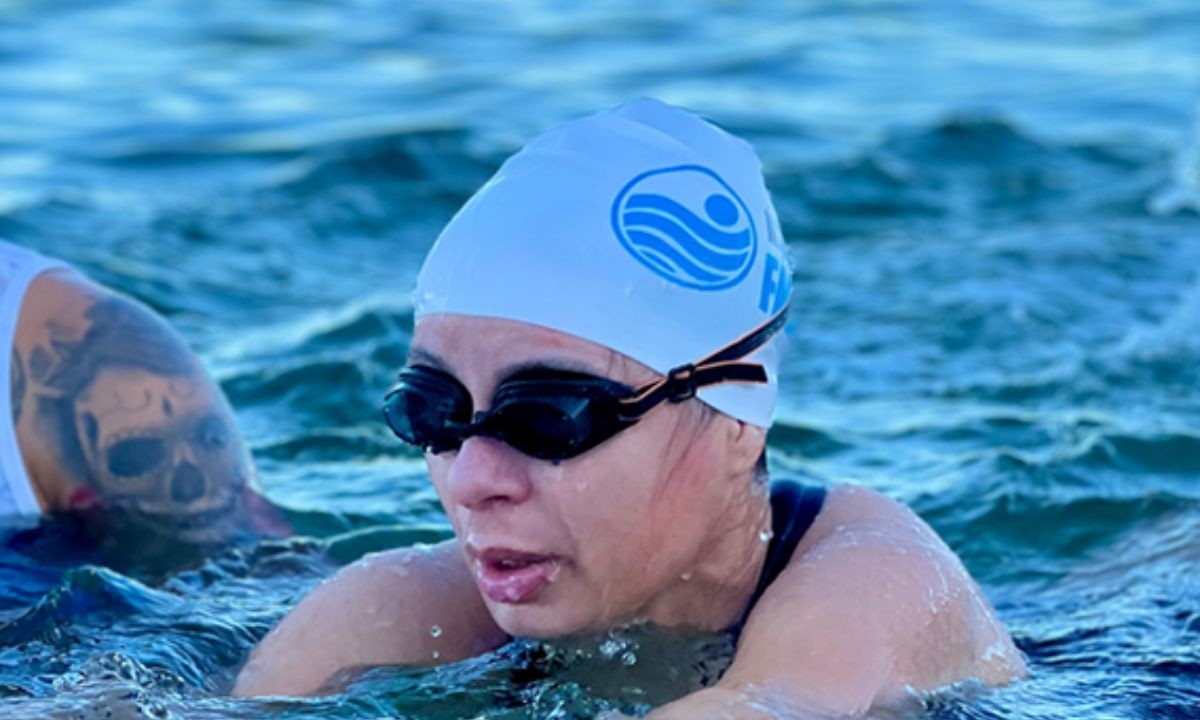
The "Natação para Todos" (Swimming for All) social project in Salvador, Brazil, has opened registration for a new cohort of free open water swimming classes. The initiative aims to provide 30 spots for individuals experiencing social vulnerability, with the goal of fostering citizenship, health, self-esteem, and water safety. Classes will take place over three months at Praia do Porto da Barra, a popular tourist spot in Salvador, and will include both practical and theoretical instruction. The project typically sees high demand, with an average of 1,500 applicants per session. Selected participants will receive full tuition waivers and complimentary swimming goggles, caps, project t-shirts, and support equipment. The teaching team comprises physical education professionals, lifeguards, and open water swimming athletes. Beyond swimming techniques, the curriculum covers safety and accident prevention, including basic and advanced open water skills, safe flotation, recognizing marine hazards like currents and tides, basic rescue techniques, post-rescue first aid, overcoming fear of the sea, and environmental education. The organizers intend to broaden access to sports, empower participants with marine autonomy and safety, and promote healthy lifestyles and social interaction.
This initiative addresses a critical need for accessible recreational and safety education in coastal communities, particularly for vulnerable populations. By offering free open water swimming lessons, the project directly tackles potential barriers to participation, such as cost and lack of specialized instruction. The comprehensive curriculum, encompassing technical skills, safety protocols, and environmental awareness, aims to equip participants with valuable life skills. In the context of increasing climate-related risks and the growing importance of water safety, such programs contribute to individual resilience and community well-being. Future considerations might involve scaling the model to other coastal cities and exploring partnerships to ensure long-term sustainability and broader reach, thereby maximizing the positive societal impact.
AI-generated to prompt reflection — not editorial opinion, not advice, not a statement of fact. How this works.