Salvador's Urban Development Plan Review Delayed to March 2027
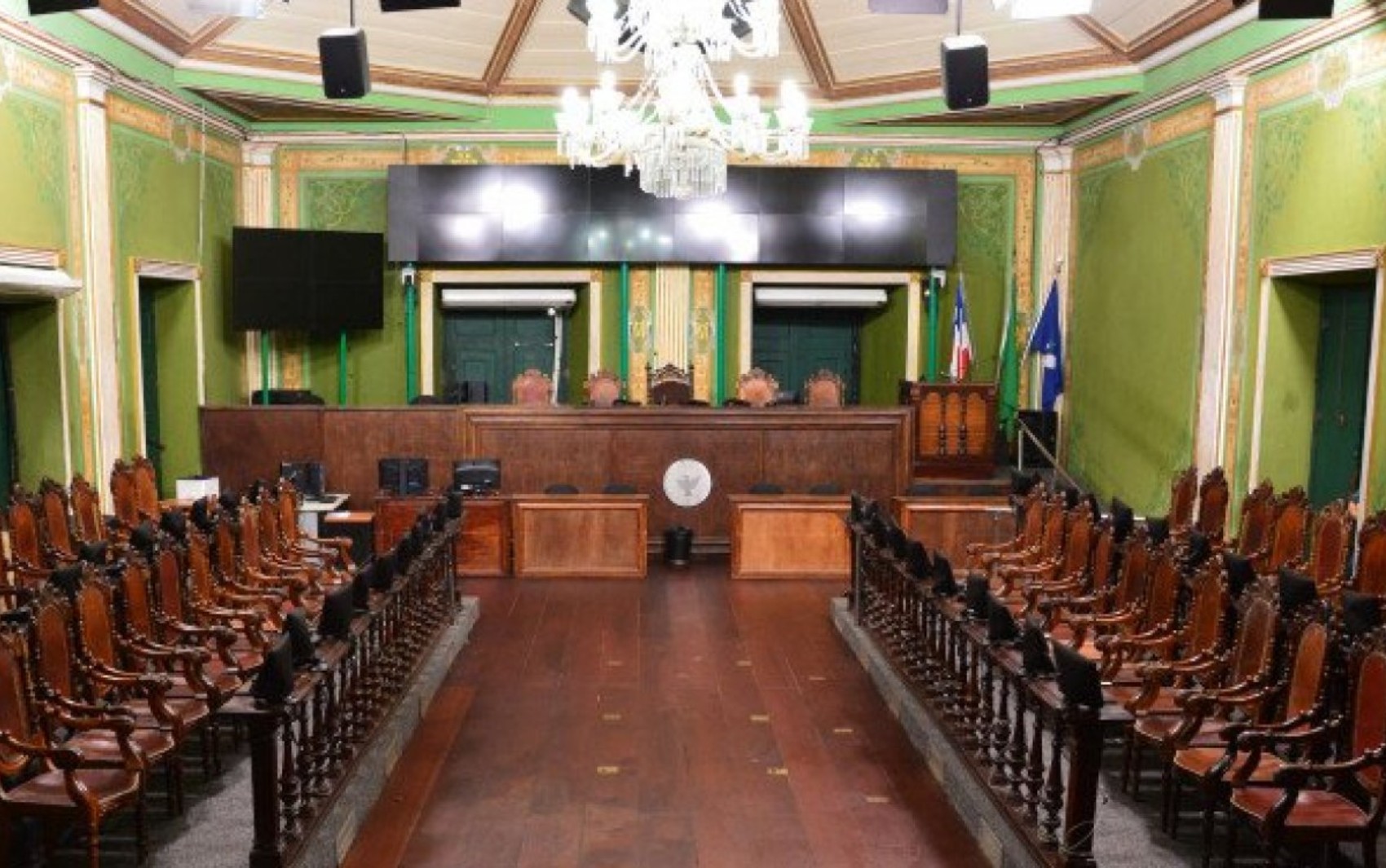
The technical studies for the revision of Salvador's Master Urban Development Plan (PDDU) and Land Use and Occupation Law (Louos) have been postponed until March 9, 2027. This marks an eight-month extension from the original July deadline. The delay was requested by the Getulio Vargas Foundation (FGV), the entity contracted for R$3.6 million to conduct these studies. The municipal government stated that the contract value and scope remain unchanged. Following the completion of the studies, the revised plan will be submitted to the Salvador City Council for discussion, public hearings, and a final vote. Council President Carlos Muniz assured that the extended timeline would not hinder the legislative process, emphasizing the importance of thorough deliberation for a plan that impacts all residents. The PDDU, last updated in 2016, guides urban growth, development projects, conservation areas, and public policies on mobility, housing, and infrastructure, with a mandatory eight-year review cycle. Despite the study delay, the legal framework for the revision will be sent to the council by December. The Municipal Secretariat for Urban Development (Sedur) indicated the extension is necessary for deeper technical analysis. FGV declined to comment on the revision process due to contractual confidentiality, directing inquiries to Sedur. The Public Prosecutor's Office of Bahia (MP-BA) advocates for transparency and broad societal participation in the PDDU revision. Sedur had not responded to inquiries regarding the MP-BA's stance, public engagement, and study update status at the time of reporting.
The postponement of Salvador's urban development plan revision, attributed to the need for deeper technical studies by the contracted FGV, highlights common challenges in municipal planning. The extended timeline, while framed as ensuring thoroughness, raises questions about initial project scoping and resource allocation. The R$3.6 million contract value remaining unchanged suggests that the delay is primarily an issue of execution rather than additional cost. The Public Prosecutor's Office's emphasis on transparency and public participation underscores the inherent tension between technocratic planning processes and democratic governance, particularly for a plan that significantly shapes a city's future. Moving forward, establishing clearer performance metrics and communication protocols between the municipality, contracted consultants, and the public could mitigate future delays and enhance accountability in urban planning initiatives.
AI-generated to prompt reflection — not editorial opinion, not advice, not a statement of fact. How this works.
