Salvador Taxi Annual Inspections Begin with New Flexible Scheduling
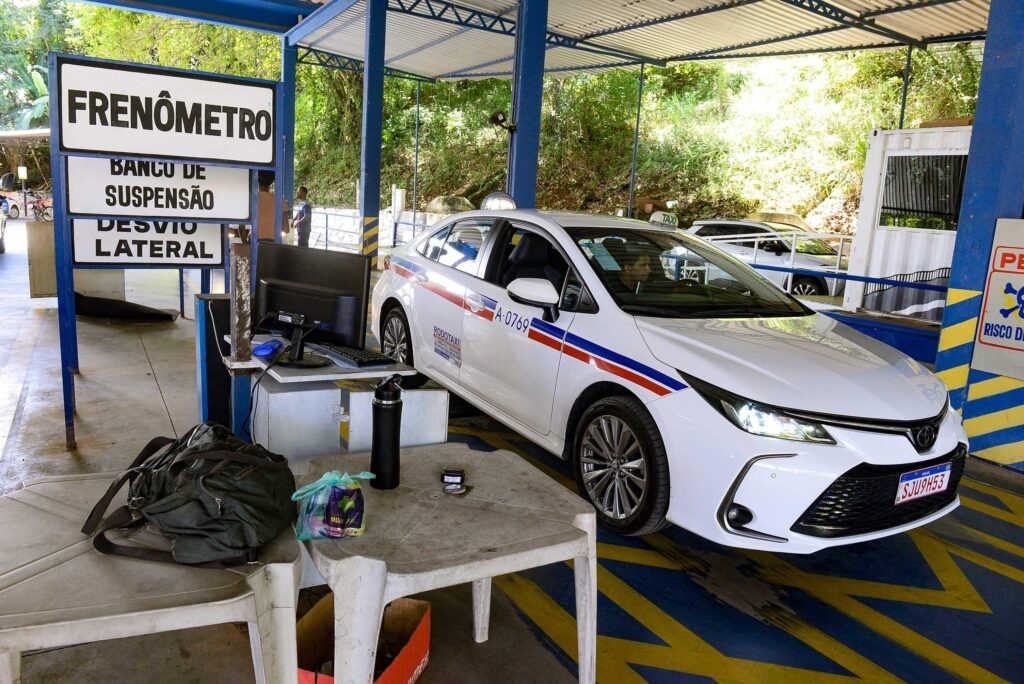
The mandatory annual inspection for all taxis in Salvador, Brazil, commenced on Monday, August 6th, and will continue until September 30th. This year, the Municipal Secretariat of Mobility (Semob) has eliminated the previous calendar system, which assigned specific dates based on taxi license plate numbers. Instead, taxi permit holders with valid operating licenses can now schedule their inspections at any time within the designated period. To initiate the process, permit holders must submit a request through the Salvador Digital platform. Upon approval, they will receive authorization to proceed to one of the Semob-accredited Technical Licensed Institutions (ITLs) for the vehicle inspection. Successful completion of this inspection is crucial for renewing the annual circulation permit for both standard and special taxis. Semob aims for this change to offer greater flexibility and reduce congestion during the inspection period. Required documents for the inspection include the circulation permit, vehicle registration document (CRLV), and identification card. The secretariat advises permit holders to schedule their inspections early to avoid last-minute rushes and ensure continuous service regularity. Several ITLs are available across Salvador, including FIT, Inspeserv, Avaliar Inspeções, Normative Inspeção, Bahia Inspeção, and FIT – Porto Seco Pirajá.
The shift in Salvador's taxi inspection process from a rigid, calendar-based system to a flexible, self-scheduled model reflects a broader trend towards enhancing administrative efficiency and user convenience. By removing the arbitrary constraint of specific dates, authorities aim to empower permit holders, potentially leading to better resource allocation within the inspection facilities and a more predictable compliance rate. This move could also signal a move towards digital-first service delivery, reducing bureaucratic friction. The success of this reform will hinge on the platform's reliability and the capacity of the ITLs to handle demand, preventing a potential bottleneck at the end of the deadline. Future iterations might explore dynamic scheduling algorithms or integration with real-time traffic data to further optimize the process.
AI-generated to prompt reflection — not editorial opinion, not advice, not a statement of fact. How this works.