Salvador to Launch Women-Only Bus Lines for 2027 Women's World Cup
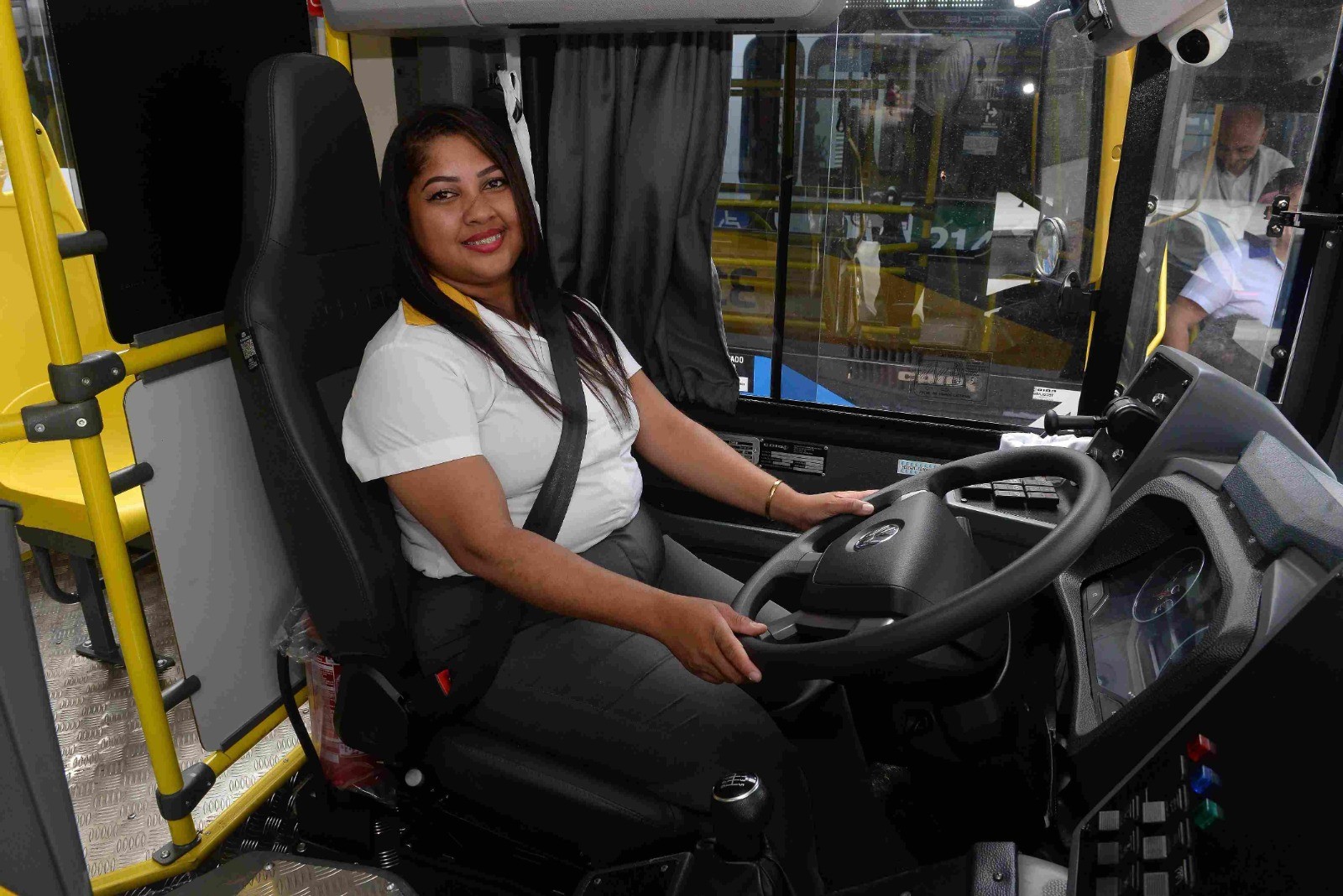
Salvador, Brazil, will introduce express bus routes operated exclusively by women during the 2027 FIFA Women's World Cup. This initiative, spearheaded by the Municipal Secretariat of Mobility (Semob), is part of a broader municipal policy to promote gender equity in public transportation. The program builds upon existing efforts like 'Mulheres no Volante' (Women at the Wheel) and the 'Escolinha Direção Feminina' (Women's Driving School), which aim to increase female participation in the city's mobility sector. These special lines will transport fans to the Arena Fonte Nova on match days. Specific routes, operating hours, and other logistical details will be announced by Semob in the coming months as event planning progresses. The Women's World Cup is scheduled to take place from June 24 to July 25, 2027. According to the Secretary of Mobility, Pablo Souza, the event presents an opportunity to showcase the city's commitment to mobility investments. He emphasized that these women-operated lines are a direct result of consistent work in promoting equity within public transport, focusing on training, hiring, and valuing female professionals. The city hall also highlighted that the focus on women's professional development is supported by the 'Mulheres no Volante' program and a working group established by Semob in conjunction with the Secretariat of Policies for Women, Childhood, and Youth (SPMJ). This collaborative effort seeks to enhance professional qualifications, expand opportunities for women in Salvador's urban mobility system, and reinforce the municipality's gender equity policies.
The introduction of women-only bus lines for the 2027 Women's World Cup in Salvador represents a targeted approach to address gender disparities within the public transportation sector. While aiming to promote gender equity and professional development for women drivers, the initiative also serves as a visible demonstration of the city's commitment to inclusivity during a major international event. From a systems perspective, such programs can foster a more welcoming environment for female passengers and create specialized employment pathways. However, the long-term sustainability and scalability of such gender-specific services, beyond high-profile events, will depend on continued investment in training, infrastructure, and public perception. The initiative highlights a potential tension between promoting specialized opportunities and ensuring universal access and integration within the broader public transit system, prompting consideration of how to balance targeted support with systemic inclusion in urban mobility planning for the future.
AI-generated to prompt reflection — not editorial opinion, not advice, not a statement of fact. How this works.