Salvador Weekend Traffic Disruptions for Multiple Events
Salvador, Brazil, will experience significant traffic diversions and road closures throughout the weekend of June 1st and 2nd due to several planned events. The city's Transit Superintendency (Transalvador) announced these changes, which will affect neighborhoods including Cajazeiras, Barra, Ondina, Pituaçu, and São Marcos. Road signage will be in place to guide drivers.
Events include the 10th LGBTQIAPN+ Parade in Arraial do Retiro on Saturday, June 1st, from 3 PM to 9:30 PM, impacting Rua Soares Filho. The 23rd Forró Du Pezinho celebration in Marechal Rondon will cause closures on Rua Vicente Celestino and Praça Marechal Rondon on Saturday evening and Sunday. On Sunday, June 2nd, the "Sim! Bora Correr!" race in Cajazeiras X will close Avenida Assis Valente from 5:30 AM to 8 AM. A "Carreata" event will cause progressive blockages in Cidade Baixa starting at 9:30 AM on Sunday, affecting multiple streets around Praça Irmã Dulce.
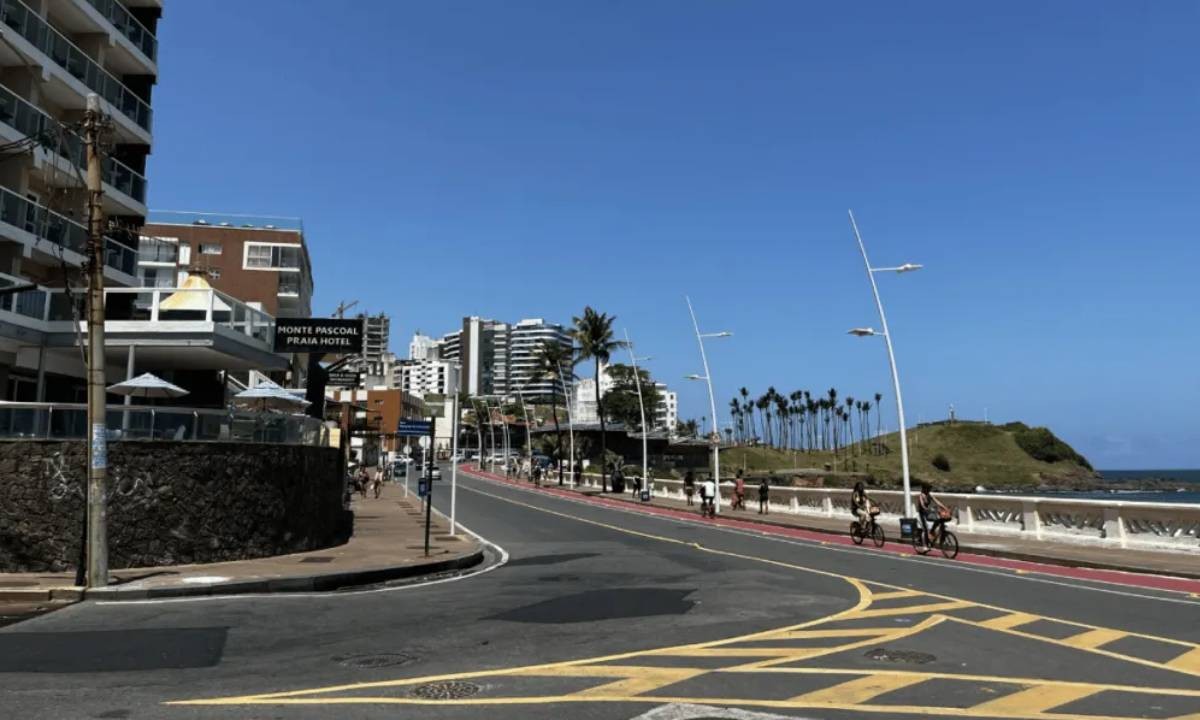
Additionally, the Hoka Speed Run on Sunday will lead to closures and progressive traffic release along the Barra and Pituaçu coastline. Key areas affected include Largo do Farol da Barra from 4:30 AM to 9 AM, and Avenida Oceânica between Largo do Farol da Barra and Curva da Paciência during the same hours. Various sections of Avenida Oceânica and Avenida Octávio Mangabeira will also see traffic sharing and closures, with specific detours provided for affected routes. Fixed and mobile barriers will be deployed across these areas to manage traffic flow.
The city of Salvador is implementing extensive traffic management measures over the weekend to accommodate a series of public events, ranging from parades to sporting races. This coordinated approach aims to balance public safety and accessibility with the desire to host community and cultural activities. The scale of the disruptions suggests a robust planning process by Transalvador, requiring significant logistical coordination with event organizers. From a systems perspective, such events highlight the inherent tension between urban mobility and the utilization of public spaces for gatherings. Future urban planning might explore strategies for event integration that minimize disruption, perhaps through optimized scheduling, dedicated event corridors, or leveraging digital infrastructure for real-time traffic information and dynamic rerouting. The proactive communication of these changes is crucial for public trust and efficient navigation.
AI-generated to prompt reflection — not editorial opinion, not advice, not a statement of fact. How this works.