Salvadoran Journalist Accuses Bukele of Lacking Ideological Plan, Criticizes Power Grabs
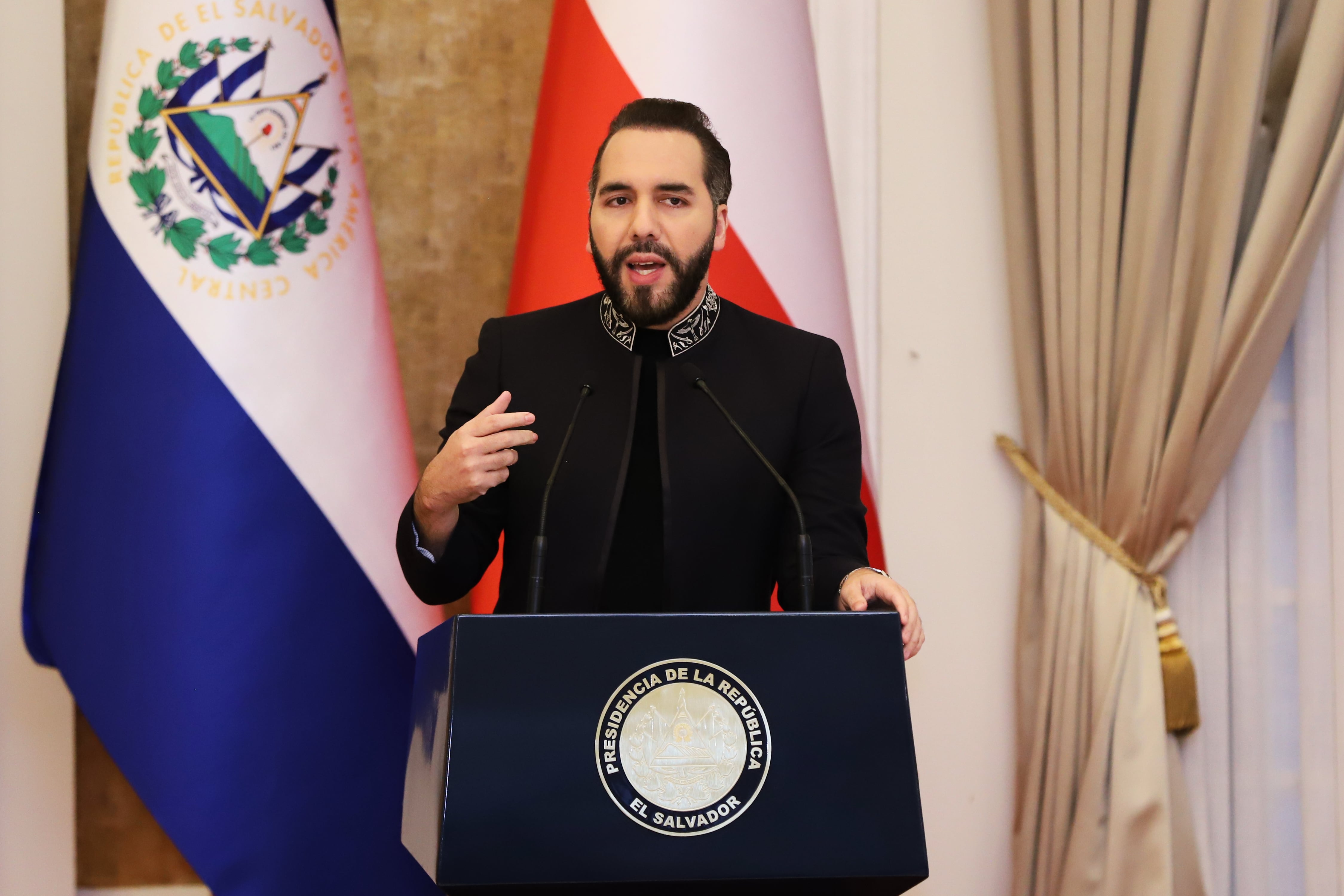
Investigative journalist Óscar Martínez has criticized Salvadoran President Nayib Bukele, stating that Bukele never had an ideological or national plan. Martínez, known for his work on crime and corruption, argues that Bukele has been consolidating power under the guise of fighting crime. He refers to Bukele as a "cool dictator," highlighting concerns about the methods employed in the government's anti-crime initiatives. Martínez's remarks suggest a lack of long-term vision beyond immediate political gains and power accumulation. The journalist's stance points to a critical view of the current administration's governance and its impact on the country's future. This perspective raises questions about the sustainability of Bukele's policies and their underlying principles.
The critique from investigative journalist Óscar Martínez suggests a perception that President Bukele's administration prioritizes power consolidation over a defined national ideology or long-term developmental strategy. This dynamic, where security measures become a vehicle for political influence, is a recurring theme in governance. The analysis prompts consideration of the trade-offs between immediate public safety gains and the establishment of robust, ideologically grounded institutions. Over the next decade, the sustainability of such governance models will likely be tested by their ability to foster broad-based economic and social progress, beyond the immediate impact of security initiatives.
AI-generated to prompt reflection — not editorial opinion, not advice, not a statement of fact. How this works.