Sam Neill, Jurassic Park Star, Dies at 78
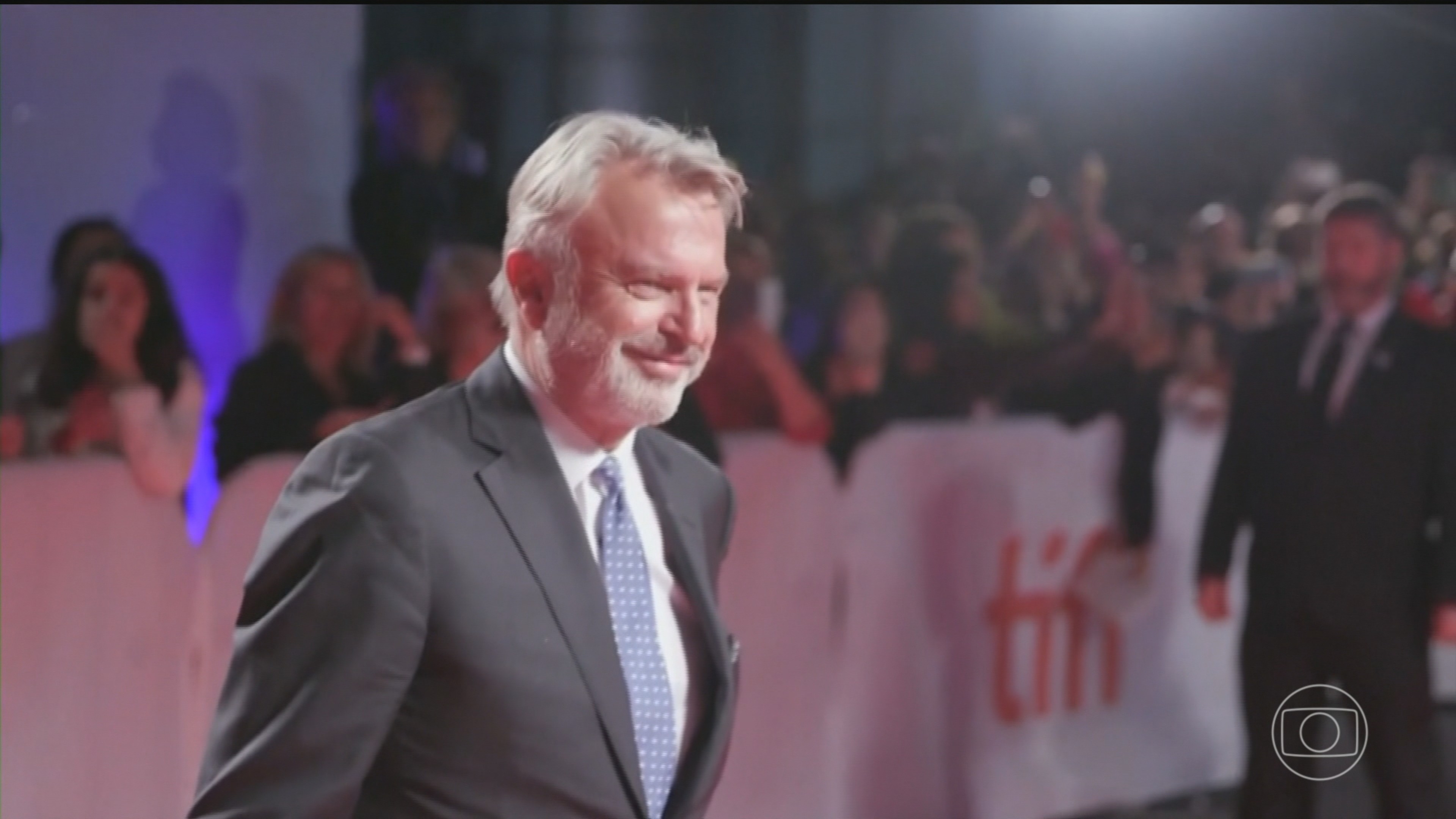
New Zealand actor Sam Neill, widely recognized for his role in "Jurassic Park," passed away on Monday, May 13th, at the age of 78. His family announced his death in Sydney, Australia, describing it as sudden and unexpected, and noting that he faced his end with the same dignity that characterized his life. Neill had been battling lymphatic cancer for five years, but in April 2026, he announced he was cancer-free. In 2023, he published a memoir where he expressed his focus on living rather than dwelling on his illness. Neill's career spanned over five decades and included more than 150 roles across Hollywood blockbusters, television, and art-house cinema, such as the acclaimed film "The Piano." He famously portrayed paleontologist Alan Grant in Steven Spielberg's "Jurassic Park," a film he felt allowed audiences to "almost touch" the dinosaurs. Born in Northern Ireland, Neill moved to New Zealand at age seven and described himself as a shy, nerdy child. Despite his extensive career, Neill expressed contentment with not becoming a lifelong celebrity, valuing his ability to live a private life on his farm in New Zealand, where he grew grapes for wine and named his farm animals after famous colleagues. Friends, including actress Laura Dern, remembered him on social media as a generous, decent, and fun-loving individual, with Dern calling him a true and noble gentleman.
The passing of Sam Neill, a prominent figure in popular culture, highlights the intersection of public life and personal health challenges. While his career brought joy to many, his public battle with cancer and subsequent recovery, followed by his death, underscores the ongoing need for robust public health initiatives and accessible cancer treatments. Neill's personal reflections on fame and his desire for a private life, even amidst a successful career, offer a commentary on the pressures of celebrity culture and the value of personal well-being. His legacy invites reflection on how societal narratives around illness and aging are shaped by media portrayals and personal resilience, prompting consideration of how individuals navigate significant health events while maintaining a public persona.
AI-generated to prompt reflection — not editorial opinion, not advice, not a statement of fact. How this works.