Sam Neill, Star of Jurassic Park and Peaky Blinders, Dies at 78
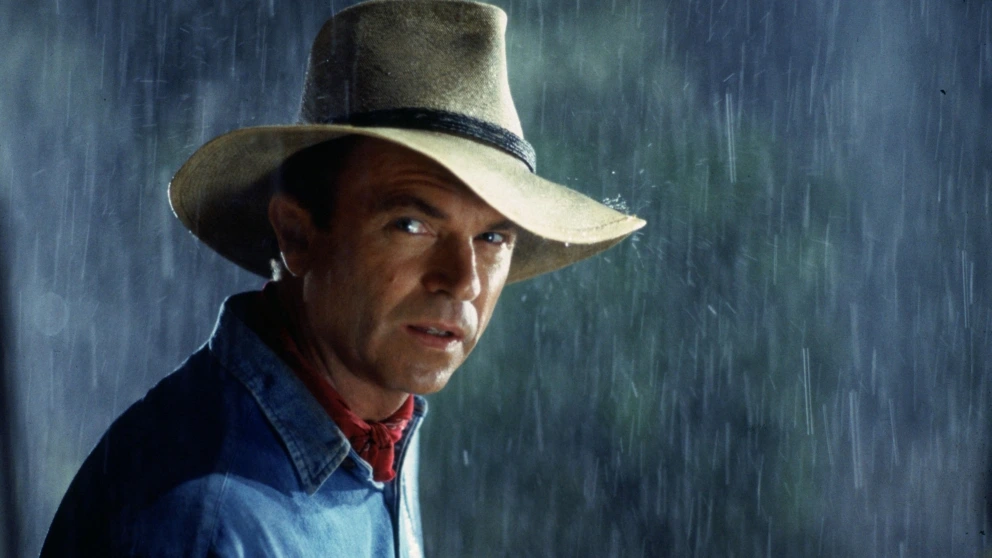
Acclaimed actor Sam Neill has passed away at the age of 78, as announced on his Instagram page. The New Zealand-born actor died unexpectedly, with no cause of death disclosed. Neill had previously been diagnosed with cancer in 2023 but had been declared cancer-free. A statement indicated he died peacefully, surrounded by family, "with the dignity that had characterized his entire life." His family has requested privacy as they mourn their "immeasurable loss."
Neill first gained widespread recognition for his role in the 1979 film "My Brilliant Career." Throughout his extensive career, he earned two Emmy nominations: one for his lead role in the 1998 miniseries "Merlin" and another for narrating the 2017 nature documentary "Wild New Zealand." However, he is perhaps most widely remembered for his iconic portrayal of paleontologist Alan Grant in the 1993 blockbuster "Jurassic Park." In the film, Grant is summoned to an island off the coast of Costa Rica to consult on a theme park featuring cloned dinosaurs. Neill reprised his role in "Jurassic Park III" (2001) and "Jurassic World Dominion" (2022). Another notable performance was his role as Major Chester Campbell in the popular series "Peaky Blinders."
The passing of Sam Neill, a globally recognized actor, marks the end of a significant chapter in film and television. His career, spanning decades and diverse roles, highlights the enduring impact of compelling performances on popular culture. The announcement of his unexpected death, following a period of cancer remission, underscores the fragility of life and the importance of public health awareness. Neill's legacy, particularly his iconic roles in "Jurassic Park" and "Peaky Blinders," will continue to resonate with audiences, demonstrating how storytelling and character development can transcend generations. The family's request for privacy emphasizes the personal toll of public loss and the need for respectful commemoration.
AI-generated to prompt reflection — not editorial opinion, not advice, not a statement of fact. How this works.