Samajwadi Party Targets Dalit Votes with 100 Candidates in UP Elections
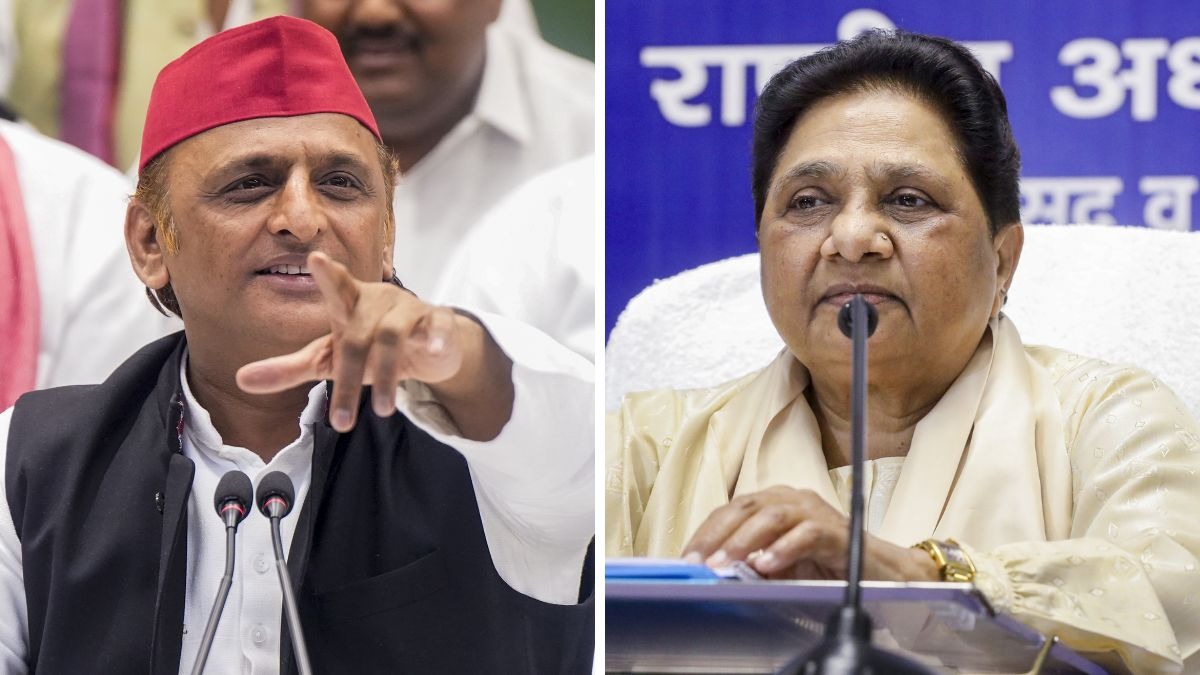
The Samajwadi Party is implementing a new strategy to secure Dalit votes in the upcoming Uttar Pradesh Assembly elections. Party leader Akhilesh Yadav plans to field Dalit candidates in 100 assembly constituencies across the state. This move is seen as a direct challenge to the Bharatiya Janata Party (BJP) and also positions the Samajwadi Party against Bahujan Samaj Party leader Mayawati. The party aims to consolidate the Dalit vote bank, which has historically been a significant factor in Uttar Pradesh politics. By nominating a substantial number of Dalit candidates, the Samajwadi Party hopes to appeal to this demographic and gain a competitive edge. This 'Ayodhya Model,' as it's being referred to, suggests a focused effort to broaden the party's appeal beyond its traditional base. The success of this strategy will be crucial for the Samajwadi Party's performance in the elections.
The Samajwadi Party's strategy to field 100 Dalit candidates in Uttar Pradesh reflects a calculated effort to disrupt established political alignments and capture a crucial voting bloc. By directly challenging the BJP's hold and implicitly targeting Mayawati's Bahujan Samaj Party, Akhilesh Yadav appears to be leveraging demographic representation as a political tool. This approach highlights the increasing importance of identity politics and the potential for parties to reshape electoral landscapes through targeted candidate selection. The long-term implications may involve increased focus on caste-based outreach by all major parties, potentially leading to a more fragmented or polarized political environment. The effectiveness of this 'Ayodhya Model' will depend on the Samajwadi Party's ability to mobilize these candidates and connect with Dalit voters beyond symbolic representation, considering evolving socio-economic factors and voter aspirations in the coming decade.
AI-generated to prompt reflection — not editorial opinion, not advice, not a statement of fact. How this works.