Samaras' Move on Wiretapping Case to Spark Developments, Lawyer Says
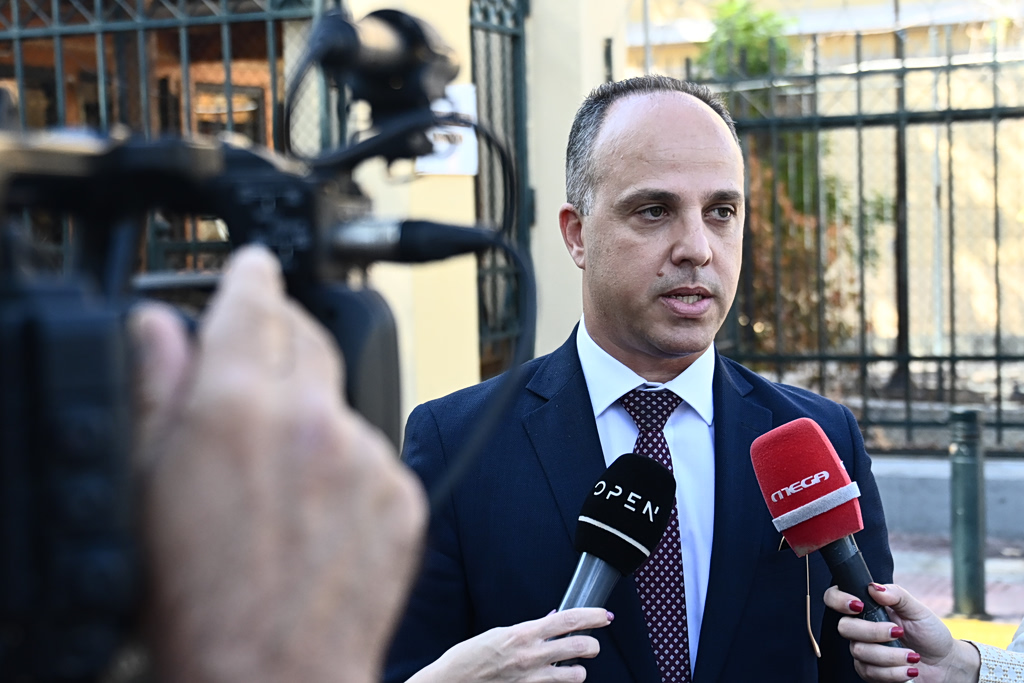
A significant development in the Greek wiretapping case has emerged following a move by former Prime Minister Antonis Samaras. Lawyer Zacharias Kessess believes this action will "spark developments" and alter the course of the investigation. Kessess highlighted that the "trapping" of a device involved demonstrates the perpetrators' lack of restraint, as they targeted an individual with specific characteristics. This institutional initiative is seen as crucial in addressing the complex wiretapping affair. The lawyer's statement suggests that the evidence uncovered indicates a bold and uninhibited approach by those involved in the illegal surveillance. Further details on the specific nature of the "trapping" and the targeted individual were not fully elaborated in the provided text, but the implication is that it reveals a high level of audacity. The case involves allegations of illegal wiretapping, a matter of significant public and political interest in Greece. Samaras' intervention is anticipated to bring new momentum to the stalled proceedings, potentially leading to further revelations and accountability.
The legal maneuver by Antonis Samaras in the wiretapping case appears designed to introduce new evidence or procedural arguments, potentially shifting the case's trajectory. The lawyer's interpretation suggests that the alleged actions by the perpetrators were exceptionally brazen, indicating a potential disregard for established norms or legal boundaries. From a systemic perspective, such cases test the resilience of democratic institutions and the rule of law, particularly concerning state surveillance capabilities and oversight mechanisms. The coming "developments" will likely hinge on the admissibility and impact of the new information, and whether it leads to greater transparency and accountability within the relevant governmental or intelligence structures. This situation underscores the ongoing tension between national security imperatives and individual privacy rights in the digital age.
AI-generated to prompt reflection — not editorial opinion, not advice, not a statement of fact. How this works.