Samba Icon Neguinho da Beija-Flor to Debut at Brazil's National Folklore Festival
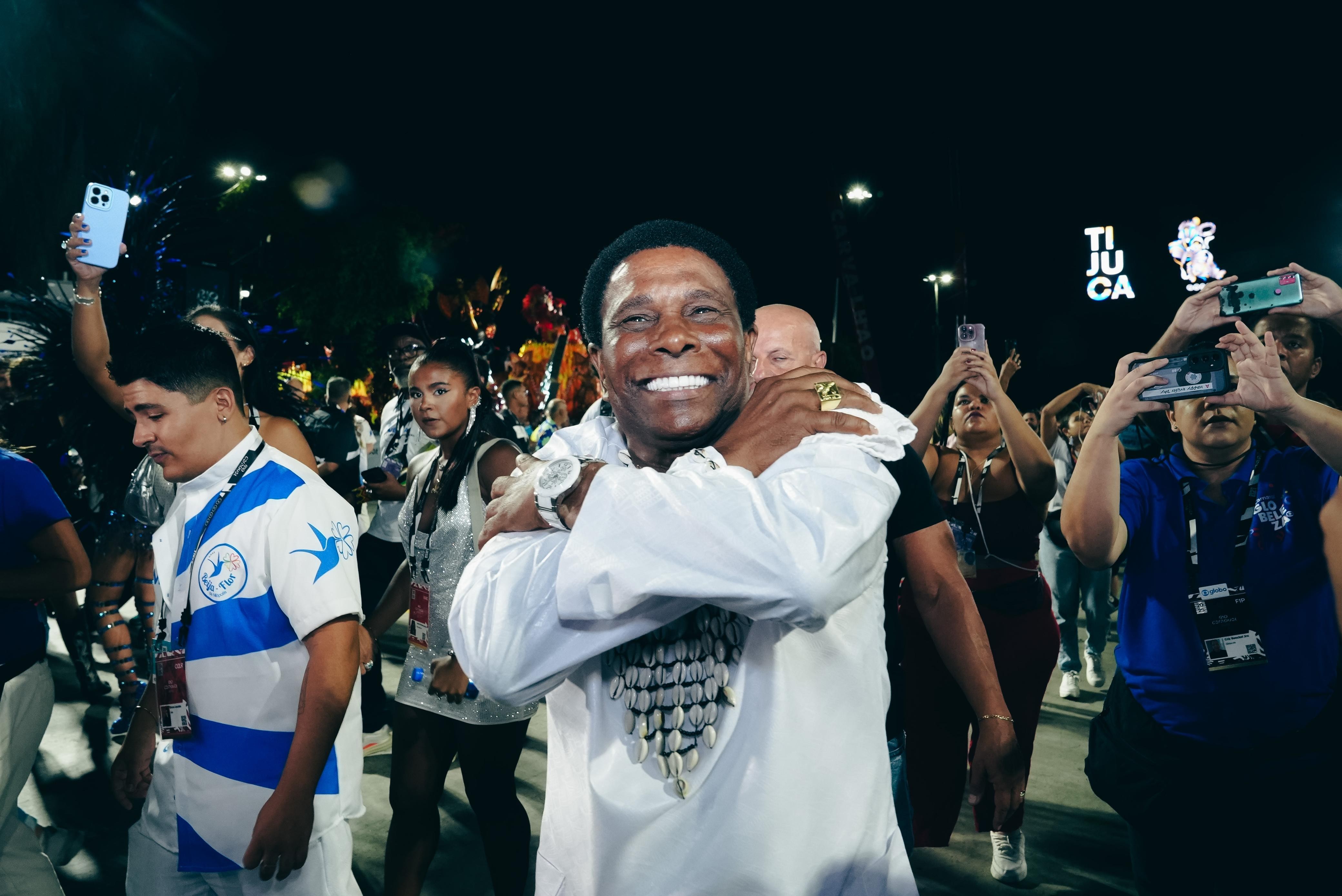
Samba legend Neguinho da Beija-Flor, a 50-year veteran of the Beija-Flor de Nilópolis samba school, will perform at the opening of the 62nd National Folklore Festival (Fefol) in Olímpia, São Paulo, on Saturday, August 1st. This marks his first appearance in Olímpia, known as the National Capital of Folklore. Neguinho da Beija-Flor, whose real name is Luiz Antônio Feliciano Marcondes, is a revered figure in samba, considered a 'baluarte' for his significant contributions to the genre and his role in preserving its traditions. He views samba as a vital part of Brazilian folklore, originating from African roots and evolving through Bahia to Rio de Janeiro, and emphasizes its global representation of Brazilian culture. The festival this year pays homage to the state of Rio de Janeiro, showcasing its diverse cultural expressions, including jongo, samba, folia de reis, maracatu, quadrilhas juninas, and afoxé. Ten groups from Rio de Janeiro will participate, forming the largest visiting delegation. Neguinho da Beija-Flor expressed his excitement for the debut, promising a repertoire that encourages audience participation and a celebratory atmosphere. The Fefol, held at the 'Professor José Sant'anna' Exhibition Grounds, aims to rescue and preserve traditional Brazilian cultural manifestations through nine days of performances and public activities.
The participation of a prominent samba artist at a national folklore festival highlights the evolving definition of 'folklore' to encompass contemporary cultural expressions with deep historical roots. This integration can bolster the festival's appeal and financial viability by drawing larger audiences. However, it also raises questions about the preservation of more traditional, less commercially recognized folk arts. The event's theme, 'Aquele Abraço,' and its focus on Rio de Janeiro's culture, including samba, underscore the festival's strategic positioning to leverage the cultural capital of Brazil's most internationally recognized art forms. This approach may offer a sustainable model for cultural heritage events in an era where diverse cultural expressions compete for attention and resources, while also necessitating careful curation to ensure a balanced representation of Brazil's vast cultural tapestry.
AI-generated to prompt reflection — not editorial opinion, not advice, not a statement of fact. How this works.