Samsung Ditches Exynos for Snapdragon in New Galaxy Watch 9 and Ultra 2
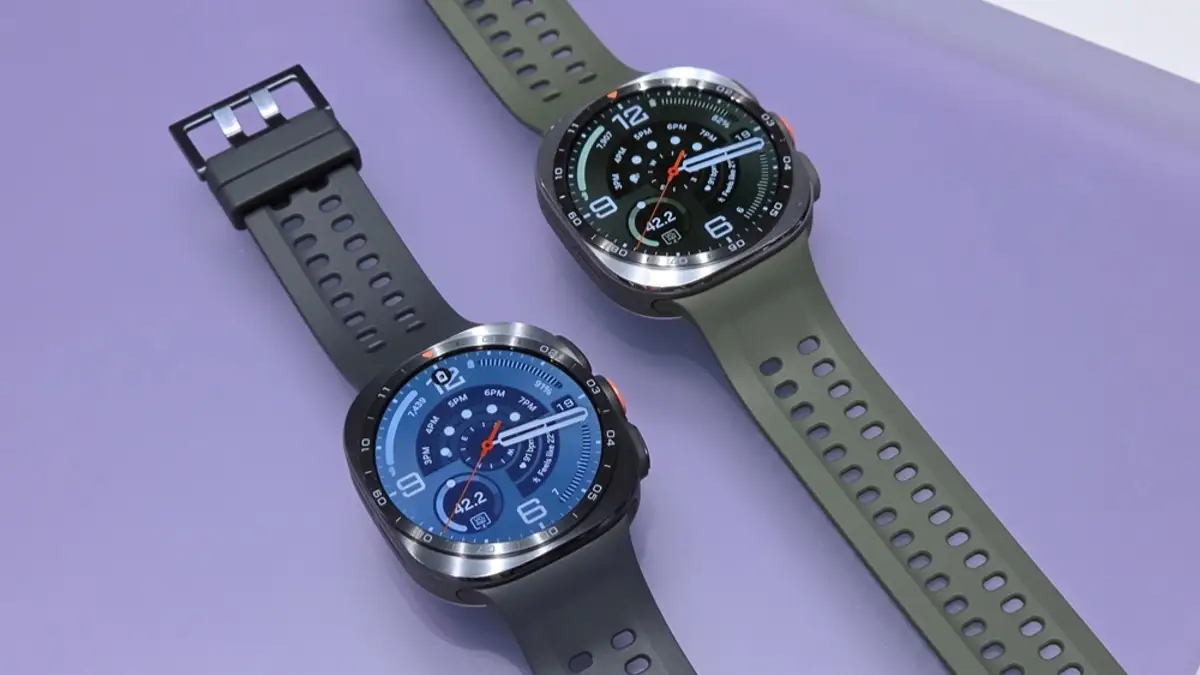
Samsung officially announced on Wednesday in London that it is discontinuing its in-house Exynos chips for its high-end smartwatches, opting instead for Qualcomm processors. The Galaxy Watch Ultra 2 will be the first model to feature the Snapdragon Wear Elite chip, manufactured on a 3-nanometer process. This new chip is paired with 2GB of RAM and 64GB of internal storage. The company also highlighted enhanced cardiovascular monitoring capabilities for its upcoming devices. This strategic shift signifies a move towards potentially improved performance and efficiency, leveraging Qualcomm's established expertise in mobile processing. The decision to switch chip suppliers for its premium smartwatch line suggests Samsung's commitment to integrating cutting-edge technology to maintain its competitive edge in the wearable market. Further details regarding the Galaxy Watch 9 and the full specifications of the Ultra 2 are expected to be released soon.
Samsung's transition from its proprietary Exynos chips to Qualcomm's Snapdragon Wear Elite for its premium smartwatches indicates a strategic prioritization of performance and potentially power efficiency, driven by market competition and technological advancements. This move suggests a recognition of Qualcomm's current leadership in mobile processor technology, particularly for wearable devices. By adopting a 3nm fabrication process, Samsung aims to leverage the latest semiconductor manufacturing capabilities for enhanced computational power and battery life. This decision reflects a broader industry trend where companies may outsource critical component manufacturing to specialized leaders to accelerate innovation and product development, rather than solely relying on in-house capabilities. The focus on enhanced cardiovascular monitoring also points to the increasing integration of health-tech features as a key differentiator in the competitive smartwatch market, aligning with consumer demand for comprehensive wellness tracking.
AI-generated to prompt reflection — not editorial opinion, not advice, not a statement of fact. How this works.