Samsung Galaxy Z Flip 8: Minimal Hardware Changes, Software-Focused AI Upgrades
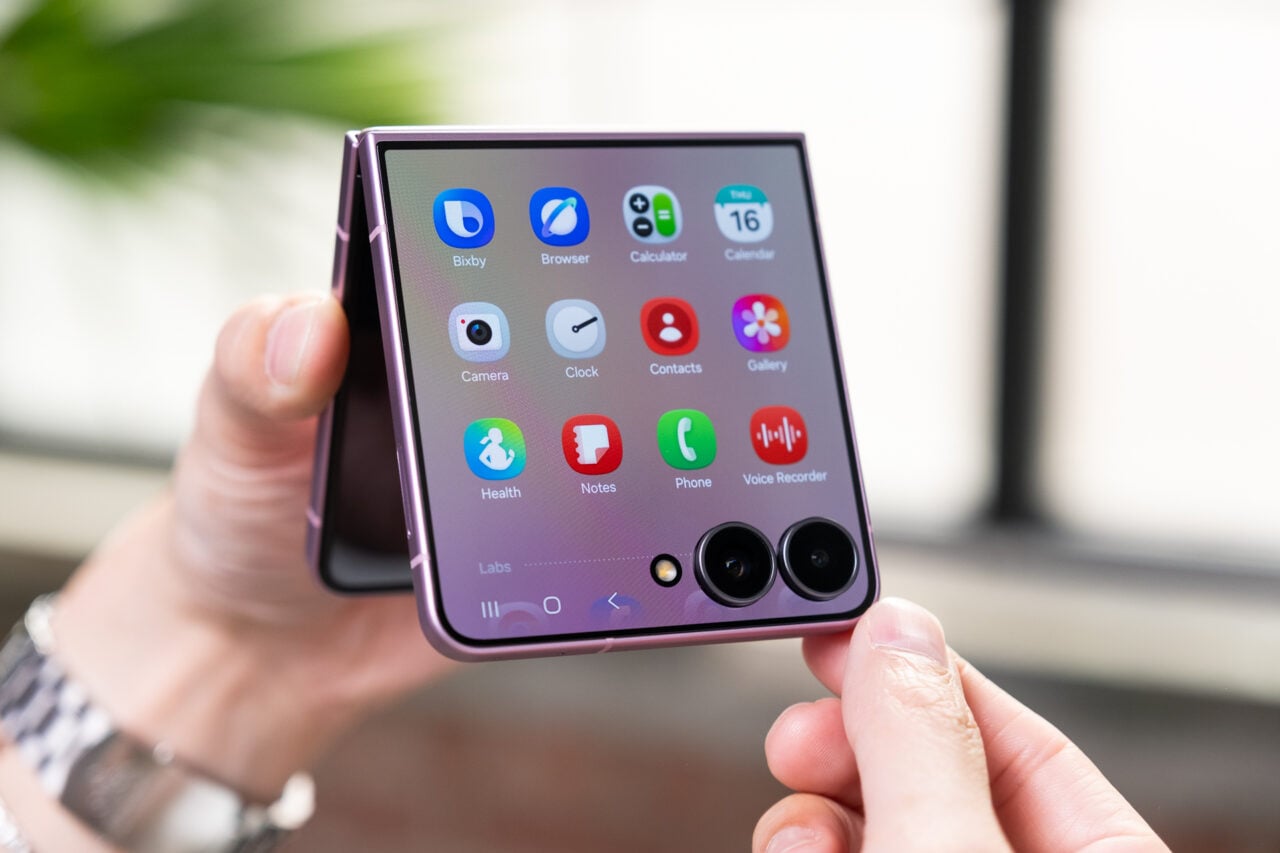
The Samsung Galaxy Z Flip 8 appears to be one of the most incremental smartphone updates in recent memory. The core hardware of the device remains largely unchanged from its predecessors, indicating a focus on refining the existing design rather than introducing significant new physical components. The primary advancements for this iteration are concentrated within the software. Samsung has implemented upgrades aimed at enhancing the artificial intelligence capabilities of the phone. These software-driven AI improvements are intended to offer users new functionalities and a more intelligent user experience. The hands-on impression suggests that while the physical form factor is familiar, the user interaction and smart features are where the Z Flip 8 aims to differentiate itself. This approach might appeal to users who value the existing design and are looking for enhanced AI performance. However, it also raises questions about the pace of innovation in the foldable smartphone market.
This iteration of the Galaxy Z Flip series highlights a strategic shift towards software-driven innovation, particularly in AI capabilities, while maintaining a familiar hardware baseline. This approach may reflect maturing foldable technology, where incremental hardware gains become more challenging and costly. The focus on AI suggests Samsung is aligning with broader industry trends emphasizing intelligent features. Such a strategy could optimize development resources and appeal to a segment of the market prioritizing enhanced software experiences over radical hardware redesigns. However, it also presents a potential challenge in differentiating the product significantly in a competitive landscape, requiring compelling AI features to justify upgrades and maintain market momentum over the next decade.
AI-generated to prompt reflection — not editorial opinion, not advice, not a statement of fact. How this works.