Samsung Galaxy Z Fold 8 Ultra: Base Model Steals the Show
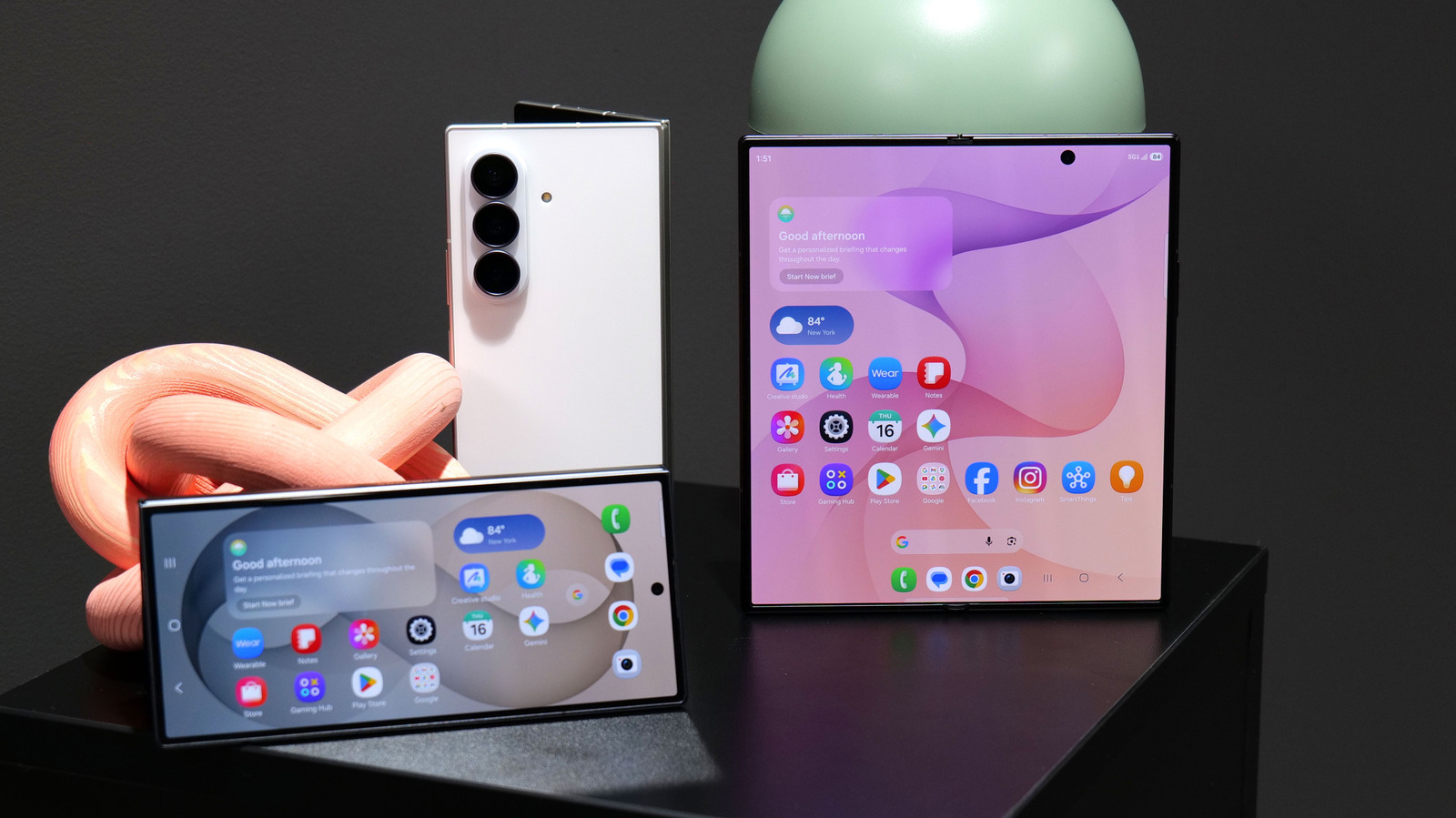
Samsung's new Galaxy Z Fold 8 Ultra boasts several enhancements, including improved performance, faster charging capabilities, and an upgraded ultra-wide camera. However, despite these upgrades, the device appears to be overshadowed by the standard Galaxy Z Fold 8 model. Reviewers note that while the Ultra version offers notable improvements, the primary appeal lies in the regular model's wider screen dimensions. This suggests a potential misstep in Samsung's strategy, where the more affordable or standard variant might be capturing the consumer interest more effectively due to its design or usability features, rather than the higher-end 'Ultra' designation.
The market reception of the Galaxy Z Fold 8 Ultra, particularly its perceived upstaging by the base model, highlights a common dynamic in consumer electronics. Product differentiation strategies often aim to justify premium pricing through incremental upgrades. However, if the core user experience, such as screen real estate, is perceived as superior in a less expensive variant, it can undermine the value proposition of the flagship. This situation prompts a consideration of whether product development should prioritize fundamental usability and design elements that resonate broadly with consumers, even at the risk of cannibalizing higher-margin products. Future product cycles may benefit from a more integrated approach, ensuring that top-tier models offer compelling, distinct advantages that justify their cost, rather than relying solely on performance metrics or minor feature additions.
AI-generated to prompt reflection — not editorial opinion, not advice, not a statement of fact. How this works.