Samsung Releases Unexpected Updates for Two Older Galaxy Smartphones
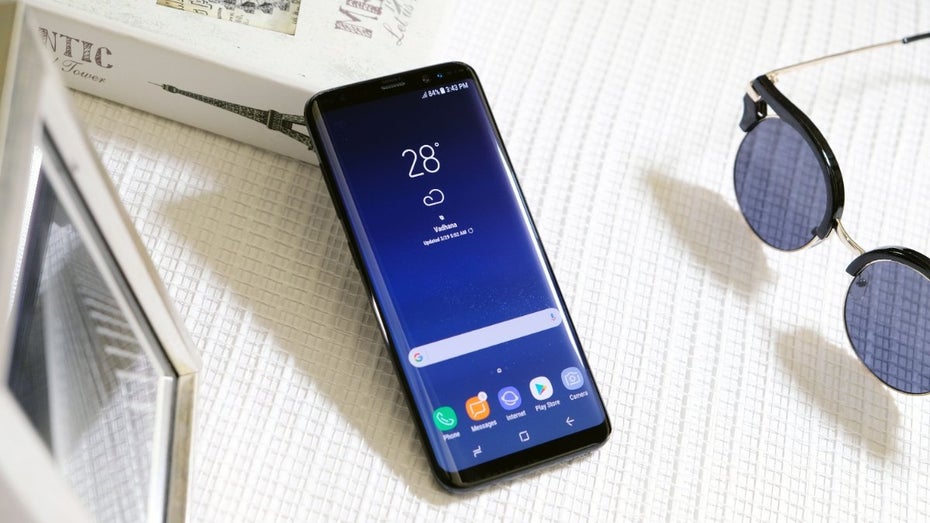
Samsung has surprisingly rolled out software updates for two older Galaxy smartphone models. These devices, the Galaxy S7 and S7 Edge, were released in 2016 and had their official support ended approximately five years ago. Despite the end of official support, Samsung has now provided a security update for these models. The exact contents and specific security vulnerabilities addressed by this update have not been detailed by Samsung. This move is unusual as manufacturers typically cease providing updates for devices that are well beyond their typical support lifecycle. The Galaxy S7 series was a flagship product for Samsung upon its release, known for its camera and water resistance. The update suggests a continued, albeit minimal, commitment to security for some of its older user base. It remains unclear if this is a one-time update or if further patches will be released for these devices.
Samsung's decision to issue security updates for devices whose official support concluded nearly five years ago presents an interesting case study in product lifecycle management and extended security commitments. This action could be driven by a strategic imperative to mitigate potential zero-day exploits on a large installed base, thereby protecting brand reputation and user trust, even at a late stage. Alternatively, it might reflect an internal process optimization that identified a window for deploying critical patches efficiently. From a consumer perspective, this offers unexpected value and security assurance. However, it also raises questions about the sustainability and scalability of such extended support models for a vast range of aging hardware in the rapidly evolving tech landscape. The long-term implication could be a re-evaluation of device longevity expectations and the industry's approach to software support, potentially influencing future purchasing decisions and the circular economy for electronics.
AI-generated to prompt reflection — not editorial opinion, not advice, not a statement of fact. How this works.