Samsung's Ultra Smartphones: Galaxy Z Fold 8 vs. Galaxy S26 - A Comparative Look
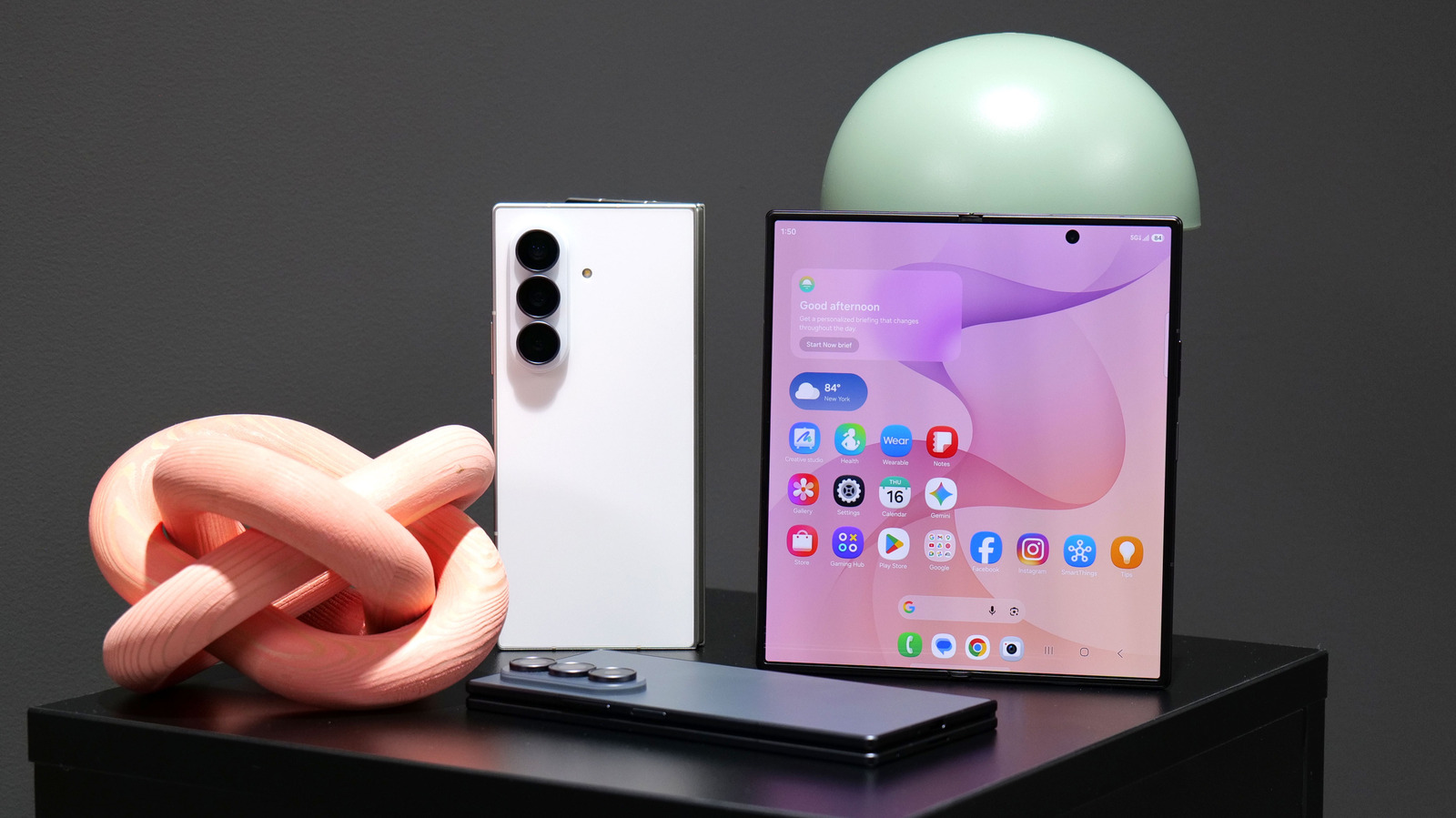
Samsung is preparing to launch two flagship 'Ultra' models, the Galaxy Z Fold 8 Ultra and the Galaxy S26 Ultra, each targeting different user needs. The Galaxy Z Fold 8 Ultra is designed as a versatile device, aiming to be a 'jack of all trades' with its foldable form factor. This suggests it will offer a wide range of functionalities and adaptability for various tasks. In contrast, the Galaxy S26 Ultra is positioned as a 'master of one,' implying a focus on excelling in a specific area, likely traditional smartphone performance and features. The comparison between these two devices will highlight Samsung's strategy to cater to diverse consumer preferences within its premium smartphone offerings. Consumers will need to decide whether the flexibility of a foldable or the specialized power of a conventional flagship best suits their usage patterns. This strategic differentiation allows Samsung to capture a broader market segment with its high-end devices.
Samsung's dual 'Ultra' strategy for its foldable and traditional flagship lines reflects a maturing smartphone market where diverse user needs are becoming more pronounced. The Z Fold 8 Ultra's 'jack of all trades' approach leverages the unique form factor to offer versatility, appealing to power users and multitaskers. Conversely, the S26 Ultra's 'master of one' designation suggests a refinement of core smartphone capabilities, likely focusing on camera, performance, and battery life for users prioritizing a singular, optimized experience. This segmentation allows Samsung to mitigate the inherent compromises of each form factor, potentially expanding its overall market share by offering distinct value propositions. The long-term success will depend on how effectively each device meets its targeted user's expectations and how the market perceives the value proposition of versatility versus specialized excellence in the coming years.
AI-generated to prompt reflection — not editorial opinion, not advice, not a statement of fact. How this works.