Sanjay Dutt's Life: From Bollywood Stardom to Prison Inmate No. 16656
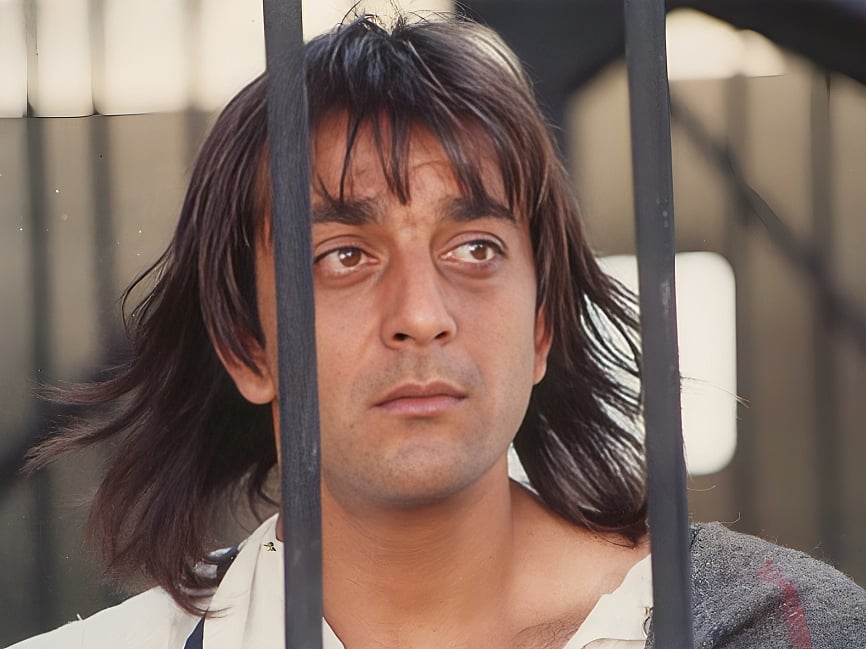
The life of Indian actor Sanjay Dutt, born to legendary parents Sunil Dutt and Nargis on July 29, 1959, has been as dramatic as any film script. Spanning over four decades in Indian cinema, Dutt has portrayed diverse characters, from romantic leads to gangsters and villains. However, his most talked-about chapter involves his conviction and imprisonment for illegal arms possession in connection with the 1993 Mumbai serial bombings.
Dutt's acting career began tragically with his debut in 'Rocky' shortly after his mother's death. Despite early success, his path was marred by personal struggles, including drug addiction, which necessitated rehabilitation. He later re-established himself with hits like 'Naam', 'Saajan', 'Sadak', and 'Khalnayak'. His role as the gangster Raghu in 'Vaastav' earned critical acclaim, while the 'Munna Bhai' series brought him widespread popularity with a new generation.
In recent years, Dutt has also excelled in powerful antagonist roles, notably as Adheera in 'KGF: Chapter 2', and has expanded his work to include Kannada, Tamil, and Telugu films. The investigation into the 1993 bombings revealed Dutt's possession of illegal AK-56 rifles and ammunition. Although acquitted of conspiracy charges, he was convicted under the Arms Act. Initially sentenced to six years by a special TADA court in 2007, the Supreme Court later reduced his sentence to five years. He surrendered in May 2013 and was sent to Yerwada Central Jail in Pune, where he was known as inmate number 16656.
The narrative surrounding Sanjay Dutt's legal troubles highlights the complex interplay between celebrity, public perception, and the justice system. While Dutt was acquitted of direct involvement in the terrorist conspiracy, his conviction for illegal arms possession underscores the stringent legal framework governing national security and public safety. The extended legal battle, spanning over two decades, demonstrates the protracted nature of high-profile cases and their profound impact on individuals' lives and careers. This case also raises questions about the proportionality of sentences and the rehabilitation process for individuals convicted of serious offenses, particularly those with significant public profiles. The differing accounts of his interrogation and the emotional impact on his family emphasize the human dimension of legal proceedings, while the eventual return to acting suggests a societal capacity for redemption and reintegration, even after significant transgressions.
AI-generated to prompt reflection — not editorial opinion, not advice, not a statement of fact. How this works.