Santa Casa Hospital Partners with Expo Prudente 2026 for SUS Room Renovations
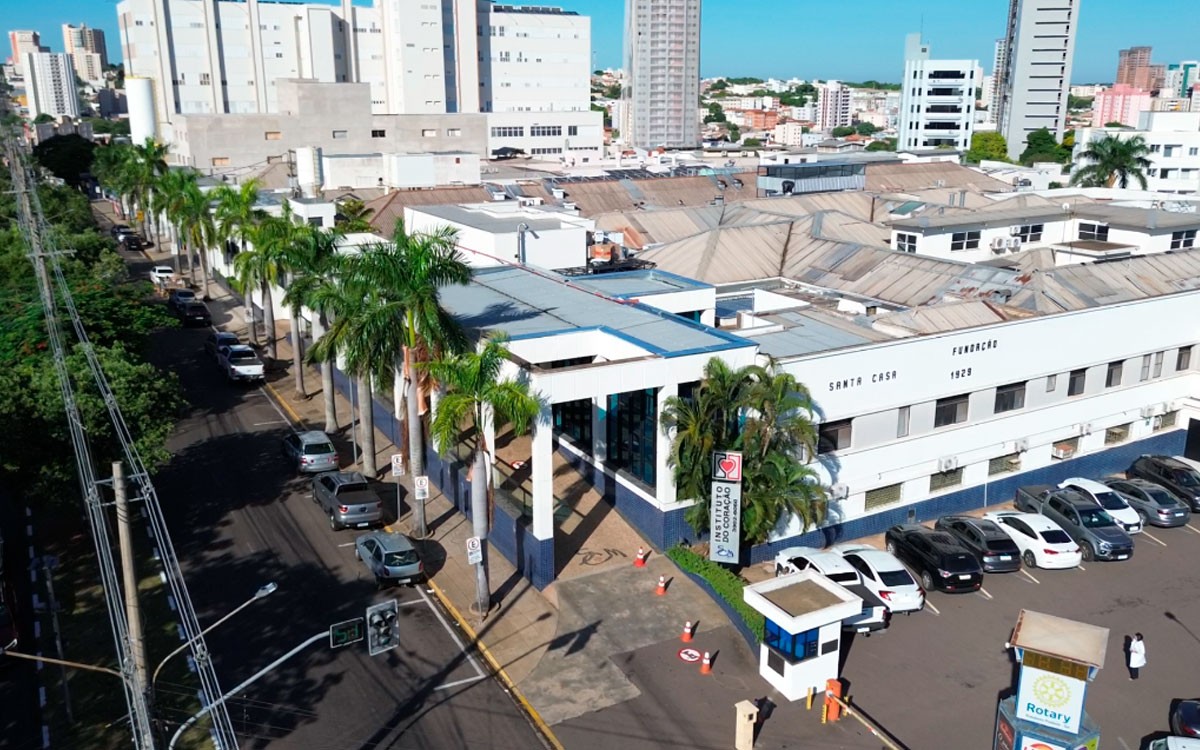
Santa Casa de Presidente Prudente in São Paulo has partnered with the organizers of Expo Prudente 2026 to raise funds for the renovation of its public health system (SUS) inpatient rooms. The hospital aims to collect R$ 300,000 to initially renovate five rooms, part of a larger effort to update its facilities before its centennial in 2029. Currently, the hospital has 20 communal SUS rooms, each accommodating four patients, in need of modernization. The fundraising initiative will involve selling sponsorships, VIP boxes, and tickets for the Expo directly through Santa Casa. This effort follows previous modernization projects, including the replacement of over 100 beds last year, funded by businesses, the Freemasons, and a charity event. The current focus is on structural improvements to the inpatient quarters. The partnership was established between Santa Casa, KDS Eventos, and producer Fábio Nascimento. The official launch of Expo Prudente 2026 and details of this charitable collaboration were presented on Saturday, February 25th, at the Presidente Prudente Tennis Club, with attendees including business leaders, sponsors, and officials. Santa Casa reports that approximately 60% of its services cater to public health patients, handling over 5,600 hospitalizations, 4,100 surgeries, and 21,400 consultations via SUS last year for residents of Presidente Prudente and 45 surrounding municipalities.
This collaboration highlights the increasing reliance on private fundraising and event partnerships to supplement public healthcare infrastructure funding in Brazil. The initiative addresses a critical need for facility upgrades within the SUS system, acknowledging that public budgets may not always cover necessary renovations. By leveraging a large-scale event like Expo Prudente 2026, Santa Casa aims to tap into broader community and corporate support, demonstrating a strategic approach to resource mobilization. This model, while effective for immediate needs, raises questions about the long-term sustainability of healthcare facility maintenance and the equitable distribution of resources across the public health network. The success of such partnerships could influence future funding strategies for hospitals serving a significant public patient base, potentially creating a precedent for similar initiatives across the country.
AI-generated to prompt reflection — not editorial opinion, not advice, not a statement of fact. How this works.