Santa Catarina braces for widespread frost and sub-zero temperatures
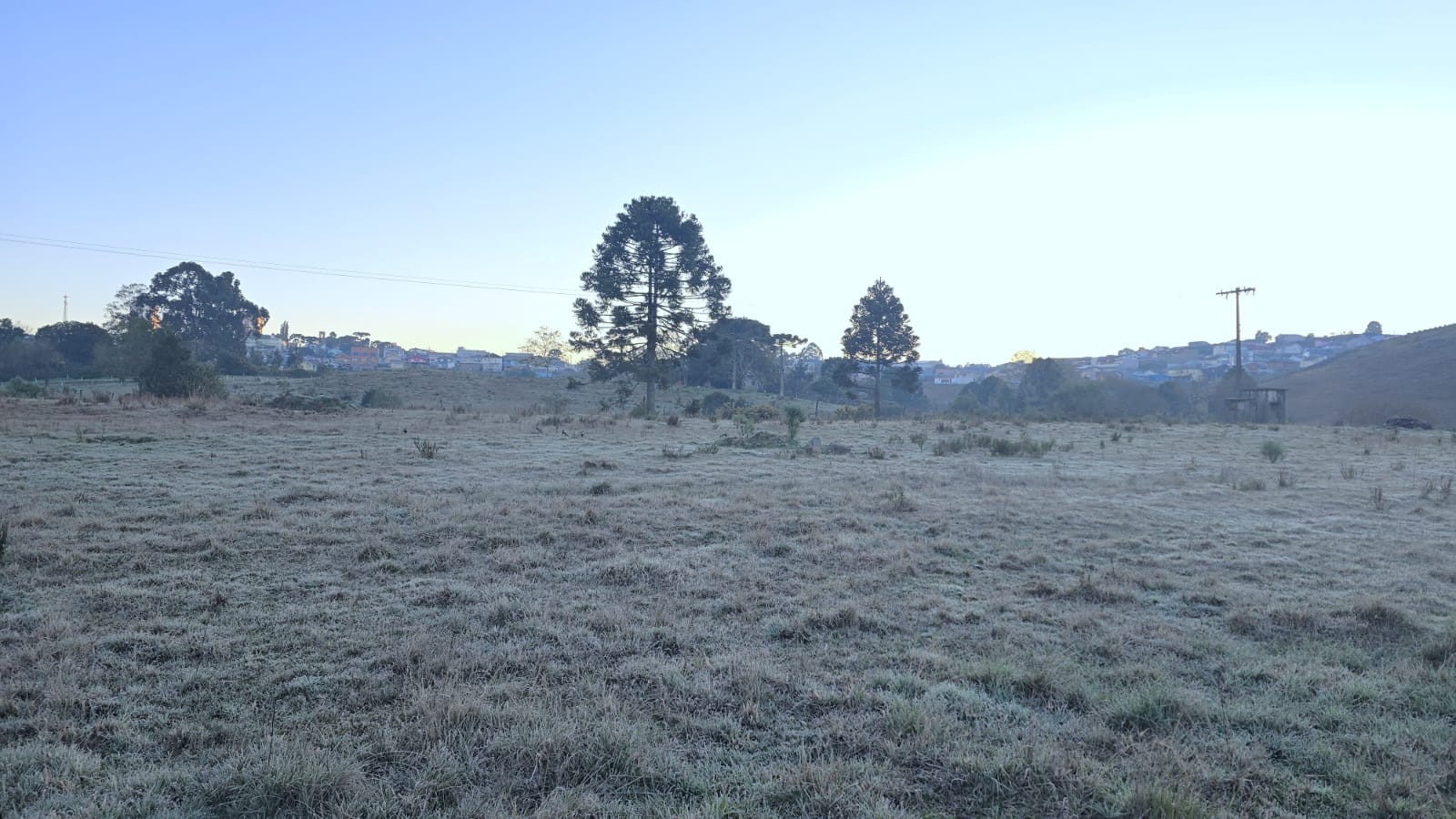
Santa Catarina, Brazil, is under a yellow alert for widespread frost and a significant drop in temperatures, with lows potentially reaching -3°C in higher elevations. The cold snap, driven by a dry and cold air mass moving into Southern Brazil, is expected to begin Monday night, May 6th. The Civil Defense has warned of moderate risks associated with the cold, including hypothermia, exacerbation of respiratory and cardiovascular conditions, thermal discomfort, and potential for icy road surfaces. Frost is anticipated across the entire state throughout the week, particularly in the plateau and western regions. While frost can occur year-round, it is common in the state's higher altitudes. The cold is forecast to persist through the nights, early mornings, and mornings until at least Wednesday, May 8th. Minimum temperatures are expected to hover around 0°C in most areas, dipping to -3°C in the Planalto Sul, Alto Vale do Itajaí, and Meio-Oeste regions, and potentially lower in the highest points. Western and Far-Western areas will see lows between 1°C and 5°C, while coastal and northeastern regions will experience milder temperatures between 3°C and 8°C. Daytime highs will remain below 18°C, despite sunny conditions. Authorities are advising residents to protect vulnerable populations like the elderly, children, and the sick, to shelter domestic animals, dress warmly, stay hydrated, avoid crowded indoor spaces, and maintain hand hygiene.
This forecast highlights the recurring challenge of managing extreme weather events in regions with varied topography. The 'yellow alert' signifies a moderate risk, prompting public health advisories and preparedness measures. The system's response, emphasizing protection for vulnerable groups and basic precautions, reflects a reactive approach to predictable seasonal shifts. Looking ahead, the increasing frequency of extreme weather events globally suggests a need for more proactive, long-term infrastructure and public health strategies that can mitigate the impacts of such temperature fluctuations. This includes urban planning that accounts for microclimates and robust social support systems designed to buffer against predictable environmental stressors, rather than solely relying on immediate advisories.
AI-generated to prompt reflection — not editorial opinion, not advice, not a statement of fact. How this works.