Santa Catarina Ex-Health Secretary and Veigamed Ordered to Repay $33 Million for Undelivered Respirators
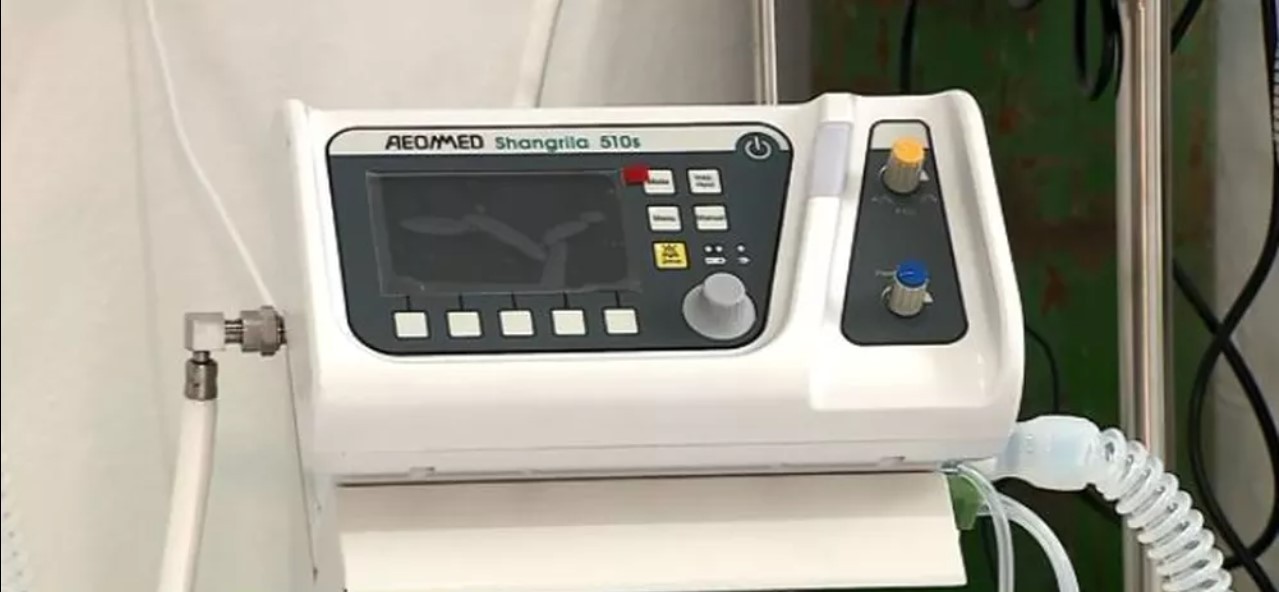
A court in Santa Catarina, Brazil, has ordered the former State Health Secretary, Helton Zeferino, along with the company Veigamed and its associates, to return R$ 33 million. This amount was paid in 2020 for 200 respirators intended for COVID-19 patients, but which were never fully delivered. The court also declared the procurement process null and void. Only 50 respirators arrived in the state, and these were not the model purchased by the government. Furthermore, these 50 units were confiscated by the Federal Revenue Service due to documentation irregularities before they could be delivered to the state. Of the 50, only 11 were approved by technical staff from the State Health Secretariat, and these were distributed to health units in the Serra, South, and West regions of Santa Catarina. Crucially, none of the delivered respirators could be used in Intensive Care Units (ICUs) for COVID-19 patients as intended. The sentence specifies that Zeferino must repay the amount proportional to his administrative responsibility, while Veigamed and its partners are to return the full sum, adjusted for interest and inflation, minus any amounts already recovered or blocked in other related legal actions. The company TS Eletronic do Brasil, which was contracted by Veigamed to import the equipment from China, is required to return any funds it received from Veigamed. The assets of the Veigamed representatives remain frozen to guarantee reimbursement. The former governor of Santa Catarina at the time of the purchase, Carlos Moisés da Silva, was not named in these proceedings. The defendants retain the right to appeal the decision.
This judicial ruling highlights significant governance failures in emergency procurement during the COVID-19 pandemic, specifically concerning the acquisition of critical medical equipment. The case underscores the risks associated with non-competitive bidding processes, even when justified by urgent public health needs, as they can create vulnerabilities for corruption and mismanagement. The court's decision to nullify the contract and mandate repayment, while allowing for appeals, reflects a necessary mechanism for accountability. Moving forward, robust oversight frameworks and transparent supply chain management for essential public health resources are crucial to prevent such financial losses and ensure the effective deployment of resources during future crises. The focus on returning funds and freezing assets aims to rectify financial impropriety, but the systemic issues enabling such transactions warrant deeper examination to strengthen public trust and operational integrity in governmental procurement.
AI-generated to prompt reflection — not editorial opinion, not advice, not a statement of fact. How this works.