Santa Catarina faces risk of intense cold and rough seas after heavy rains
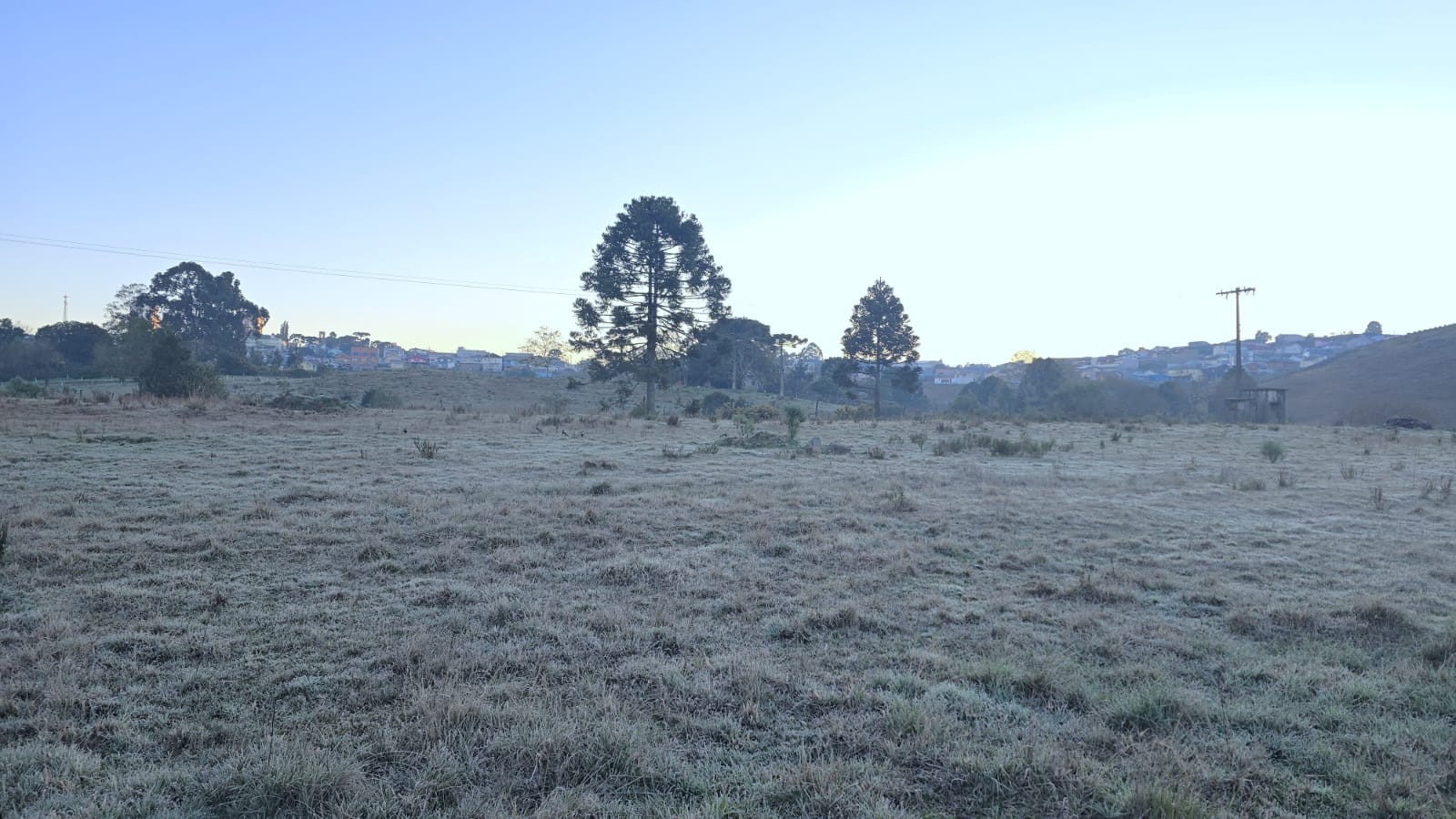
Following significant rainfall, Santa Catarina (SC) in Brazil is now bracing for a sharp drop in temperatures and rough maritime conditions. A cold, dry air mass is set to move in, prompting the Civil Defense to issue warnings about a steep temperature decline starting Friday night. While isolated showers may persist on the coast early Friday, the weather is expected to clear by afternoon with sunshine and variable clouds. However, some areas like the North Coast and Vale do Itajaí might experience brief, light rain. Temperatures are predicted to reach as low as 1°C in the Serra, 3°C in the Oeste region, and 5°C in the Sul. Greater Florianópolis, Vale do Itajaí, and the North are expected to see lows around 8°C. The weekend will remain dry but cold, with clear skies and sunshine. Frost is anticipated in higher elevations of the Oeste, Serra, and Norte regions, with minimum temperatures expected to stay below 10°C across most of the state. The Serra could even experience temperatures as low as -4°C, while daytime highs will range between 15°C and 19°C. South quadrant winds will prevail, bringing gusts to the coast. The sea will be rough until Saturday, particularly in the southern regions and Greater Florianópolis, with waves potentially reaching 3.5 meters and a risk of storm surges. High tides are also forecast. The Civil Defense advises caution regarding thermal discomfort, hypothermia, worsening of respiratory and cardiovascular conditions, and potential road freezing. They recommend protecting vulnerable populations, sheltering pets, dressing warmly, staying hydrated, avoiding crowded indoor spaces, and maintaining hand hygiene.
The impending cold snap in Santa Catarina highlights the vulnerability of regions to rapid meteorological shifts, particularly concerning infrastructure and public health. The alert system's focus on thermal discomfort, hypothermia, and exacerbation of existing health conditions underscores the need for proactive public health strategies and resilient infrastructure design. As climate patterns evolve, anticipating and mitigating the impacts of extreme weather events, including temperature plunges and associated maritime hazards like storm surges, becomes increasingly critical for regional stability and economic continuity. The recommendations provided by the Civil Defense offer a baseline for individual preparedness, but systemic solutions may involve enhanced early warning systems, public infrastructure adaptation, and targeted support for vulnerable communities to build long-term resilience against such environmental challenges.
AI-generated to prompt reflection — not editorial opinion, not advice, not a statement of fact. How this works.