Santa Catarina Hospital Evacuated Due to Severe Ground Instability and Landslide Risk
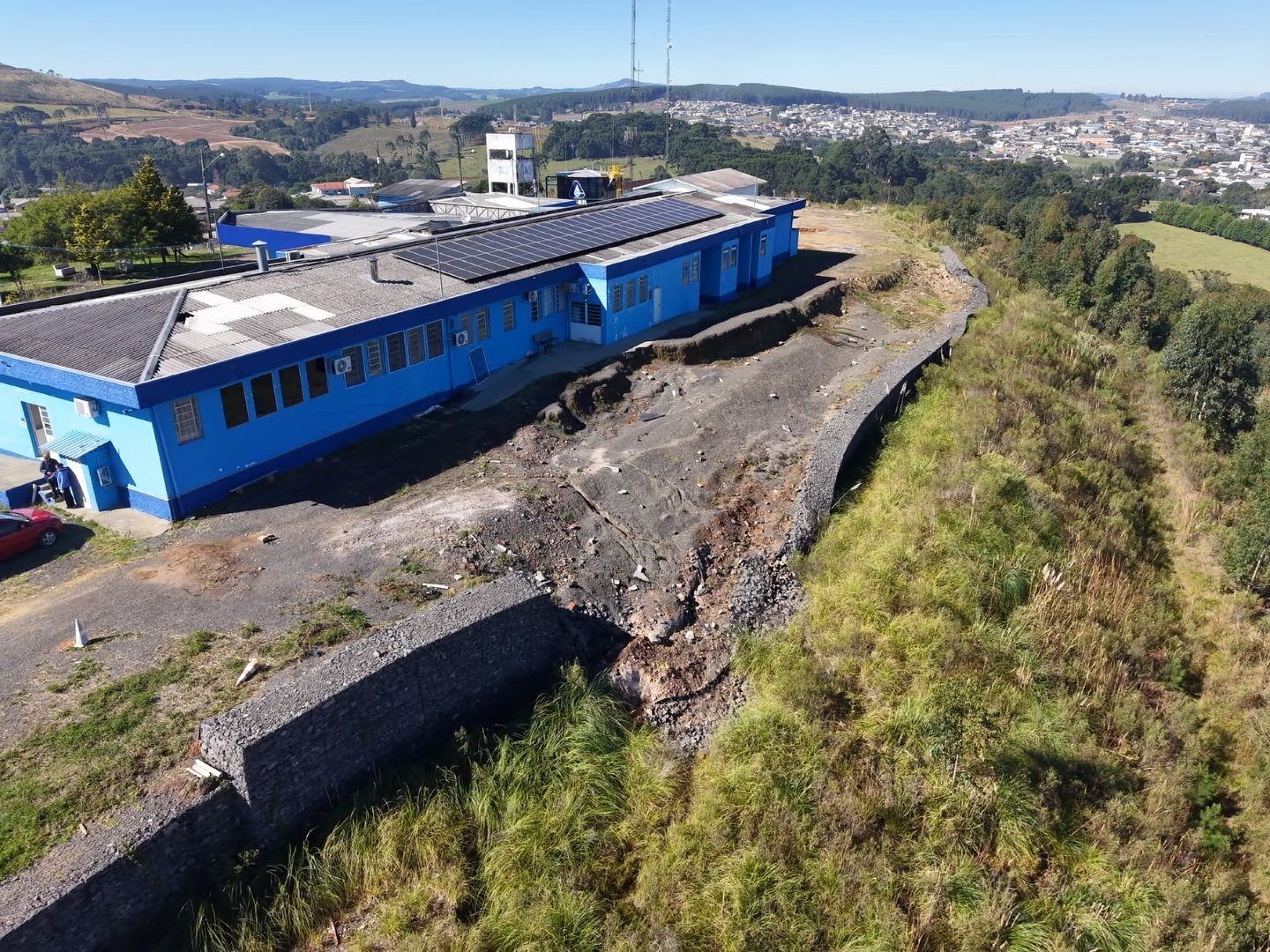
The Faustino Riscarolli Hospital in Correia Pinto, Santa Catarina, has been ordered to close within 24 hours due to significant ground movement and a high risk of landslides. The Public Ministry of Santa Catarina (MPSC) recommended the total interdiction after a technical study by Civil Defense identified cracks, fractures, and large fissures in the soil and rock beneath the hospital, which is situated on top of a hill. The situation has been exacerbated by recent heavy rainfall. All 16 occupied beds at the hospital must be transferred to ensure patient and staff safety. The municipality has stated it will comply with the recommendation, relocating services initially to the Basic Health Unit in the Center starting Friday, March 3rd. Future plans include moving to the new Basic Health Unit in the Planalto neighborhood after necessary adjustments, where it will operate as a hospital during the construction of a new municipal hospital. Civil Defense has classified the site as R4, the maximum risk level for such occurrences, and has been monitoring the situation since 2024. The MPSC also mandated the municipality to present a contingency plan detailing patient transfer and emergency service arrangements, and to appoint a dedicated official to oversee the implementation of these measures.
This incident highlights the critical intersection of urban planning, geological risk assessment, and public health infrastructure. The decision to interdict the hospital underscores the paramount importance of prioritizing safety over operational continuity when faced with concrete environmental threats. The classification of the site as R4 by Civil Defense indicates a systemic failure to adequately account for geological vulnerabilities in the hospital's location or a significant exacerbation of pre-existing risks due to environmental factors. Moving forward, robust geological surveys and ongoing monitoring should be integrated into the siting and maintenance protocols for all critical public facilities, especially those in geologically sensitive areas. This event serves as a stark reminder of the need for proactive risk management and resilient infrastructure planning in the face of climate change and its impact on natural hazards.
AI-generated to prompt reflection — not editorial opinion, not advice, not a statement of fact. How this works.