Santa Catarina Parties Set Convention Dates for 2026 Gubernatorial Candidates
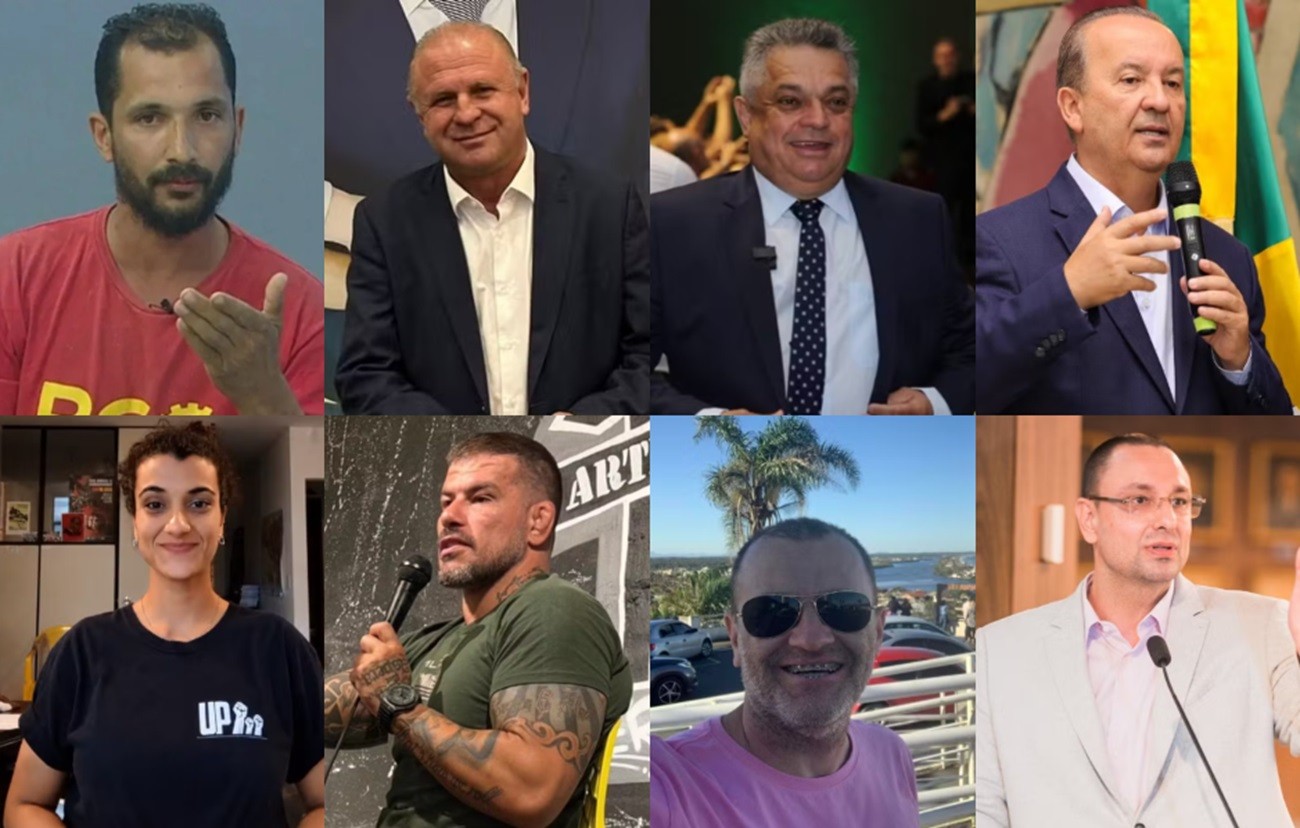
Political parties in Santa Catarina, Brazil, are holding their conventions between July 20 and August 5 to officially nominate candidates for the upcoming elections. At least eight parties have announced pre-candidates for the state's governorship. Participation in these conventions is mandatory for a candidate's registration to be validated by the Electoral Justice system, allowing them to compete. The Unidade Popular (UP) party will hold its convention on July 20, nominating Lais Chaud for governor and Nathália Gomes de Melo for vice, with plans to also field a Senate candidate. The PSB, leading a coalition of left-leaning parties including PDT, PT-PV-PCdoB, and PSOL-Rede, will convene on July 21, presenting Gelson Merísio as their gubernatorial candidate, with Ângela Albino as his running mate. This coalition also intends to nominate Afrânio Boppré and Décio Lima for the Senate. The PSTU's convention is scheduled for July 25, where Marcus Sodré and Tatiana Pasdiora will be nominated for governor and vice, respectively, with the party running independently for the Senate. On August 1, the PSD will announce João Rodrigues as its gubernatorial candidate, supported by right-wing parties like PP, MDB, and União Brasil, with federal deputy Carlos Chiodini as the vice-candidate. This group plans to put forward Esperidião Amin and Antídio Lunelli for the Senate. Also on August 1, the PL party will confirm Jorginho Mello's bid for re-election as governor, with Adriano Silva as his vice-candidate. Their Senate nominees will include federal deputy Carol de Toni and Carlos Bolsonaro. Three parties—Missão (Marcelo Brigadeiro), PCO (Brunno Dias), and PRD/Solidariedade (Ralf Zimmer)—have yet to announce their convention dates. Conventions are crucial for deciding candidates for all elected positions and must adhere to electoral laws, including gender quotas for proportional candidacies.
The approaching convention period signifies a critical juncture in the electoral process, where pre-candidacies transition into official nominations, subject to legal validation. The formation of coalitions and the strategic selection of running mates and Senate candidates highlight the complex interplay of party alliances and political maneuvering. As parties finalize their slates, the outcomes will reflect evolving political landscapes and voter priorities. The adherence to electoral regulations, such as gender quotas, underscores the ongoing efforts to balance representation with strategic campaigning. Future electoral cycles will likely see continued adaptation to digital campaigning and data analytics, influencing candidate selection and voter engagement strategies.
AI-generated to prompt reflection — not editorial opinion, not advice, not a statement of fact. How this works.