Santa Catarina proposes $100 bounty for wild boar kills to control invasive species
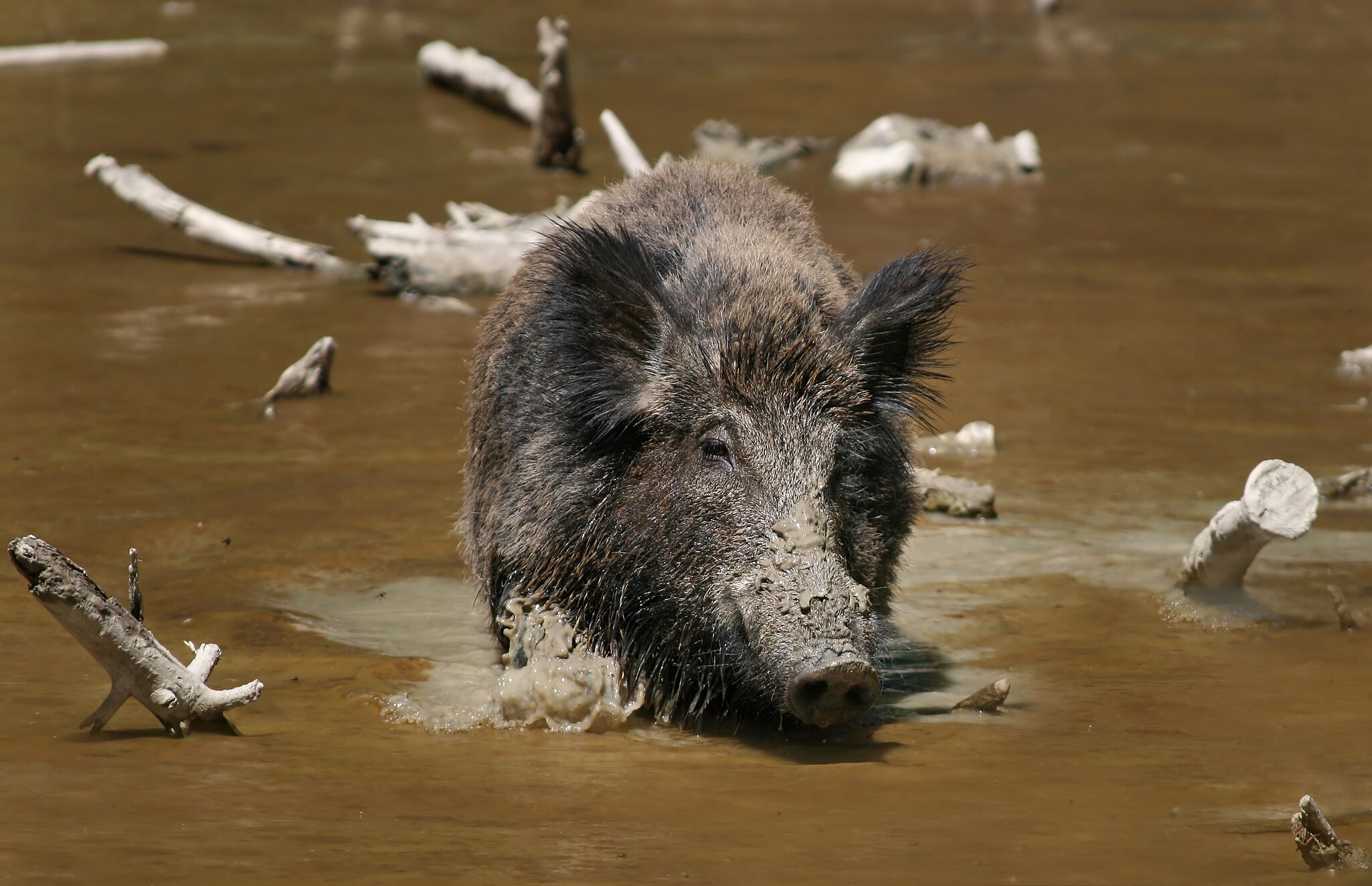
The state of Santa Catarina in Brazil has advanced a legislative proposal to offer a R$100 incentive for each wild boar (Sus scrofa) killed. This initiative aims to control the population of this invasive exotic species, which has been authorized for management by the Brazilian Institute of Environment and Renewable Natural Resources (Ibama) since 2013. Santa Catarina also has its own state policy on the matter, Law No. 18.817, enacted in 2023, which permits the "sustainable management of the European wild boar." The proposed bill, approved by the Legislative Assembly of Santa Catarina (Alesc) on Wednesday, May 15th, now awaits the governor's sanction to become law. The wild boar is recognized by Ibama and the Santa Catarina Environmental Institute (IMA-SC) as detrimental to native fauna, flora, agricultural production, and public health. Its uncontrolled proliferation is considered a significant agricultural pest in Santa Catarina, causing extensive damage to crops like corn, beans, soybeans, and wheat, as well as pastures and livestock. Wild boars reproduce rapidly, with females typically having two litters per year, each with around eight piglets. The current legal framework allows for population control through culling, provided specific requirements are met. Individuals or legal entities can obtain authorization for wild boar management from Ibama by registering in the Federal Technical Cadastre (CTF) and using the Integrated Wildlife Management System (Simaf). The proposed incentive program would require proof of regular culling and authorization from landowners. The executive branch may also establish partnerships with municipalities and entities, and define priority regions based on infestation levels.
This legislative move in Santa Catarina reflects a pragmatic approach to managing an ecological and economic challenge posed by an invasive species. By offering financial incentives, the state seeks to leverage citizen participation in population control, acknowledging the significant agricultural damage caused by wild boars. This strategy highlights a common tension between ecological management and economic impact, particularly in agricultural regions. The program's success will likely depend on effective regulation to ensure humane practices, prevent misuse, and verify the authenticity of claims, while also considering the long-term ecological implications of significantly reducing the wild boar population. Future policy may need to balance immediate control measures with sustainable ecosystem health and explore integrated pest management strategies that go beyond culling.
AI-generated to prompt reflection — not editorial opinion, not advice, not a statement of fact. How this works.