Santa Catarina's Reforestation Boosted by "Plano Safra" Seedling Production Support
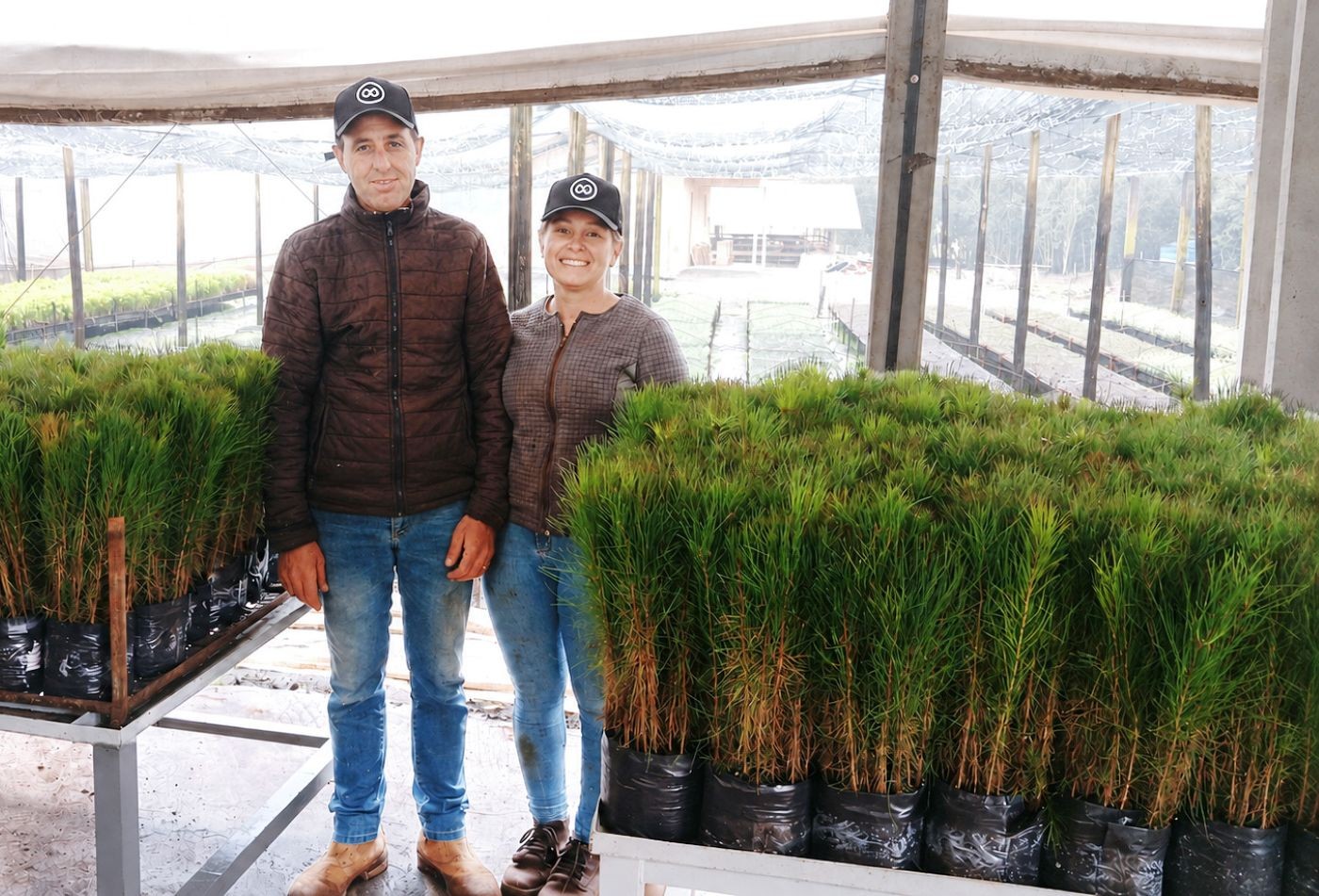
Santa Catarina, Brazil, is enhancing its significant reforestation efforts, which are crucial for one of its key productive chains. The state boasts the largest planted area of pine in Brazil, covering 714,000 hectares, alongside 325,000 hectares of eucalyptus, according to the 2025 Forest Base Statistical Yearbook. The Serrana and Oeste regions are the primary hubs for these planted forests, accounting for 59% of the state's cultivated area. Rafael Mayer, a seedling producer with 18 years in the sector, cultivates around 700,000 pine, eucalyptus, and yerba mate seedlings annually at his Mayer Plantas nursery in Iomerê, Santa Catarina. These seedlings primarily supply rural producers and forestry companies within the state. Mayer expanded his nursery operation, initially to support his family's reforestation land, and now serves clients across Santa Catarina. He utilized the "Plano Safra" credit line for operating costs to purchase seeds, a critical input for his nursery. This financing allowed him to acquire certified seeds, particularly for pine, from leading market suppliers at an opportune time, enabling better planning and negotiation. Access to credit is vital for securing inputs during specific purchasing windows, ensuring cost efficiencies and a consistent supply for seedling production throughout the year. Gilson Panceri Junior, president of Cresol Ativa, highlighted that "Plano Safra" supports diverse agricultural activities, including reforestation, aligning with Cresol's commitment to rural development and environmental preservation through tailored financial solutions. Launched in 2003, "Plano Safra" is a major initiative supporting Brazilian agribusiness with credit for operations, investment, and modernization. Cresol is featuring this program in a special series detailing its financing options and how producers leverage these resources.
The "Plano Safra" initiative in Santa Catarina demonstrates a targeted financial mechanism designed to bolster a specific agricultural sector—reforestation—by addressing critical input costs like seeds. This approach leverages credit lines to ensure timely procurement of certified materials, thereby potentially improving the quality and scale of seedling production. The program's success hinges on its ability to integrate with broader environmental and economic development goals, fostering a sustainable supply chain for forestry products. Looking ahead, the effectiveness of such programs will be increasingly evaluated by their contribution to climate resilience, carbon sequestration targets, and the long-term viability of rural economies in the face of evolving market demands and environmental pressures. Ensuring equitable access to these financial tools across different scales of producers remains a key consideration for sustained impact.
AI-generated to prompt reflection — not editorial opinion, not advice, not a statement of fact. How this works.