Santa Catarina to Pay $100 Per Wild Boar Killed Under New Bill
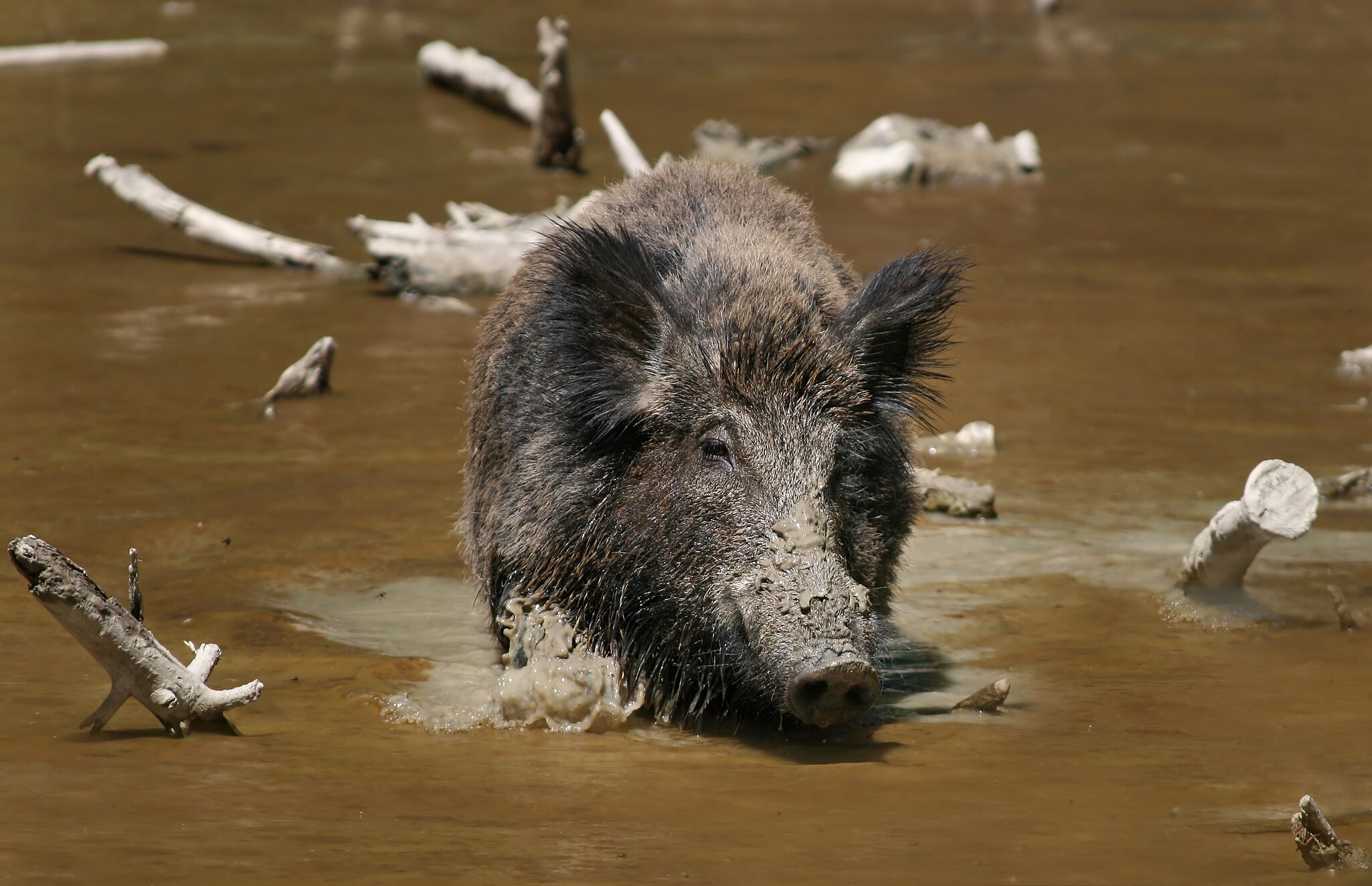
The Legislative Assembly of Santa Catarina (Alesc) in Brazil has approved a bill proposing a payment of R$100 for each wild boar (Sus scrofa) culled within the state. This measure aims to address the proliferation of this invasive species, which is considered detrimental to agriculture due to its unchecked growth and lack of natural predators. The bill, authored by Deputy Camilo Martins, still requires the governor's sanction to become law. The proposed program, named the European Wild Boar Financial Incentive Program, intends to compensate individuals and registered entities for the costs associated with population control, not to remunerate hunting itself. Recipients must be registered with environmental agencies and authorized for species management. To receive the payment, proof of regular culling and, for private properties, authorization from the landowner will be necessary. The bill, identified as PL 287/2026, does not specify the financial impact or the exact payment procedures. While three legislative committees, including Constitution and Justice, Finance, and Agriculture, approved the bill, the Environment and Sustainable Development committee expressed reservations. They argued that financial incentives alone do not guarantee sustainable population reduction or environmentally proportional results for public funds invested. The Federation of Agriculture and Livestock of Santa Catarina (Faesc) supports the initiative, highlighting the damage wild boars cause to crops and the risks they pose to public safety. The state permits wild boar hunting and management exclusively for population control, particularly in areas near araucaria forests where they damage crops, especially for small producers.
This legislative proposal in Santa Catarina reflects a common challenge in managing invasive species where ecological disruption intersects with economic interests. By offering financial incentives for culling, the state aims to mitigate agricultural damage and potentially reduce ecological impact. However, the environmental committee's concerns highlight a critical trade-off: the effectiveness and sustainability of such programs versus their cost and potential for unintended consequences. Future policy design could explore integrated pest management strategies that combine incentives with habitat management, biological controls, and robust monitoring to ensure public funds yield proportional environmental benefits. Evaluating the long-term ecological and economic outcomes will be crucial for adapting this approach in the face of evolving environmental pressures and resource allocation.
AI-generated to prompt reflection — not editorial opinion, not advice, not a statement of fact. How this works.