Santa Inês Residents Complain of Muddy Water in Sabbak Neighborhood
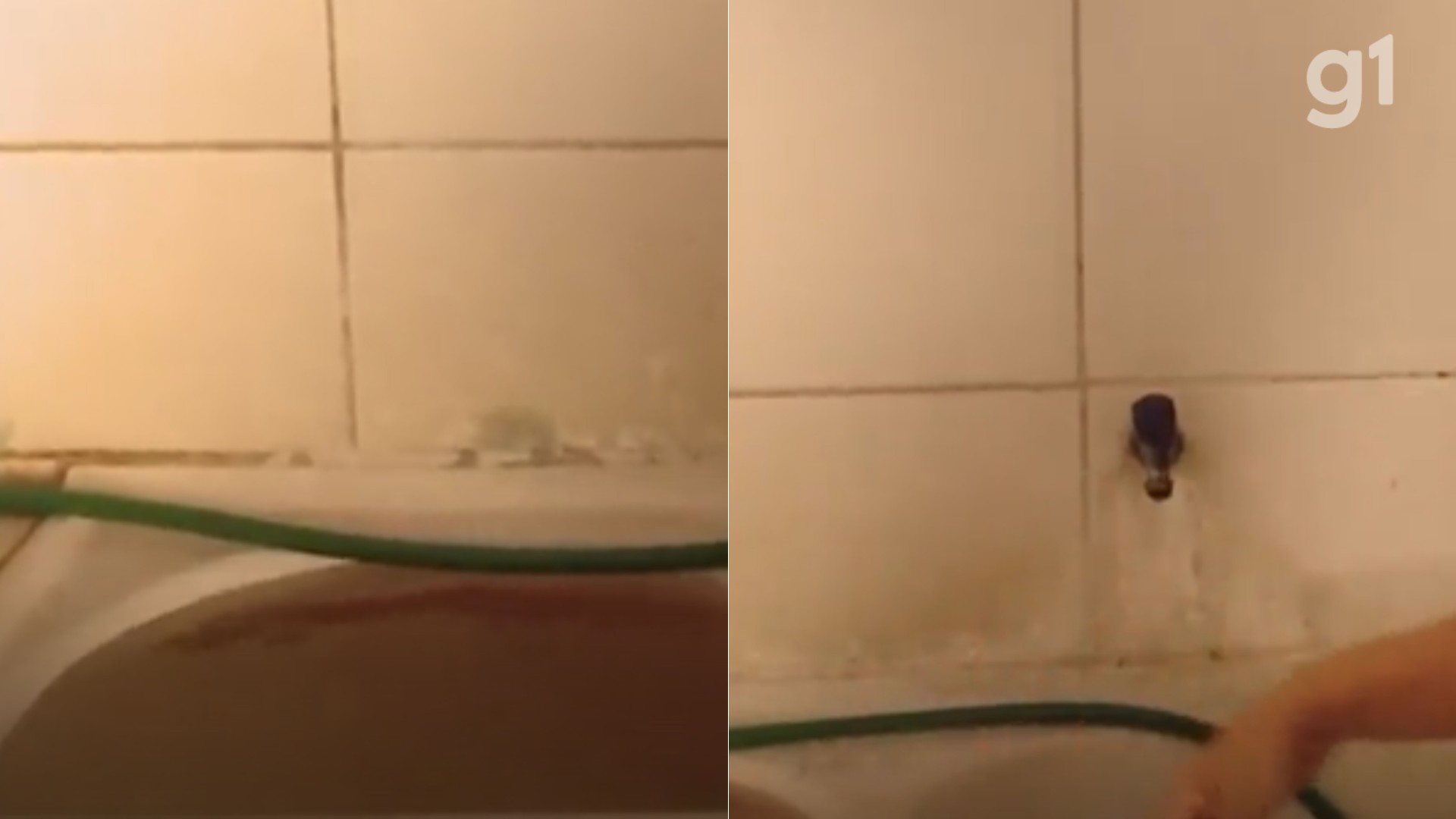
Residents of the Sabbak neighborhood in Santa Inês, located 252 km from São Luís, are experiencing a severe issue with muddy water. The problem has disrupted family routines for over five days, with water arriving at taps with a murky appearance, rendering it unusable for laundry, cooking, and other domestic tasks. Resident Renata Macedo shared that she has had to go to another person's house to do laundry for more than five days. She now relies solely on bottled water for food preparation. Macedo described how clothes washed in the muddy water turned red, and that residents must wait for the sediment to settle in buckets to use the murky water, which is still unfit for consumption or use. Emily Portela, another resident, noted that this is not the first time the neighborhood has faced this problem. She highlighted the significant inconvenience, especially for households with children and elderly individuals, calling the situation frustrating given the high cost of water. The Companhia de Saneamento Ambiental do Maranhão (Caema) has acknowledged the issue and stated that measures are being taken to resolve it promptly. The company anticipates that water quality will gradually normalize and is monitoring the situation until a full resolution is achieved, with an expectation of service regularization soon.
The recurring issue of muddy water in Santa Inês's Sabbak neighborhood points to potential systemic challenges in the local water infrastructure or management by Caema. While Caema has acknowledged the problem and promised swift resolution, the repeated nature of such disruptions suggests a need for a deeper examination of maintenance protocols, source water quality monitoring, and investment in infrastructure upgrades. Residents' reliance on bottled water and the impact on daily life underscore the critical importance of reliable water services. Future strategies should focus on proactive maintenance and transparent communication to rebuild public trust and ensure consistent water quality, aligning with the growing societal expectation for resilient public utilities in the face of environmental and operational pressures.
AI-generated to prompt reflection — not editorial opinion, not advice, not a statement of fact. How this works.