Santa Maria Hit by Over 600 Lightning Strikes in 24 Hours
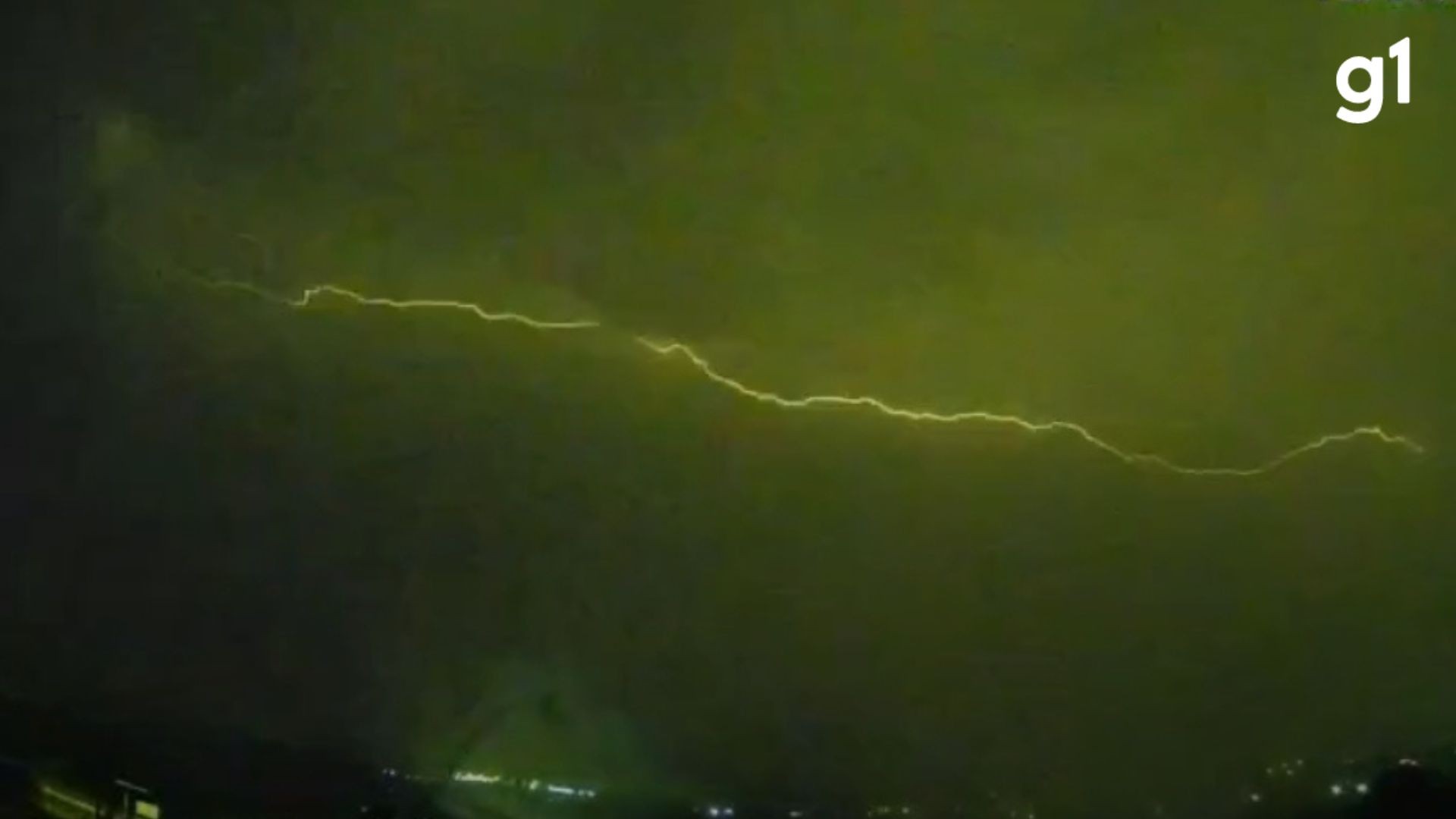
Santa Maria, located in the Central Region of Rio Grande do Sul, experienced significant weather activity between Sunday morning, May 19th, and Monday morning, May 20th, due to a cold front. During this 24-hour period, the city recorded 665 electrical discharges, commonly known as lightning strikes. These figures were meticulously tracked by the meteorological station of the Bate-Papo Astronômico project, situated at the Santa Maria Tecnoparque in the city's western zone. The monitoring system utilizes radiofrequency to detect lightning up to 40 kilometers away. Prior to the cold front's arrival, Santa Maria already faced wind gusts reaching 53 km/h. By early Monday morning, the accumulated rainfall in the municipality reached 47 millimeters, coinciding with a 10°C drop in temperature. Other areas in Rio Grande do Sul also saw substantial rainfall, with Quaraí accumulating 154 mm, São Gabriel 141 mm, and Alegrete 140 mm between Sunday and Monday morning. The forecast indicates the cold front will continue its advance across Rio Grande do Sul, maintaining unstable weather conditions throughout Monday, with a risk of thunderstorms. Heavy rainfall poses dangers of flooding, flash floods, and overflowing streams. Strong winds, potentially up to 90 km/h, could lead to fallen trees, roof damage, and power outages. On Tuesday, May 21st, instability is expected to concentrate in the northern half of the state, bringing rain, thunderstorms, hail, and wind gusts up to 80 km/h to cities in the Northwest, North, Planalto, and Serra regions, as well as northern areas of the Metropolitan Region.
The intense weather event in Santa Maria, characterized by over 600 lightning strikes and significant rainfall, highlights the increasing frequency and severity of extreme weather phenomena. This underscores the critical need for robust public infrastructure and early warning systems capable of mitigating risks associated with rapid meteorological shifts. As climate patterns evolve, communities must adapt by enhancing resilience against floods, high winds, and power disruptions. The event serves as a reminder of the interconnectedness of environmental factors and urban preparedness, prompting a reevaluation of land-use planning and building codes to better withstand future climatic challenges. Understanding the dynamics of such weather systems is crucial for developing long-term strategies that balance development with environmental sustainability.
AI-generated to prompt reflection — not editorial opinion, not advice, not a statement of fact. How this works.