Santa Rita, Brazil, Ranks Among Nation's Top 10 Most Violent Cities
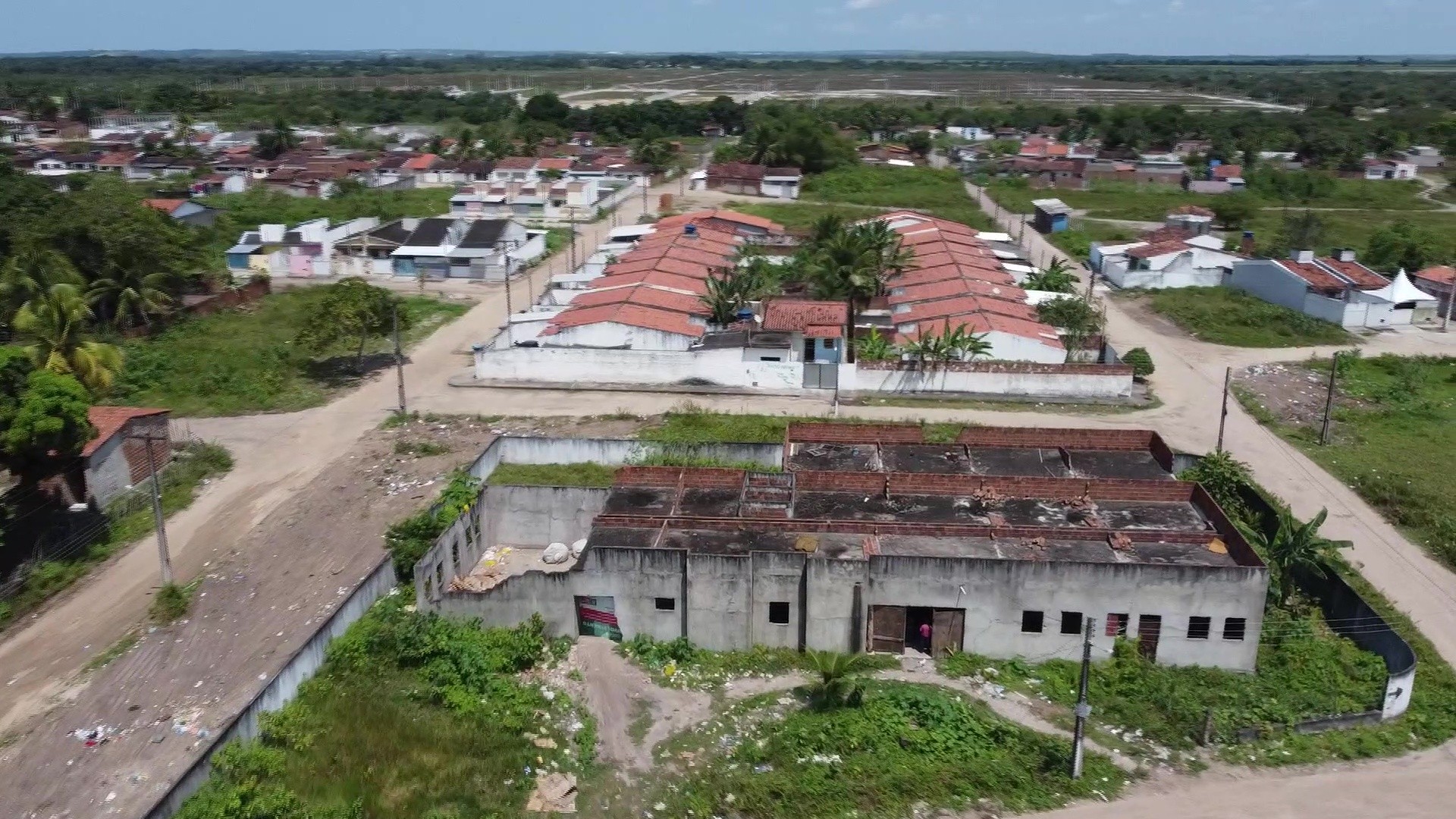
Santa Rita, located in the Greater João Pessoa area of Paraíba, Brazil, has been identified as the ninth most violent city in the country, according to the 2026 Brazilian Public Security Yearbook, which uses data from 2025. This marks a significant increase in violence, as the city was not even among the top 20 in the previous year. With a population exceeding 149,900, Santa Rita recorded a rate of 60.9 violent deaths per 100,000 inhabitants. The report attributes this surge to territorial disputes between criminal factions. The city's strategic location near the Port of Cabedelo infrastructure is cited as a factor that intensifies conflicts over area control for illicit groups. Furthermore, the presence of federal highways like BR-101 and BR-230, which facilitate the transport of illegal goods from the Amazon, contributes to the criminal dynamics. Within Paraíba, the state recorded a rate of 24.6 intentional violent deaths per 100,000 inhabitants in 2025. Other cities in Paraíba included João Pessoa at 74th nationally (27.6 deaths per 100,000), Patos at 96th (23.1 deaths per 100,000), and Campina Grande, which had the lowest rate among analyzed Paraíba municipalities at 8.1 deaths per 100,000, ranking 261st nationally. The ten most violent cities in Brazil are all located in the Northeast region, with half of them in Bahia, and Maranguape, Ceará, leading the list for the second consecutive year with a rate exceeding 100 violent deaths per 100,000 inhabitants.
This report highlights a concerning trend of escalating violence in specific Brazilian municipalities, particularly in the Northeast region. The data suggests that factors such as intense competition between criminal organizations, facilitated by strategic geographic locations and transportation networks, are primary drivers of violent crime. The analysis points to systemic vulnerabilities, including the intersection of critical infrastructure like ports and major highways with illicit economies, creating fertile ground for conflict. Future policy considerations might involve enhanced inter-agency cooperation, targeted infrastructure security, and community-based violence prevention programs to address the complex interplay of urban development, criminal governance, and public safety. Understanding these dynamics is crucial for developing sustainable strategies to mitigate violence over the next decade, especially as technology and globalization continue to shape criminal enterprises and their operational environments.
AI-generated to prompt reflection — not editorial opinion, not advice, not a statement of fact. How this works.