Santana's Círio Draws Hundreds in Santarém, Pará
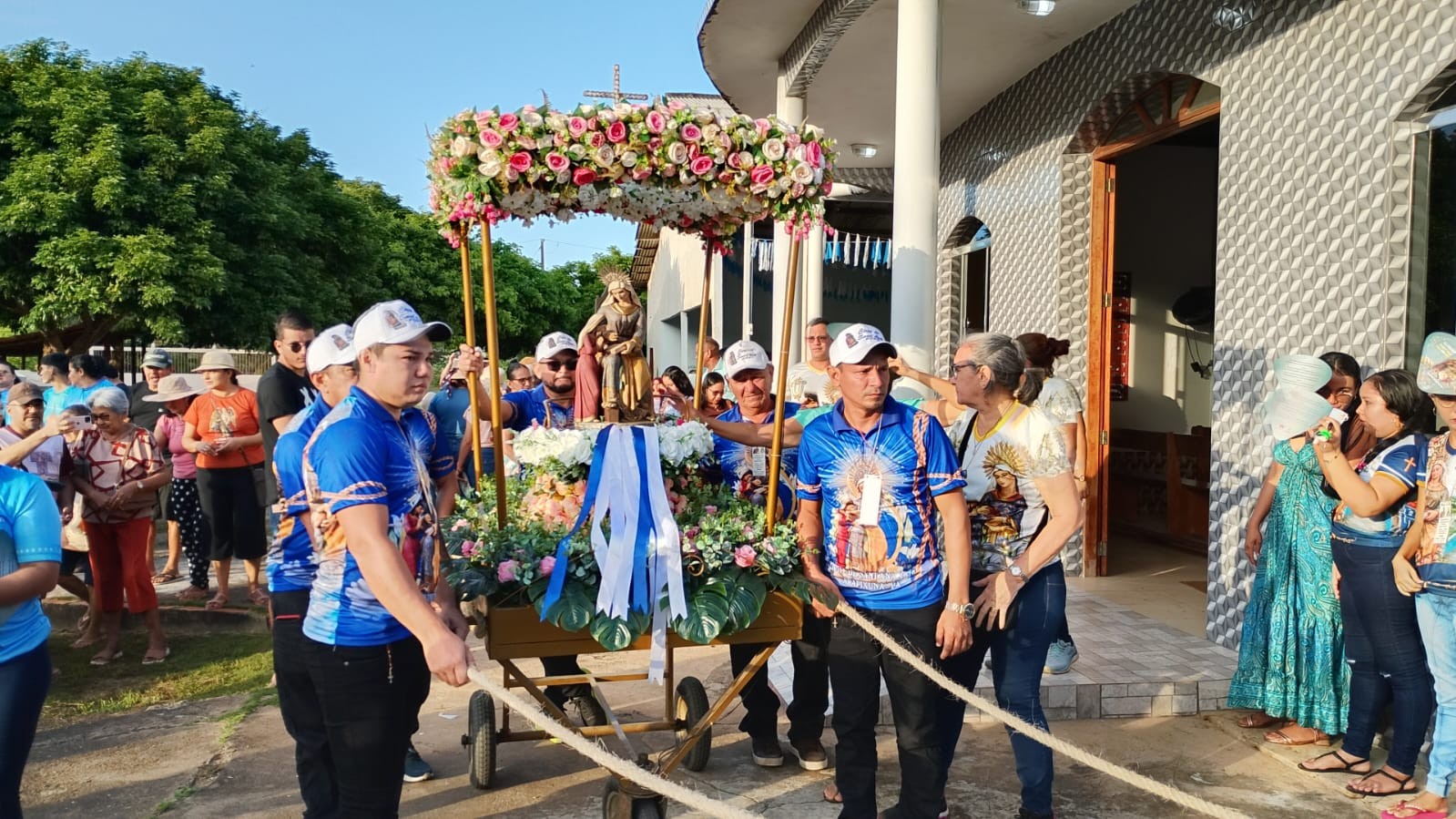
Hundreds of faithful gathered on Sunday, July 19th, for the traditional Círio de Santana in the Arapixuna district of Santarém, located in western Pará, Brazil. This procession marks the beginning of the local patron saint's festivities. The event commenced with a procession from the Laranjal community early in the morning, proceeding towards the main church in Arapixuna village. A large open-air mass concluded the walk around 10:40 AM. The celebration attracts residents from neighboring communities and those who have moved to urban areas but return for the occasion. Santarém's Deputy Health Secretary, Irlaine Figueira, expressed her personal connection to the district and the cultural significance of the Sant'Ana festivities. Santarém's Mayor, Zé Maria Tapajós, participated in the procession, noting the strong public turnout and the joyful atmosphere of the Catholic pilgrimage. The festivities are being held in the local square with support from the Military Police. Madalena Garcia, representing the event's coordination, extended an invitation for continued participation in the week-long activities, which include nightly celebrations. The full program features daily masses, a local fair (arraial), and cultural events, with the official closing scheduled for Sunday, July 26th.
This event highlights the enduring role of religious festivals in fostering community identity and social cohesion in regions like western Pará. The strong participation from local officials and residents underscores the cultural and traditional importance of the Círio de Santana. From a systems perspective, such events serve as vital social infrastructure, reinforcing community bonds and providing a platform for collective expression. Looking ahead, the integration of digital platforms for event promotion and engagement, as hinted by the WhatsApp channel mention, could offer new avenues for broader reach and sustained community involvement beyond the physical gathering. The interplay between tradition, community, and evolving communication technologies will likely shape the future of these cultural celebrations.
AI-generated to prompt reflection — not editorial opinion, not advice, not a statement of fact. How this works.