Santander Region Faces Water Crisis as Four Major Rivers Drop Below 50% Capacity
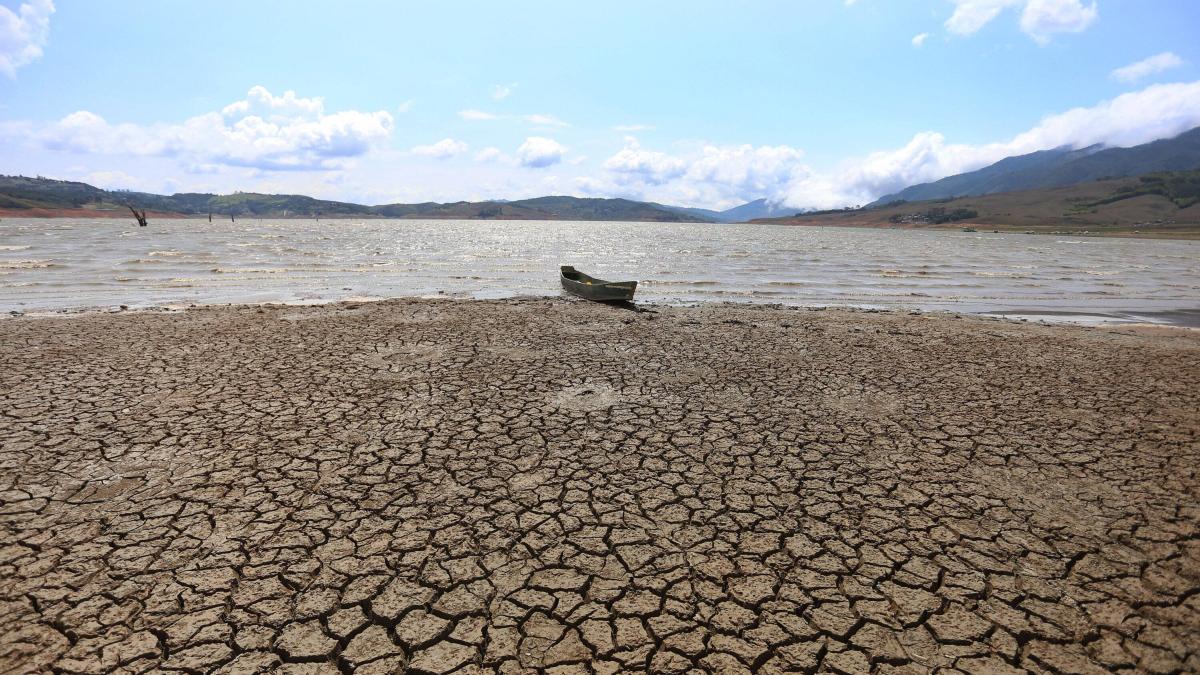
The Santander region in Colombia is on high alert due to critically low water levels in four of its major rivers. These rivers are currently operating at less than 50% of their normal capacity, raising significant concerns for water availability. The situation is exacerbated by a projected 81% probability of a strong El Niño event occurring between October and December. This intensified climate pattern is expected to further reduce rainfall, potentially worsening the drought conditions across the region. Local authorities are urging residents and industries to conserve water as the situation develops. The low river flow poses a threat to agriculture, energy production, and daily water supply for communities. The government is monitoring the situation closely and considering mitigation strategies. The potential impact on the region's economy and environment is substantial. Further updates will be provided as the situation evolves.
The current low river levels in Santander, exacerbated by the anticipated strong El Niño, highlight the region's vulnerability to climate-induced water scarcity. This situation underscores the critical need for robust water management strategies that account for predictable climate patterns and promote long-term water security. Diversifying water sources, investing in water-efficient infrastructure, and implementing adaptive agricultural practices will be crucial for resilience. The interplay between climate change and water resource management presents a systemic challenge, demanding proactive governance and community engagement to mitigate future risks and ensure sustainable development over the next decade.
AI-generated to prompt reflection — not editorial opinion, not advice, not a statement of fact. How this works.