Santarém, Brazil Regulates Marching Band Rehearsals, Restricting Sundays and Hospital Proximity
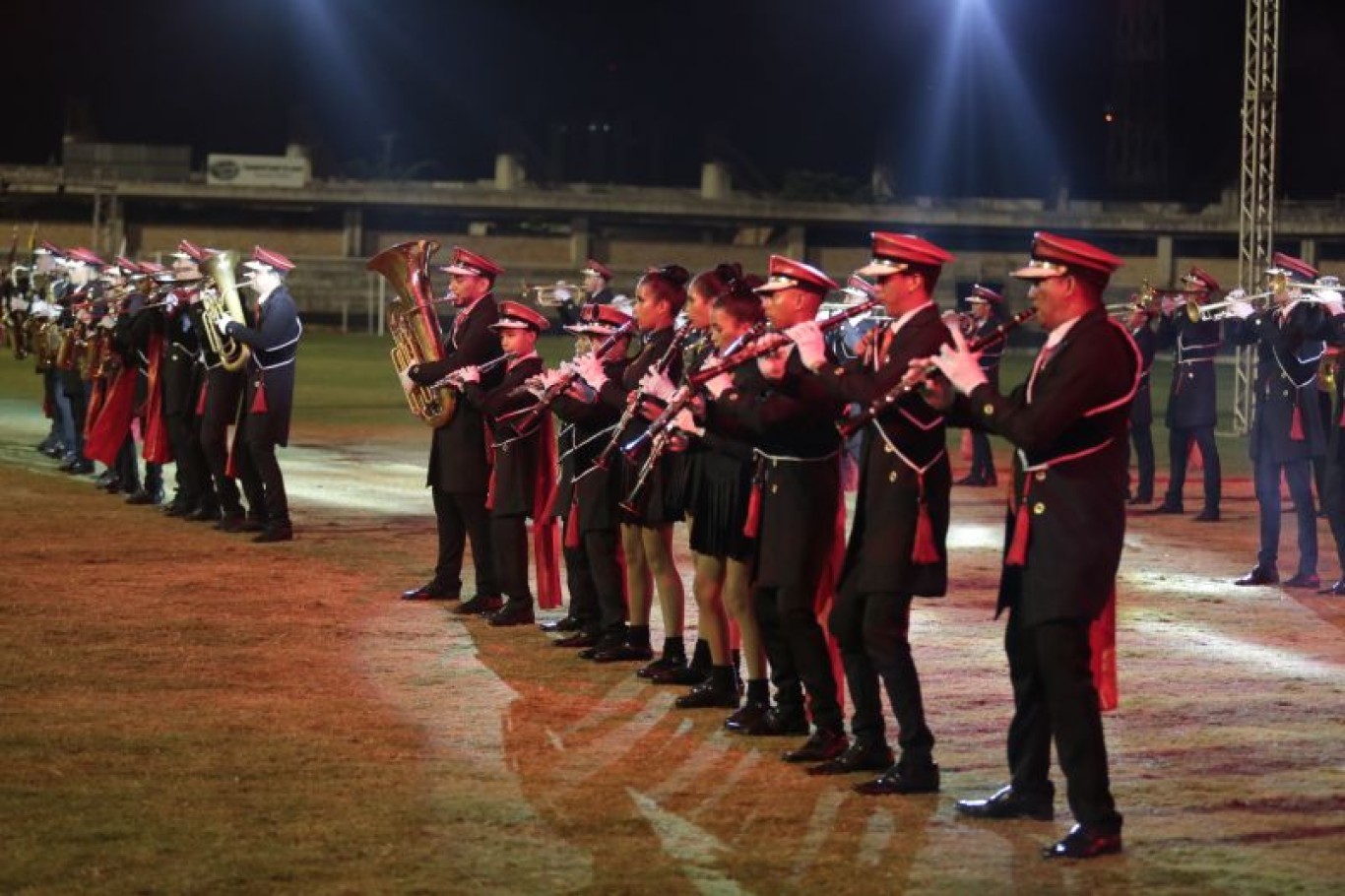
The Municipality of Santarém, in Pará, Brazil, has established regulations for marching band and fanfare rehearsals in preparation for the 2026 civic parades. Published on Tuesday, March 21st, the ordinance (Portaria nº 26/2026) by the Municipal Secretariat of Environment (Semma) outlines the permitted period, specific hours, and crucial restrictions for these activities. The primary goals are to mitigate noise pollution and ensure public tranquility. Rehearsals are authorized from July 27th to September 25th, exclusively between Monday and Saturday, with two daily time slots: 9 AM to 11 AM and 4 PM to 8 PM. Crucially, rehearsals on Sundays and public holidays are strictly prohibited. The ordinance also designates sensitive locations where rehearsals are forbidden, including areas near hospitals, health units, daycare centers, schools during academic terms, churches during services, elderly care facilities, public offices during business hours, and sites of historical, cultural, or tourist significance. These measures aim to reduce disturbances from excessive noise and promote peace in these sensitive zones. Collective rehearsals on public streets require prior authorization from traffic and urban mobility authorities, and potentially the Municipal Secretariat of Urbanism and Public Services (Semurb). Non-compliance with these regulations may lead to administrative actions, including environmental infraction notices and potential civil and criminal liabilities. This new ordinance replaces the previous one that governed band rehearsals throughout 2025 and took effect immediately upon publication.
This municipal ordinance in Santarém addresses the common urban challenge of balancing public events with residents' right to peace and quiet, particularly in sensitive areas. By setting defined rehearsal periods and restricting proximity to hospitals and schools, the municipality aims to improve quality of life and minimize public nuisance. The regulation reflects a growing awareness of sound pollution's impact on health and well-being. Future considerations for urban planning might involve exploring designated soundproofed rehearsal spaces or implementing advanced noise mitigation technologies to accommodate cultural activities without compromising public health, especially as cities continue to grow and density increases.
AI-generated to prompt reflection — not editorial opinion, not advice, not a statement of fact. How this works.