Santarém inaugurates 24/7 mental health center, CAPS III
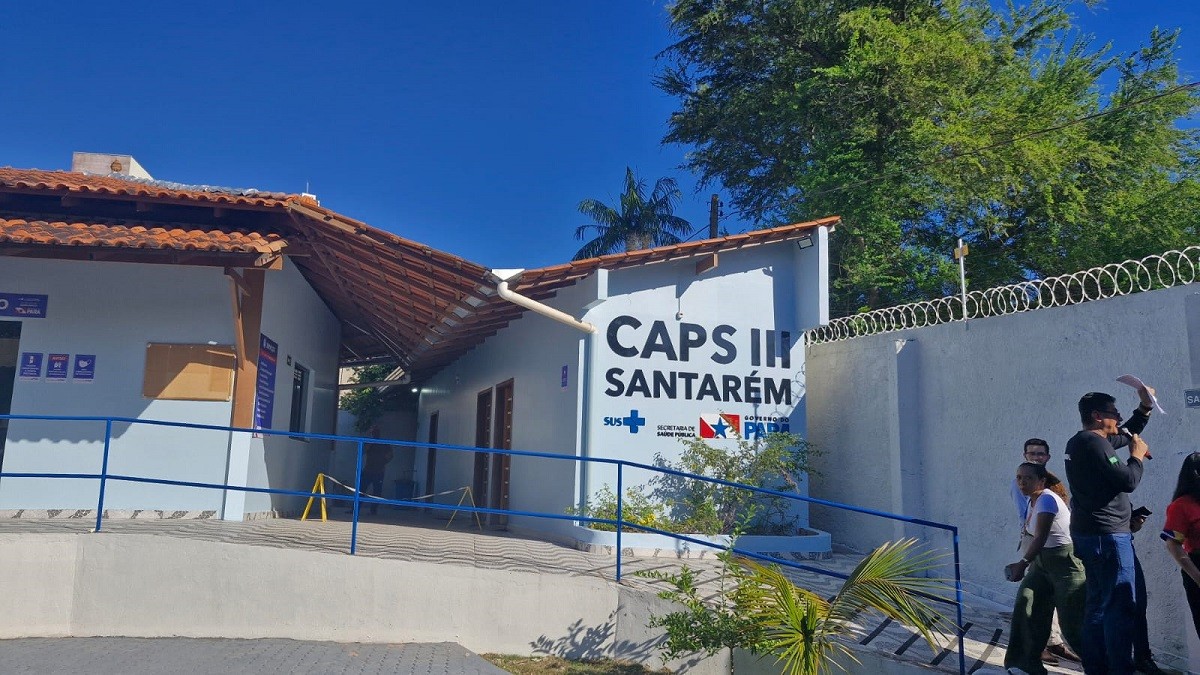
Santarém, a municipality in western Pará, Brazil, has launched a new 24-hour mental health center, known as CAPS III (Centro de Atenção Psicossocial). This specialized service aims to provide continuous care for individuals experiencing mental distress. The CAPS III unit expands local assistance by offering overnight, weekend, and holiday support, along with six observation beds for users requiring intensive monitoring. The center's coordinator, Ellinger Almeida, clarified that CAPS III is not a hospital and does not perform admissions; instead, it focuses on psychosocial care with a humanized approach. Patients are accepted either spontaneously or through referrals, with an evaluation to ensure their profile matches the unit's services. The upgrade from CAPS II to CAPS III was prompted by Santarém meeting the Ministry of Health's population criteria for such services, which is for municipalities exceeding 200,000 inhabitants. A key improvement is the uninterrupted operation, addressing the previous difficulties in accessing specialized care during nights, weekends, and holidays. Almeida highlighted the increased need for such services due to a rise in mental health issues, emphasizing the importance of ethical and professional care. Since the establishment of the former CAPS II in 2005, over 12,000 patients have been registered, with approximately 2,000 currently receiving monthly follow-up. The CAPS III is managed by the Government of Pará through the State Secretariat of Public Health (Sespa) and is expected to bolster the Psychosocial Care Network by providing continuous support and reducing the need for referrals to more complex services.
The establishment of a 24-hour CAPS III in Santarém addresses a critical gap in mental healthcare accessibility, particularly during non-traditional hours. This expansion reflects a growing recognition of mental health as a public health priority, aligning with national guidelines for municipalities of Santarém's size. The shift from a CAPS II to a CAPS III signifies a commitment to providing more comprehensive and integrated psychosocial support, aiming to reduce reliance on higher-level care facilities. Future evaluations could assess the impact of this continuous service model on patient outcomes, emergency room utilization, and the overall strain on the local healthcare system. The initiative also highlights the importance of adapting public health infrastructure to evolving societal needs, especially in regions experiencing population growth and increased awareness of mental health challenges.
AI-generated to prompt reflection — not editorial opinion, not advice, not a statement of fact. How this works.