Santarém Municipal Hospital Becomes First in Pará to Earn Teaching Hospital Certification
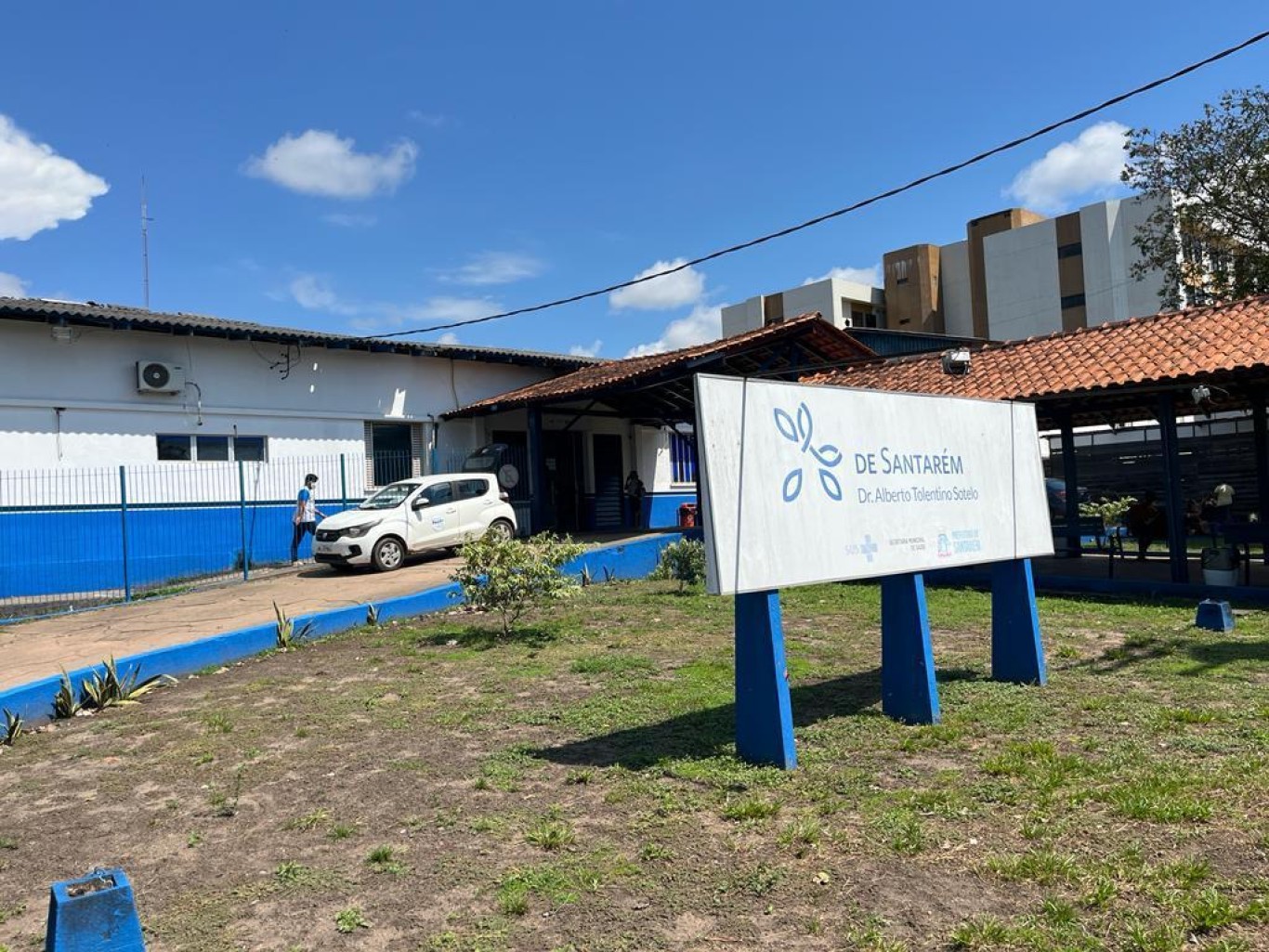
The Municipal Hospital of Santarém (HMS), named Dr. Alberto Tolentino Sotelo, has achieved a significant milestone by becoming the first municipal hospital in Pará to be certified as a Teaching Hospital Level 1. This prestigious recognition was granted by the Ministries of Health and Education and officially published in the Official Gazette of the Union. The certification underscores the hospital's crucial role in training healthcare professionals and strengthening the Unified Health System (SUS). This designation will enhance learning opportunities for students and resident doctors, allowing them to gain practical experience in a facility that handles medium and high-complexity cases. The hospital anticipates that this recognition will lead to improved healthcare services for the population of Baixo Amazonas and surrounding areas. Dra. Lena Peres, a representative from the Ministry of Health, presented the official certification plaque, emphasizing the positive impact on professional development and patient care quality. Mayor José Maria Tapajós stated that the certification validates the HMS's infrastructure and services, solidifying its status as a regional reference for medical residency training. A teaching hospital, or hospital-school, integrates patient care, teaching, and research, with students and residents actively participating in patient treatment under expert supervision. This practical approach within the SUS framework is vital for cultivating new healthcare professionals. The certification followed the HMS's fulfillment of numerous technical and regulatory criteria, confirming its capacity for integrating teaching, research, extension, and care. Additionally, new equipment was delivered to further bolster the hospital's facilities.
The certification of Santarém Municipal Hospital as a Teaching Hospital Level 1 signifies a strategic alignment between healthcare provision and professional development within Brazil's Unified Health System (SUS). This initiative aims to enhance the quality and capacity of healthcare professionals in the Baixo Amazonas region by embedding practical training within a functional hospital environment. By integrating teaching and research with patient care, the program seeks to create a sustainable model for medical education that directly benefits the local population through improved services. This approach can be viewed as a systemic effort to decentralize advanced medical training and address potential disparities in healthcare access and quality between major urban centers and more remote regions. The long-term impact will depend on sustained investment in infrastructure, faculty, and the ongoing integration of evolving medical knowledge and technologies into the curriculum and clinical practice.
AI-generated to prompt reflection — not editorial opinion, not advice, not a statement of fact. How this works.