Santarém Reports 96 Snakebite Incidents in First Seven Months of 2026
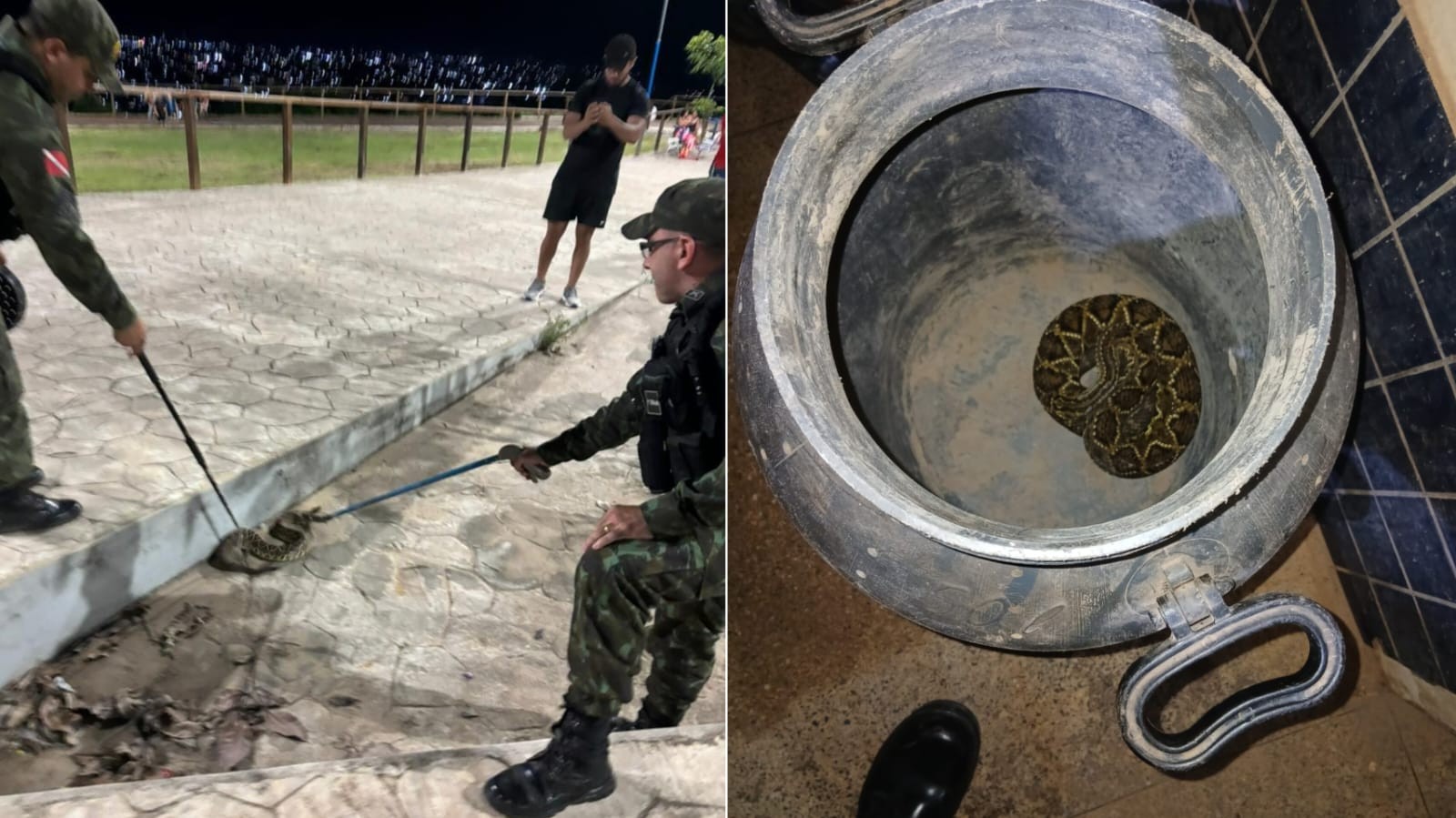
On World Snake Day, Santarém, located in western Pará, Brazil, has recorded 96 venomous snakebite accidents between January and July of 2026. The majority of these incidents occur in rural, riverside, and forest areas, frequented by farmers, fishermen, extractivists, and hunters. The risk is amplified during nighttime due to reduced visibility, increasing the likelihood of encounters with snakes.
Medical professionals emphasize that immediate medical attention following a snakebite is crucial for recovery and minimizing complications. Infectologist João Assy advises against traditional remedies like tourniquets or attempting to suck out venom, as these can worsen the condition and lead to infections. Prompt treatment is vital, especially in remote rural and riverside communities where access to healthcare facilities can be challenging.
Preventive measures, including wearing protective gear like boots and using flashlights during nocturnal activities, are strongly recommended. Júlio Laurido, coordinator of the Mobile Emergency Care Service (Samu), advises washing the bite area with soap and water and seeking medical help immediately. Identifying the snake species is important for administering the correct antivenom, and emergency teams often carry antivenom for initial treatment in remote areas. Snakes play a vital ecological role in controlling rodent populations, and different species like jararacas, rattlesnakes, coral snakes, and surucucus are prevalent in Santarém's varied environments.
The high number of snakebite incidents in Santarém highlights the ongoing public health challenge posed by human-wildlife interaction in areas with significant forest cover. While the report emphasizes immediate medical response and preventive measures, it also implicitly points to systemic issues. The need for emergency teams to carry antivenom in remote areas suggests that access to specialized medical care remains a barrier for isolated communities, underscoring the importance of robust rural healthcare infrastructure. Furthermore, the ecological role of snakes underscores the delicate balance between conservation efforts and human safety, suggesting that integrated land-use planning and community education are essential for mitigating future risks and fostering coexistence in the coming decade.
AI-generated to prompt reflection — not editorial opinion, not advice, not a statement of fact. How this works.