Santarém's 18th Tacacá Festival to Host 20,000 Visitors
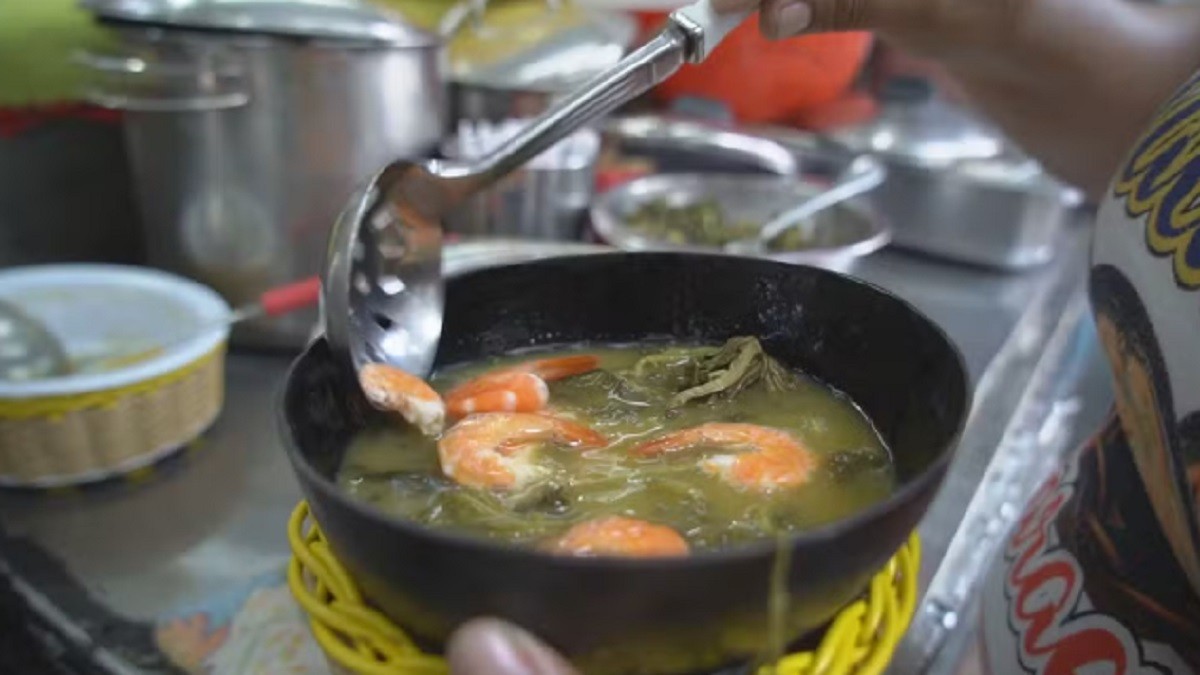
The 18th annual Tacacá Festival is set to take place in the São Braz community of Santarém, Pará, on July 4th and 5th, attracting an estimated 20,000 visitors. This traditional event celebrates Amazonian cuisine, particularly the dish tacacá, while also boosting the local economy and raising funds for community projects. The festival is expected to sell approximately 3,000 bowls of tacacá, double the amount from the previous year. Festivities begin on Saturday, July 4th, at 6 PM with the opening of the food court, followed by a religious rite, an official ceremony, the selection of the Festival Queen, and performances by carimbó and quadrilha junina groups. The evening will conclude with a concert by Sabrina Oliveira and Banda. Sunday, July 5th, starts at 8 AM with a regional breakfast, followed by a traditional lunch featuring free-range chicken at noon. The afternoon will include performances by singer Jairo Costa and the pagode group Chamego, culminating in a bingo game at 5:30 PM. The festival will wrap up with performances by Banda Rithmus and Banda 007 from Belém. Officially part of Santarém's cultural calendar since 2024, the festival has been a significant event for nearly two decades. It is organized in partnership by the São Braz Community Council, São Braz Esporte Clube, and Sociedade Esportiva e Recreativa Juventude, with proceeds supporting community improvements. The São Braz community is located approximately seven kilometers from Santarém's urban center, accessible via Rodovia Everaldo Martins (PA-457).
This festival highlights the economic and cultural significance of traditional culinary events in fostering community development and local economies. The projected increase in tacacá sales suggests growing regional and potentially broader interest in Amazonian gastronomy. The event's organization by local community councils and sports clubs demonstrates a model of grassroots cultural preservation and resource mobilization. As such events gain prominence, considerations around sustainable tourism, equitable economic distribution, and the long-term preservation of cultural practices will become increasingly important. The integration into the official cultural calendar signifies a recognition of these events' value, potentially paving the way for greater support and broader economic impact in the future.
AI-generated to prompt reflection — not editorial opinion, not advice, not a statement of fact. How this works.