Santarém's "Blue Zone" Paid Parking Returns with New Operator and Fees
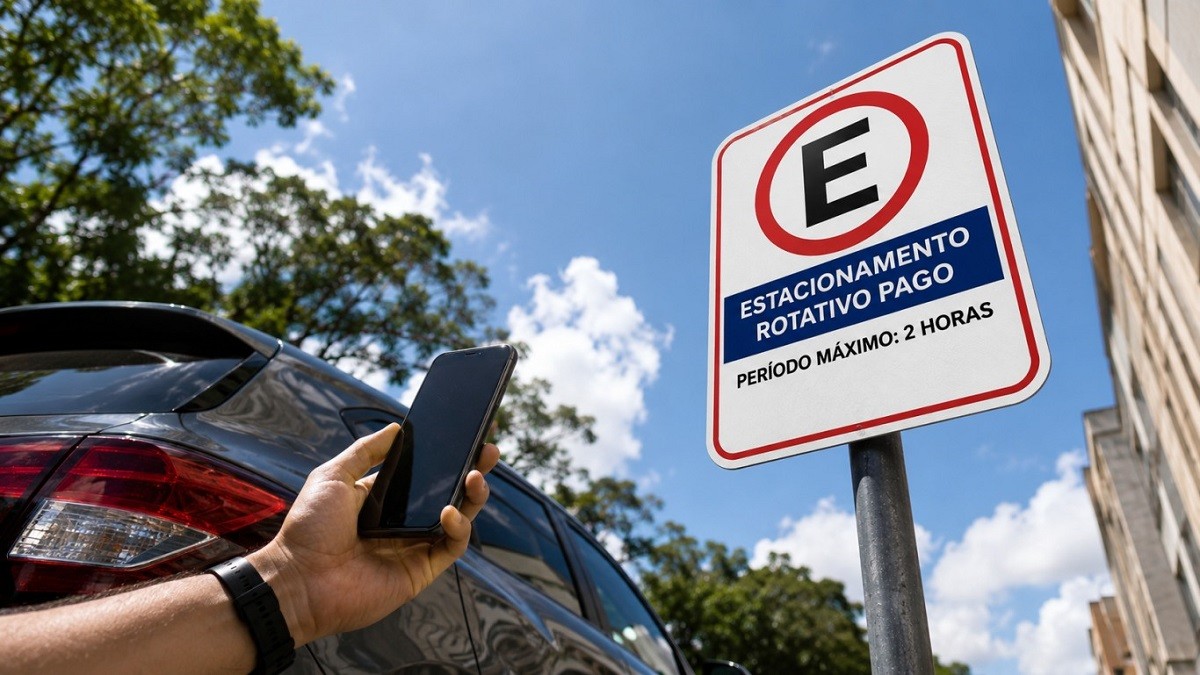
The paid parking system, known as "Zona Azul" or "Blue Zone," is set to resume operations in Santarém, Pará, on Wednesday, October 5th, under the management of a new company, Vaga Azul. The new tariff structure will charge R$2 per 30 minutes for cars and R$1 per 30 minutes for motorcycles. According to the Municipal Government, this initiative aims to increase parking space turnover in the Commercial Center, improve urban mobility, and enhance consumer access to local businesses. The service will operate on weekdays from 8 AM to 6 PM and on Saturdays from 8 AM to 5 PM, with parking remaining free on Sundays and holidays. Users can manage their parking through the "Vaga Azul" mobile application, available on Android and iOS, which allows for credit purchases, time monitoring, and renewals. On-site assistance will be provided by identified monitors and accredited points, including a dedicated customer service office located at Avenida Tocantins, nº 234, in the Santana neighborhood. Municipal Secretary of Mobility and Transit, Marcelino Xavier, stated that the reintroduction of the Blue Zone signifies progress in traffic organization, benefiting commerce and traffic flow. Marcos Williams, Technical Advisor of Engineering at the SMT, emphasized that the system functions as a traffic engineering tool to reduce time spent searching for parking, minimize traffic conflicts, and improve circulation efficiency. Drivers are advised to adhere to signage, respect parking time limits, and utilize the official app or provided service channels.
The reintroduction of Santarém's "Blue Zone" paid parking system, managed by Vaga Azul, reflects a common urban strategy to balance parking demand and supply in commercial areas. The stated goals of increasing turnover, improving mobility, and supporting local commerce are standard justifications for such schemes. The implementation, including mobile app integration and physical support points, aligns with contemporary urban management practices. From a systems perspective, the effectiveness will hinge on enforcement, user adoption of the digital platform, and the actual impact on traffic congestion and commercial activity. Future considerations should include data analysis to assess whether the system achieves its objectives without disproportionately burdening low-income residents or discouraging economic activity, and whether it integrates effectively with broader sustainable transport initiatives.
AI-generated to prompt reflection — not editorial opinion, not advice, not a statement of fact. How this works.
