Santarém's Regional Maternity and Children's Hospital Opens After 13 Years, Beginning Outpatient Services
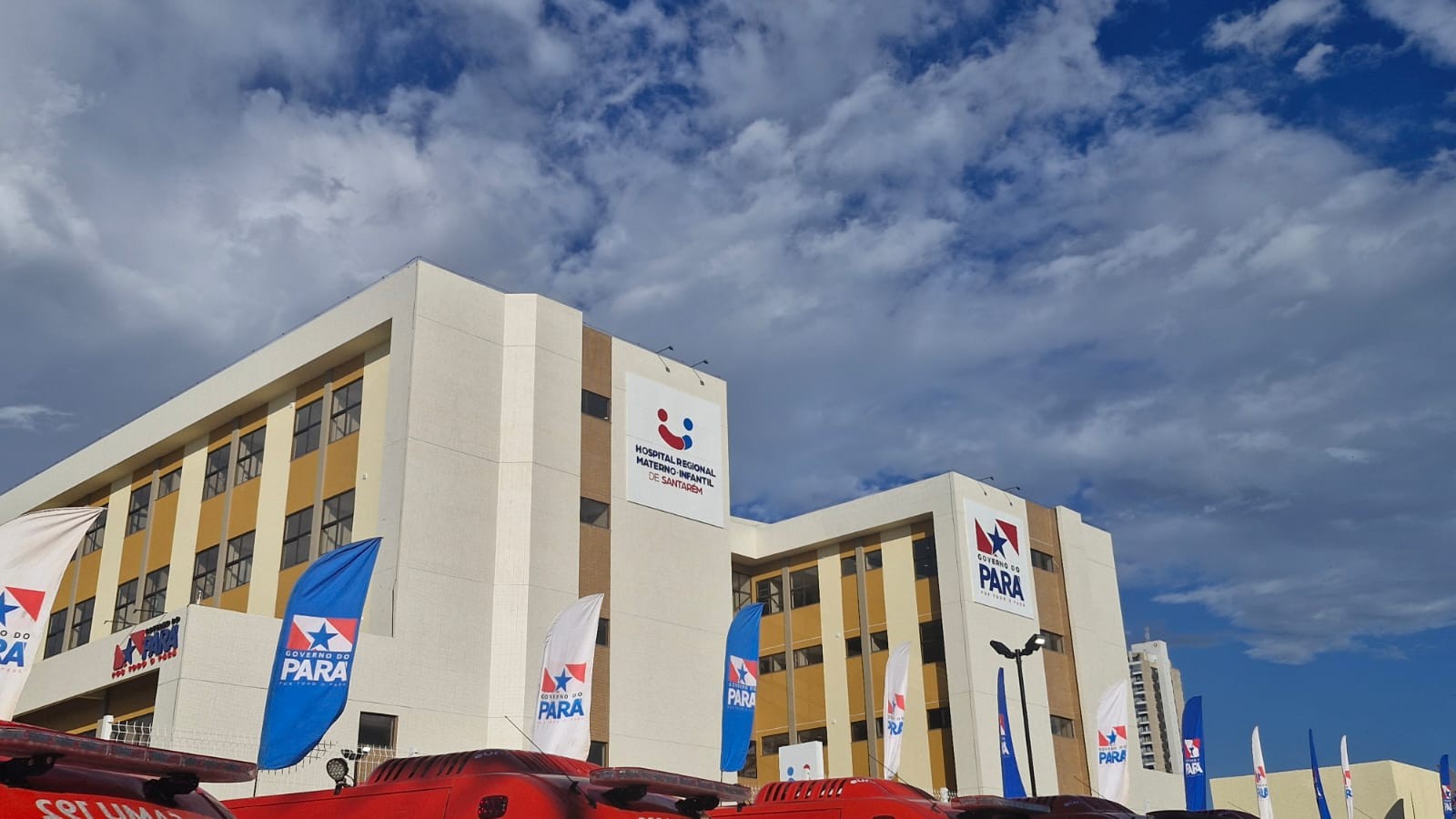
After a 13-year delay, the Dr. Álvaro de Oliveira Duarte Regional Maternity and Children's Hospital in Santarém, Pará, has officially opened its doors. Governor Hana Ghassan presided over the inauguration ceremony on Thursday, February 2nd, marking the commencement of the first operational phase for this significant public health investment in the Baixo Amazonas region. Initially, the hospital will focus on outpatient services and diagnostic support, providing specialized consultations and mid-to-high complexity exams. In this initial phase, the facility is equipped to handle approximately 1,380 consultations monthly across 22 specialties and up to 15,346 diagnostic tests per month, including ultrasounds, X-rays, and various other laboratory and imaging procedures. Governor Ghassan emphasized the next critical step is to fully operationalize the entire facility with high-quality standards and to prioritize local workforce recruitment and training. The hospital's construction, initiated around 13 years ago through a federal and municipal agreement, experienced numerous interruptions and changes in contractors before the state government took over its completion. Once fully operational, the hospital will feature 121 beds, including adult, neonatal, and pediatric ICUs, intermediate care units, isolation beds, and a Normal Delivery Center. It will also house a surgical center, obstetrics center, human milk bank, emergency obstetric and pediatric care, and eight labor and delivery rooms. The facility is designed to serve pregnant women, new mothers, newborns, and children from across the Baixo Amazonas region, aiming to reduce patient transfers to Belém and bolster maternal and child healthcare in western Pará.
The delayed inauguration of Santarém's Regional Maternity and Children's Hospital after 13 years highlights systemic challenges in public infrastructure project execution, including funding continuity, contractor management, and intergovernmental coordination. The transition of responsibility from federal/municipal to state oversight underscores the importance of centralized leadership in overcoming long-standing obstacles. The stated goal of decentralizing specialized care and reducing patient transfers to the state capital, Belém, addresses a critical regional equity issue. Future operational success will depend on sustained state commitment to efficient management, adequate staffing with trained local professionals, and robust quality assurance protocols, particularly as the facility scales up to full capacity. This project's trajectory offers a case study in the complexities of delivering essential public services in geographically dispersed regions, with potential lessons for other states facing similar developmental hurdles in the coming decade.
AI-generated to prompt reflection — not editorial opinion, not advice, not a statement of fact. How this works.