Santarém Sees 233% Surge in Vegetation Fires Ahead of Amazon Summer
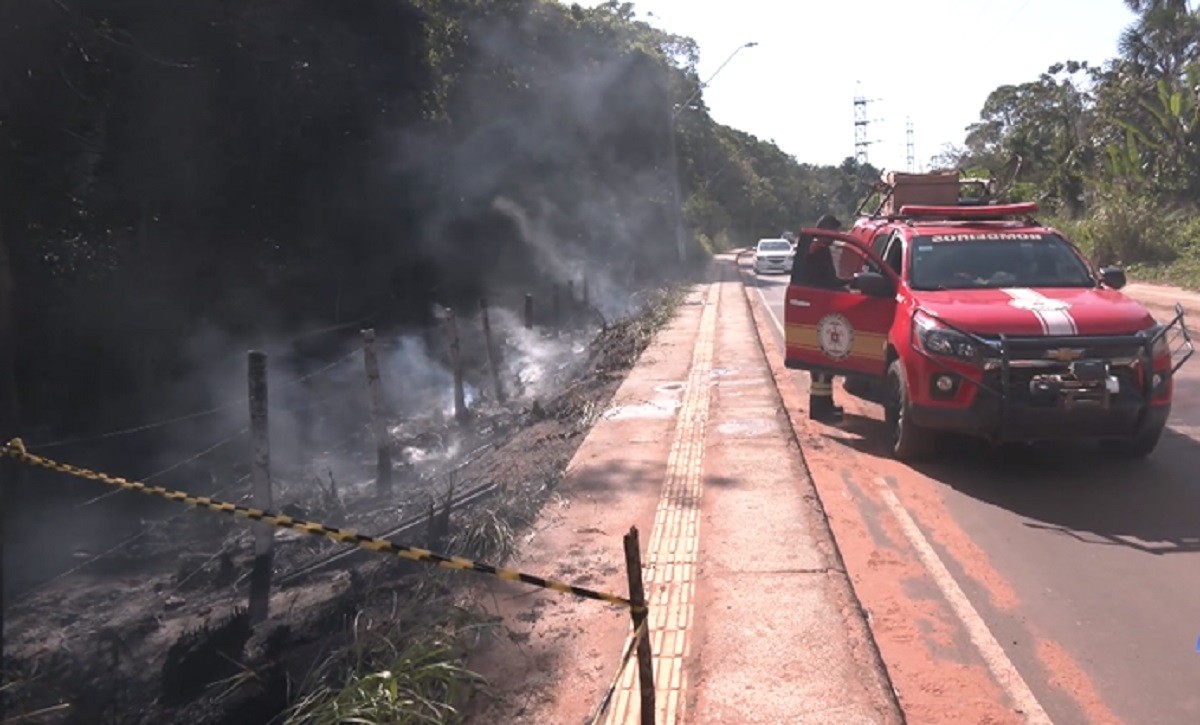
Santarém, Pará, is experiencing a significant increase in vegetation fires, with 30 incidents recorded between January and July of this year. This figure represents a 233.3% rise compared to the same period last year, when only nine fires were reported. The surge in incidents, occurring even before the official start of the Amazonian summer, has prompted authorities to heighten monitoring and control efforts. Most of these fires are concentrated in the peripheral neighborhoods of Santarém, where burning is still commonly used for land clearing and preparation. Sergeant Júlio César Galúcio of the Fire Department noted that fire statistics began to climb with the onset of warmer weather, with a notable increase observed in the current month, following a period with zero vegetation fire occurrences until June. While the fires have largely remained in open areas and have not significantly spread into forests, the Fire Department is preparing for a potential intensification during the dry season. To bolster response capabilities, 118 new military personnel are undergoing training to assist in forest fire operations. The Municipal Secretariat of Environment (Semma) is also actively monitoring the situation, using satellite imagery to identify high-risk areas and implement preventive measures. The forecast of a more intense El Niño phenomenon this year further elevates the risk of widespread fires. Semma is conducting daily satellite monitoring to predict potential fire hotspots and prepare for future events. Alongside monitoring, educational campaigns are being intensified to raise public awareness about the dangers and legal consequences of setting fires. While education is the primary approach, legal mechanisms are in place to hold offenders accountable administratively and criminally. Authorities urge the public to refrain from any burning activities and to immediately report any fire outbreaks to the Fire Department to mitigate environmental damage and protect both urban and forest areas.
The sharp increase in vegetation fires in Santarém, particularly in peripheral areas, highlights a persistent challenge in balancing land management practices with environmental protection. The reliance on burning for land clearing, exacerbated by warmer temperatures and the anticipated El Niño, points to systemic issues in urban planning and resource management. While authorities are enhancing monitoring and educational outreach, the underlying incentive structures that favor traditional burning methods need to be addressed. Future strategies should focus on developing and promoting sustainable alternatives for land preparation, alongside robust enforcement of environmental regulations. Proactive engagement with communities to understand and mitigate the drivers of these fires, rather than solely reactive measures, will be crucial in preventing larger-scale ecological damage during the upcoming dry season and beyond.
AI-generated to prompt reflection — not editorial opinion, not advice, not a statement of fact. How this works.