Santarém suspends docking rules at river terminal due to severe drought
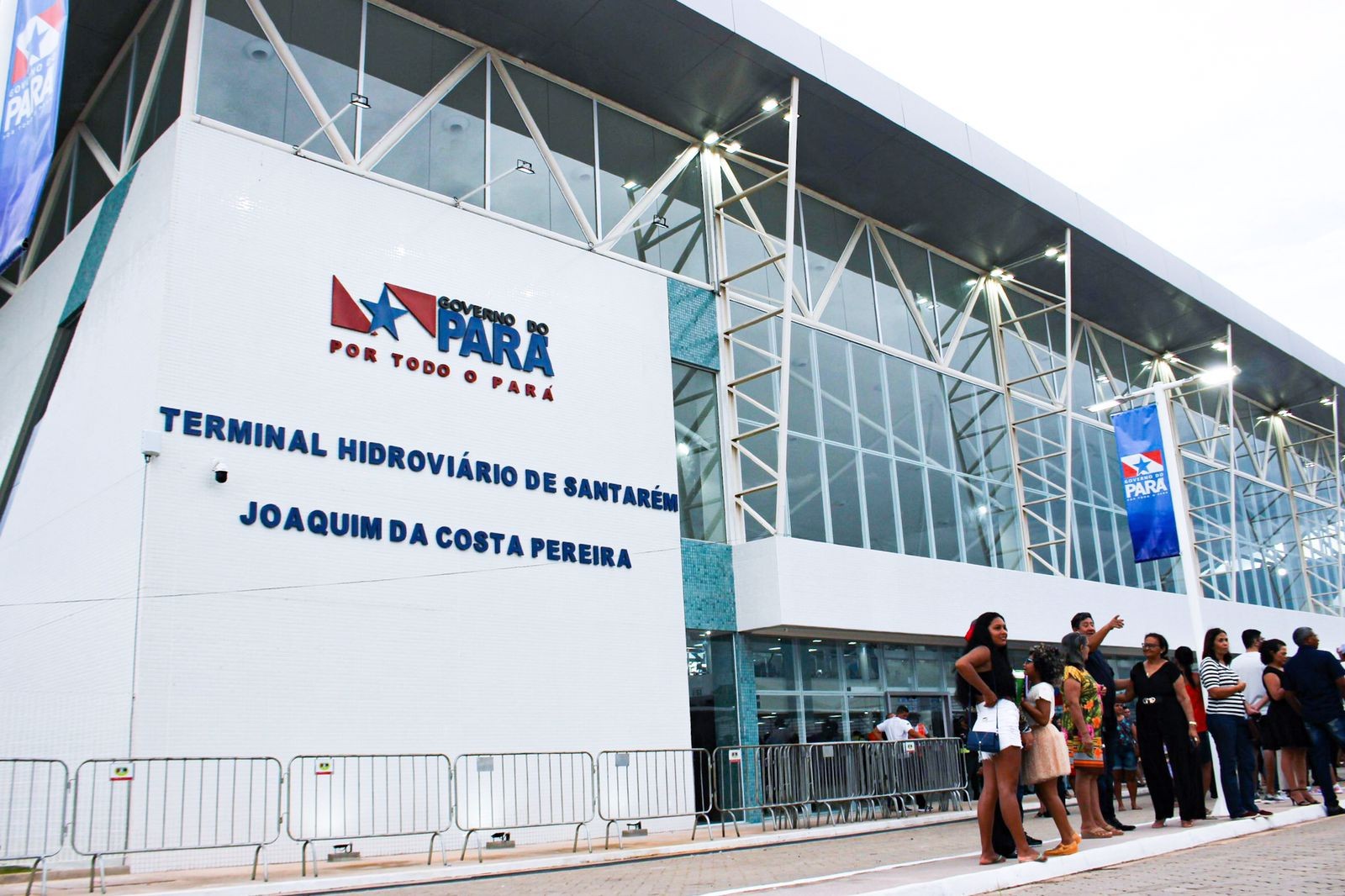
The Municipality of Santarém, in western Pará, Brazil, has temporarily suspended docking regulations at its Hydrographic Terminal due to an anticipated severe drought. This measure, formalized by Portaria nº 13/2026 from the Municipal Secretariat of Ports and Water Transport (Sempta), will remain in effect until January 31, 2027, or until navigability conditions improve. The suspension exempts the application of Portaria Interna nº 05/2025, which previously governed vessel organization at the terminal from December to July. Municipal Secretary of Ports, João Paiva, stated the decision is a preventative measure to avoid structural damage to the terminal, similar to issues experienced in 2024 when low water levels caused modules to rest on sand, leading to cracks and requiring repairs. During this period, the terminal's concessionaire will have the autonomy to manage dockings based on operational conditions and berth availability, while adhering to navigation safety standards. The planned maintenance involves removing sand and sediment accumulated in the riverbed during the rainy season, which impedes operations during low water periods, rather than dredging. Sempta also faces challenges from an increased number of ferryboats operating in Santarém compared to 2024. The municipality is seeking federal government approval to use the IP4 area, managed by the National Department of Transport Infrastructure (DNIT), to expand operational capacity. Some passenger operations may be relocated to the retroport area, which lacks the full amenities of the main terminal, though the municipality is working with the concessionaire to minimize user impact. The original docking rules will automatically resume effect after the drought period or the expiration of the current decree.
The municipality's proactive suspension of docking rules addresses the systemic challenge of managing river infrastructure amidst predictable seasonal climate variations, specifically drought. By prioritizing structural maintenance and operational flexibility, Santarém aims to mitigate economic losses and disruptions to essential transport and supply chains, learning from past damages. The request for federal land allocation highlights the intergovernmental coordination required for effective regional infrastructure management. This situation underscores the growing need for adaptive governance models in regions heavily reliant on fluvial transport, especially as climate change intensifies such environmental volatilities. Future planning may benefit from exploring long-term solutions for terminal resilience and diversified transport options beyond current dependencies.
AI-generated to prompt reflection — not editorial opinion, not advice, not a statement of fact. How this works.