Santarém to Host National Archaeology Meeting July 26 - August 1, 2026
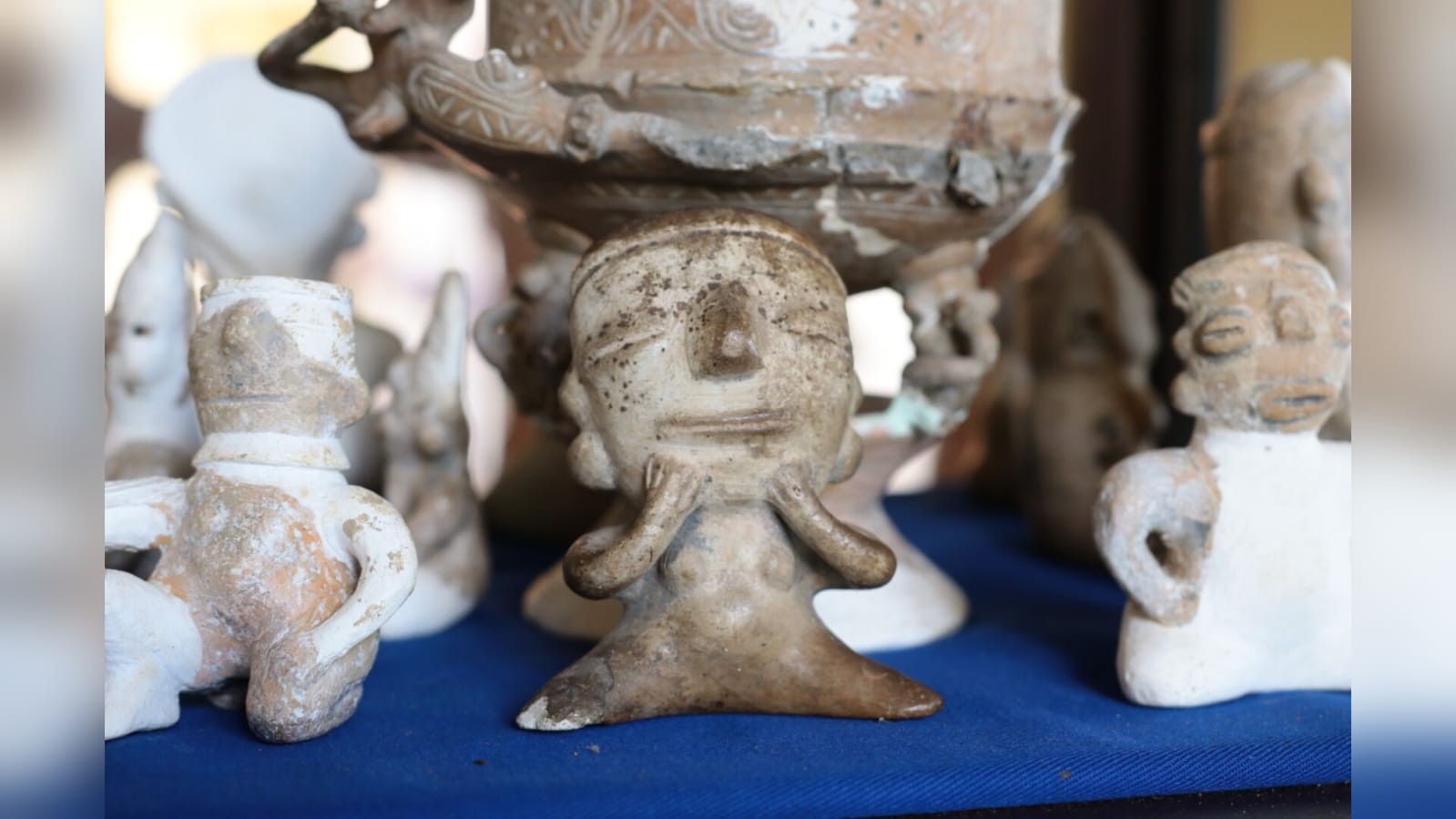
Santarém, located in western Pará, Brazil, will be the host city for the VI Regional Meeting of the Brazilian Society of Archaeology - North (VI SAB Norte) from July 26 to August 1, 2026. The event, themed "Archaeology in the cradle of diversity," aims to transform the city into a significant hub for archaeological discussions. Registration for general attendees remains open until July 27. The Federal University of the West of Pará (Ufopa) is organizing the national event, with scientific collaboration from the Federal University of Pará (UFPA) and the Emílio Goeldi Museum (MPEG). The congress intends to explore the Amazon's long history of human settlement and address the challenges in preserving its archaeological heritage. It will bring together indigenous leaders, traditional community representatives, students, and researchers from various institutions. Free online registration for the public is available through the Even3 platform, and pre-registration as an attendee is required for certificate issuance. The week-long program will feature exhibitions, panel discussions, oral presentations, and audiovisual launches. Key activities include a welcome reception on July 26, opening ceremonies and debates on Amazonian heritage management on July 27, and discussions on education and preservation on July 28. The schedule also includes special lectures on archaeobotany and indigenous archaeology, a general meeting of SAB Norte, and cultural programming on July 30. The event will conclude on August 1 with a guided technical visit to archaeological sites in Monte Alegre and a practical ceramics workshop.
This event highlights the growing recognition of the Amazon region's deep historical significance and the need for systematic preservation of its archaeological heritage. The convergence of indigenous leaders, traditional communities, students, and researchers signifies a move towards more inclusive and collaborative approaches in archaeology, acknowledging diverse knowledge systems. The focus on challenges in heritage preservation and the integration of various academic disciplines, from archaeobotany to collaborative archaeology, suggests an evolving understanding of the complexities involved. Looking ahead, the success of such initiatives will depend on sustained institutional support and the effective translation of academic discussions into actionable public policy for heritage protection in the face of ongoing development pressures in the Amazon.
AI-generated to prompt reflection — not editorial opinion, not advice, not a statement of fact. How this works.