Santi Cazorla Retires from Football After Injury-Plagued Career
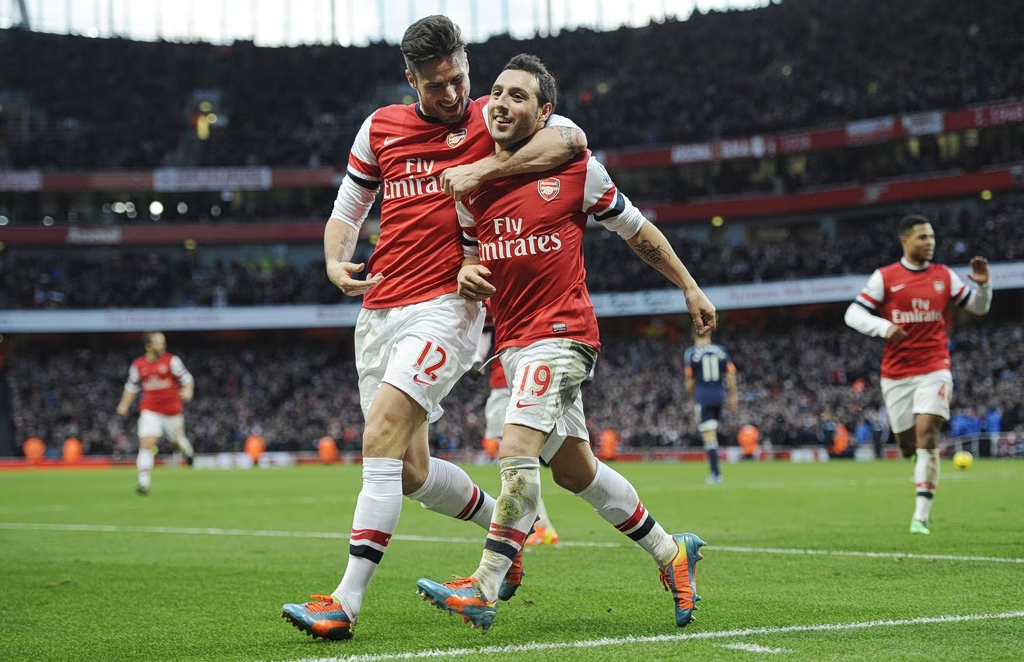
Spanish midfielder Santi Cazorla announced his retirement from professional football on Thursday, July 2nd. The 41-year-old concluded a distinguished yet injury-plagued career with this decision. Cazorla shared his retirement news through a touching video, marking a definitive end to his time on the field. Throughout his career, Cazorla played for several prominent clubs, including Villarreal, Recreativo de Huelva, Malaga, Arsenal, and Al-Sadd. He also represented the Spanish national team, earning 81 caps and scoring 15 goals. His time at Arsenal, from 2012 to 2018, was particularly memorable, where he became a fan favorite for his skill and creativity. However, his tenure in England was significantly hampered by persistent Achilles tendon injuries, which led to multiple surgeries and extended periods on the sidelines. Despite these setbacks, Cazorla demonstrated remarkable resilience and determination to return to playing at a high level. After leaving Arsenal, he returned to his native Spain to play for Villarreal, where he enjoyed a resurgence in form before his eventual retirement.
Santi Cazorla's retirement marks the end of a career defined by exceptional talent and significant physical adversity. His journey highlights the precarious balance between athletic performance and the cumulative toll of injuries, particularly in high-impact professional sports. The narrative underscores the importance of robust player welfare programs and advanced sports medicine in mitigating long-term physical consequences. As football continues to evolve with increased physical demands, Cazorla's experience serves as a case study for athlete longevity and the systemic challenges faced by players navigating chronic health issues within competitive environments. His decision prompts reflection on how sports organizations can better support athletes through injury rehabilitation and career transitions, ensuring their well-being beyond their playing days.
AI-generated to prompt reflection — not editorial opinion, not advice, not a statement of fact. How this works.