Santiago's Infrastructure Withstands Record Rainfall After Years of Investment
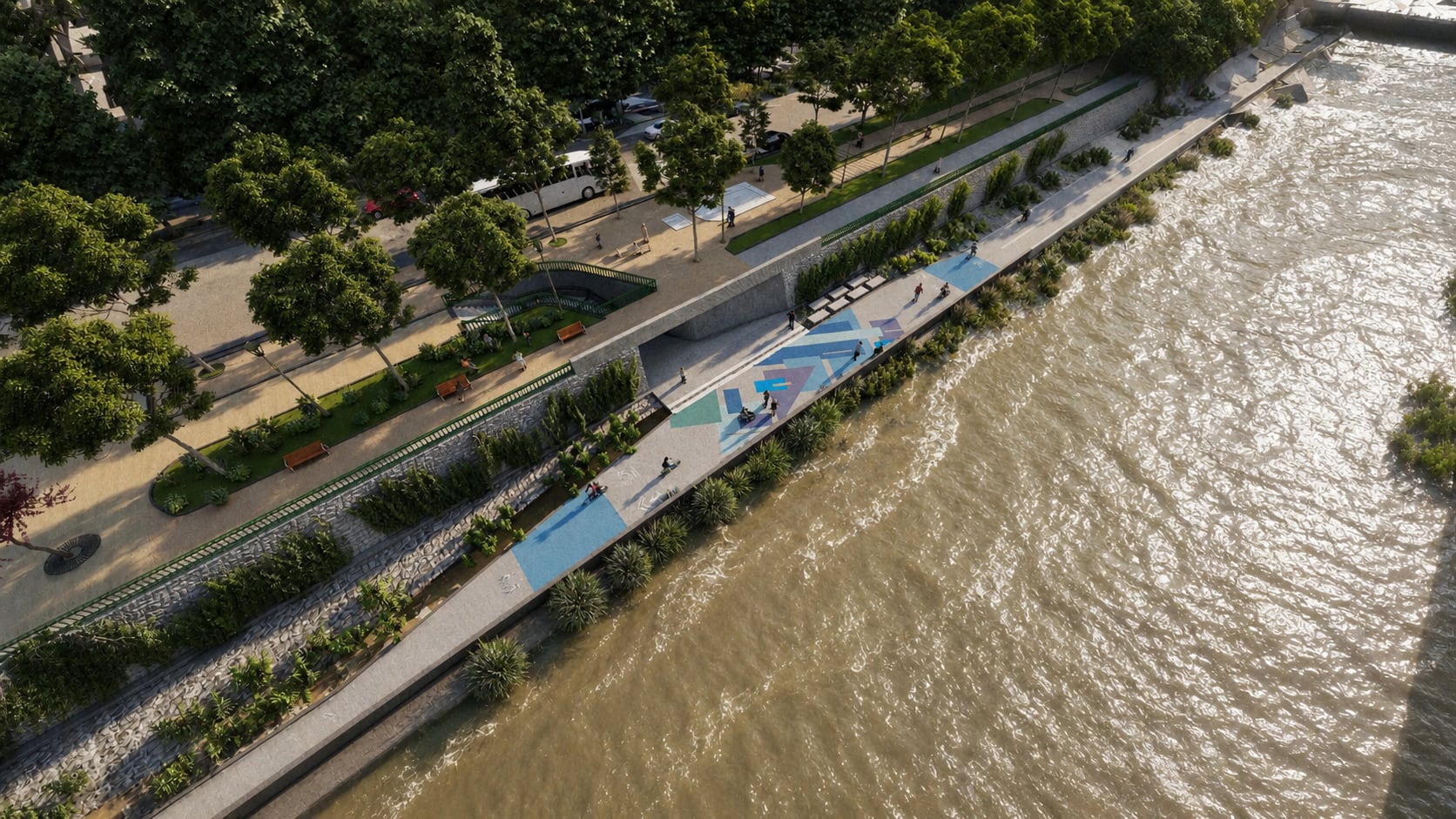
Santiago, Chile, has successfully navigated its most intense rainfall in over two decades, a feat attributed by experts and authorities to significant preventative infrastructure work. This contrasts sharply with the outcomes of previous winters, where similar weather events caused considerable disruption. Key infrastructure, including the Mapocho River, the San Carlos Canal, and Víctor Jara Park, demonstrated resilience, indicating a successful adaptation to extreme weather conditions. The recent storm, described as the most severe in 20 years, tested the capital's preparedness extensively. The positive outcome suggests that investments in water management and urban resilience have begun to yield tangible results. Authorities have highlighted the importance of ongoing maintenance and further upgrades to ensure continued protection against future extreme weather events. This success serves as a benchmark for urban planning in regions susceptible to climate change impacts. The city's ability to withstand the deluge without widespread damage points to effective long-term strategies in infrastructure development and disaster risk reduction.
The successful management of Santiago's recent extreme rainfall event highlights the efficacy of proactive infrastructure investment in urban resilience. This outcome suggests a potential paradigm shift in how cities approach climate adaptation, moving from reactive disaster response to strategic, long-term preventative measures. The contrast with previous years underscores the importance of sustained capital allocation towards water management systems and flood control. Looking ahead, the challenge will be to maintain this level of investment and adapt infrastructure to potentially escalating weather severity driven by climate change, ensuring that past successes do not become obsolete. This event offers a valuable case study for other metropolitan areas facing similar environmental pressures, demonstrating that strategic foresight in infrastructure can mitigate significant economic and social disruption.
AI-generated to prompt reflection — not editorial opinion, not advice, not a statement of fact. How this works.