Santos Condominium Water Contaminated by Sewage; Residents Advised Not to Use
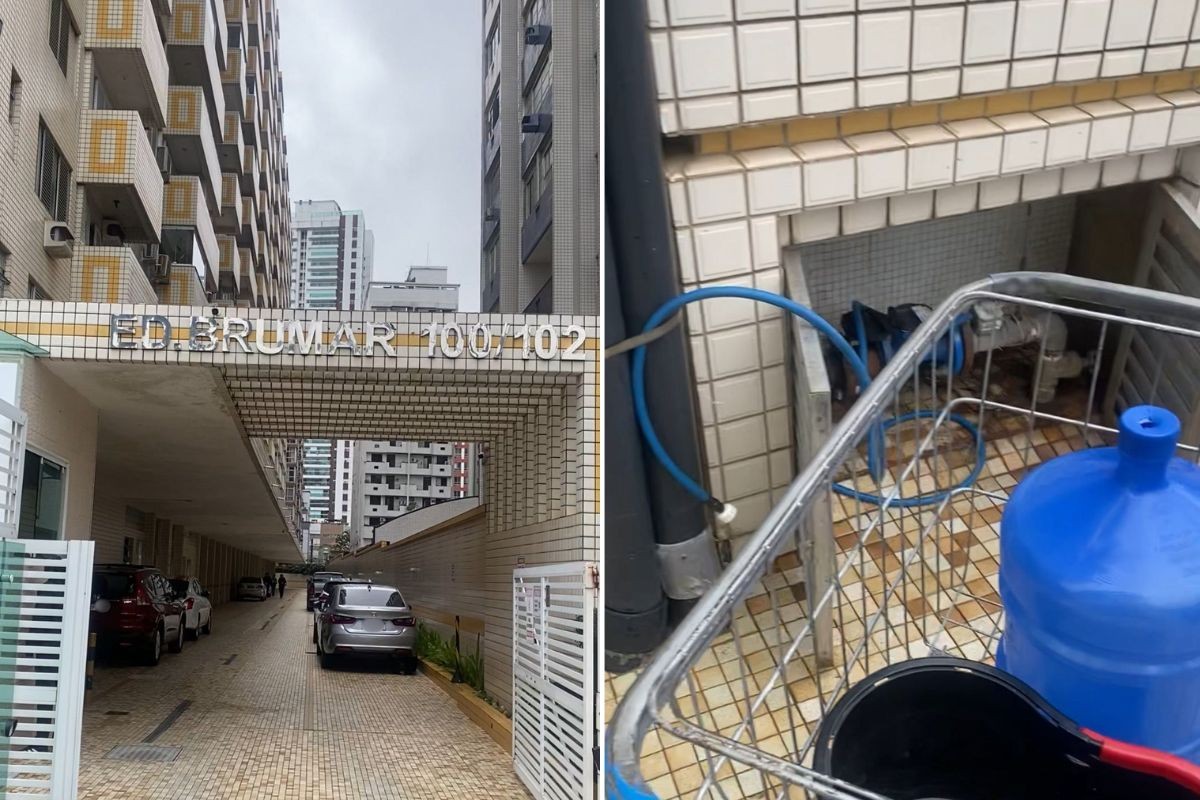
Residents of the Edifício Brumar condominium in Santos, on the coast of São Paulo, have been instructed to avoid using internal water supplies due to sewage contamination in the building's water tanks. The issue came to light on Saturday, November 4th, when the condominium administration notified residents. According to one resident, over 20 people have experienced vomiting and diarrhea, leading to a shortage of potable water for daily needs like bathing and cooking. The condominium is reportedly purchasing bottled water, with normalization expected by Friday, November 10th. Internal communications revealed that the building's older, deeper sewage pipes may be contributing to drainage issues, potentially directing regional sewage into the condominium's system. A structural flaw, specifically an un-waterproofed area housing pumps and tanks, is believed to have allowed sewage to contaminate stored potable water over time. The Santos Health Secretariat confirmed that the Sanitary Vigilance department inspected the site on Monday, November 6th, and issued a formal notice to the condominium. The condominium has been ordered to provide a new water tank cleaning and disinfection certificate and a report confirming water potability, alongside necessary repairs to damaged reservoirs. Sabesp, the water utility, stated that the contamination stems from internal plumbing and sanitation issues within the building, which are the responsibility of the condominium management. Sabesp claims to have found no irregularities in its own water supply and has provided technical guidance to the condominium.
This incident highlights critical infrastructure vulnerabilities within older urban developments and the complex interplay between public utilities and private property maintenance. The contamination underscores the potential for systemic failures when aging building infrastructure, particularly sewage and water systems, is not adequately maintained or upgraded to current standards. The Sanitary Vigilance's intervention and Sabesp's clarification point to a need for clearer regulatory frameworks and enforcement mechanisms that ensure building owners are accountable for maintaining safe internal water systems, especially in densely populated areas. Future urban planning and retrofitting initiatives must prioritize the integration and resilience of both public and private utility networks to prevent such public health risks.
AI-generated to prompt reflection — not editorial opinion, not advice, not a statement of fact. How this works.