Santos Introduces Pix QR Code Payments for Blue Zone Parking
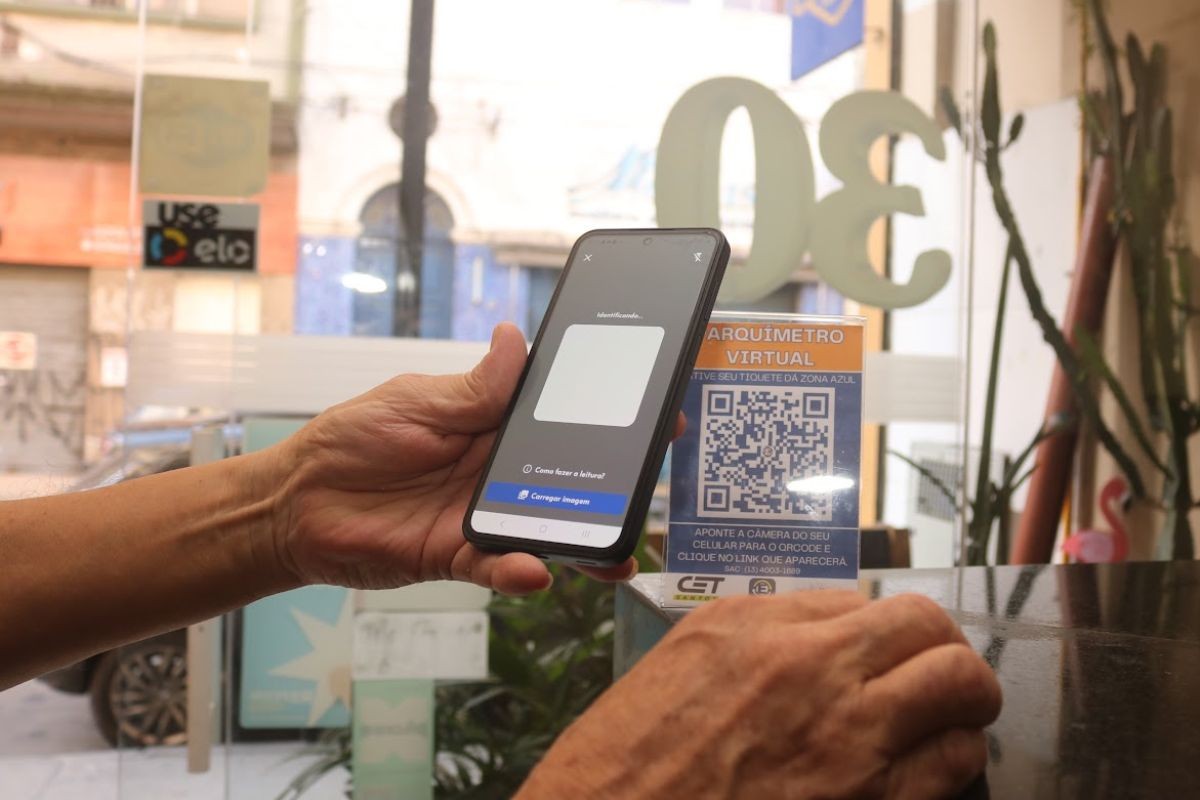
The Municipality of Santos, located on the coast of São Paulo, Brazil, has launched a new system allowing drivers to pay for "Zona Azul" (Blue Zone) parking using Pix via QR Codes. This initiative aims to simplify access to the regulated parking service for motorists. The new method eliminates the need for drivers to register or install any applications. By scanning the QR code, drivers can input their vehicle's license plate, select their desired parking duration or credit amount, and complete the payment. The QR Codes were initially placed on Blue Zone signage in December 2025 and are now also available at approximately 20 businesses near parking areas. Drivers can also activate electronic credits through the official "Zona Azul Santos" app, via WhatsApp at (81) 4003-1476, at designated points of sale, and through the Sem Parar system. The Blue Zone system encompasses 1,595 parking spaces across the city's central region and the neighborhoods of Gonzaga, Boqueirão, Vila Mathias, and Ponta da Praia. Parking rates are set at R$1.73 for 30 minutes, R$3.45 for 60 minutes, R$5.18 for 90 minutes, and R$6.90 for the maximum duration of 120 minutes.
The implementation of Pix QR Code payments for Santos' Blue Zone parking service represents a strategic adoption of Brazil's instant payment system to enhance user convenience and potentially increase compliance. By removing app installation and registration barriers, the municipality aims to streamline the payment process, which could lead to more efficient use of parking spaces and improved revenue collection. This move aligns with broader trends in digital transformation and financial inclusion, leveraging readily available mobile technology. The expansion of payment options, including WhatsApp and point-of-sale terminals, further broadens accessibility. Future considerations might involve analyzing the impact on parking turnover rates and the potential for integrating this payment method with other municipal services to create a more cohesive digital citizen experience.
AI-generated to prompt reflection — not editorial opinion, not advice, not a statement of fact. How this works.