Santos Launches Polio Booster Vaccine Campaign for Children Under 5
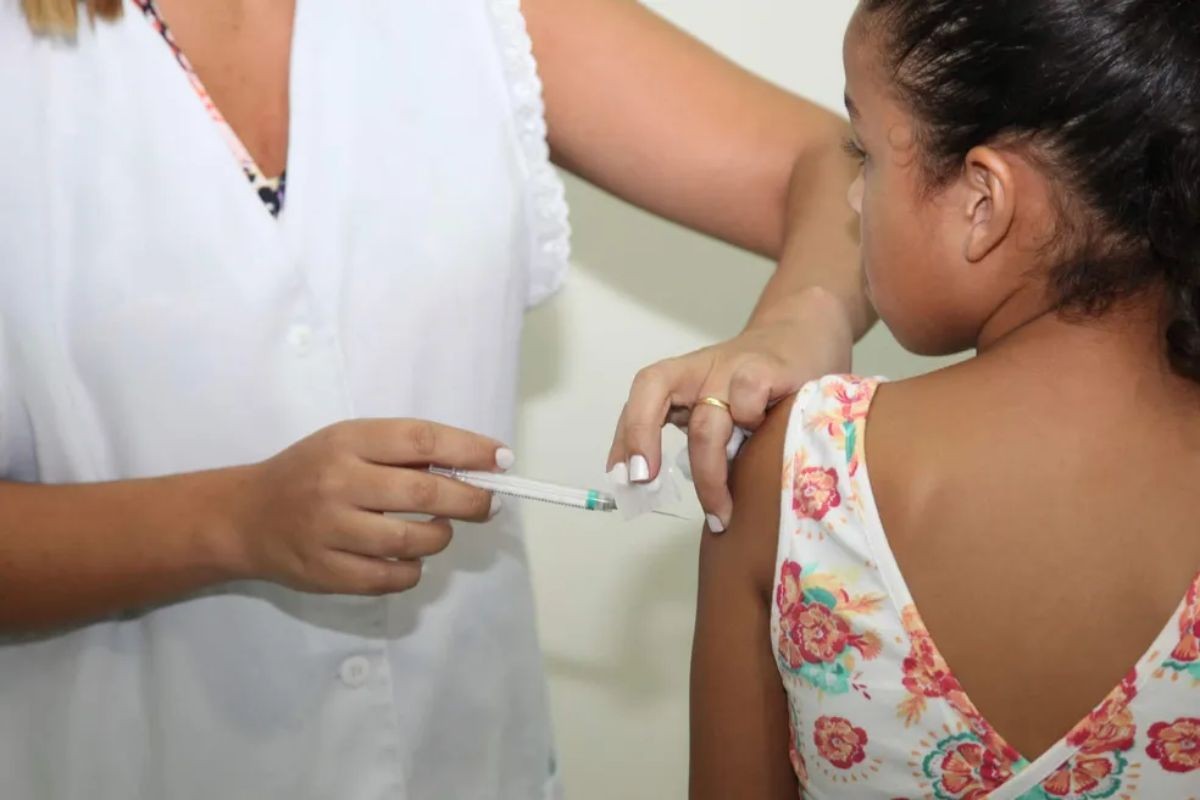
The municipality of Santos, located on the coast of São Paulo, Brazil, has begun administering a booster dose of the polio vaccine to children up to four years, eleven months, and twenty-nine days old. This vaccination effort commenced on Monday, June 3rd, and will be available at all of the city's polyclinics from Monday to Friday, between 9 AM and 4 PM. The municipal government stated that this dose will be permanently offered to residents. To receive the vaccine, guardians must present the child's identification and vaccination records, along with their own identification. Since November 2024, protection against polio in Santos has been provided by the inactivated polio vaccine (VIP), with the standard schedule including doses at 2, 4, and 6 months, followed by a booster at 15 months. With the recent update to the National Vaccination Calendar for polio, children turning four years old are now also eligible for this booster. Santos aims to immunize approximately 3,941 children under the age of five. Additionally, the city continues to offer measles vaccinations. The measles vaccine (MMR) is given at 12 months, with a second dose of the MMRV vaccine at 15 months. Individuals aged 5 to 29 require two doses, while those aged 30 to 59 need at least one dose.
The municipal government of Santos is implementing a proactive public health strategy by offering a polio booster vaccine to young children. This initiative aligns with global efforts to eradicate poliomyelitis and protect vulnerable populations. The permanent availability of the vaccine and the inclusion of a broader age group reflect a commitment to maintaining high immunization coverage. The concurrent availability of measles vaccines further underscores the city's comprehensive approach to childhood disease prevention. In the context of evolving public health challenges and the increasing importance of robust vaccination programs, such campaigns are critical for safeguarding community health against preventable diseases and ensuring long-term population well-being.
AI-generated to prompt reflection — not editorial opinion, not advice, not a statement of fact. How this works.